
6 Ways a Tidy Home Can Support Your Mental Health and Overall Well-Being
Inside: Discover six ways a tidy home can support your mental health and improve your overall well-being.
A guest post by Chloe Powell
May is Mental Health Awareness Month, making it the perfect time to slow down and check in with yourself.
When life feels overwhelming, your home environment can either add to your stress or help you feel more grounded.
When you’re managing work, family life, schedules, and endless responsibilities, it’s easy for clutter and mess to pile up.
However, your surroundings affect more than just how your home looks. They can influence your mood, energy levels, focus, and even how well you rest.
While there’s no single solution for stress, creating a calm, tidy home is one simple and practical step that can make a meaningful difference.
You don’t need a perfectly spotless house or a magazine-worthy pantry to feel the benefits. Small changes can create a more peaceful atmosphere and help support your mental wellness in realistic, sustainable ways.

6 Ways a Tidy Home Can Support Your Mental Health
Here are six ways a tidy home can support your mental health and overall well-being.
1. A Decluttered Space Can Help Quiet Mental Noise
When your home feels chaotic, your mind often does, too. Piles of laundry, overflowing countertops, scattered toys, and visual clutter can quietly contribute to feelings of stress and overwhelm.
Sometimes, you may not even realize how much your environment is affecting you until you finally clear a space and feel that instant sense of relief.
Physical clutter has a way of competing for your attention all day. Even if you aren’t actively thinking about the mess, your brain is still processing it in the background.
Sometimes, the things contributing to stress aren’t immediately obvious until you take a closer look at the environment around you.
That’s why simplifying even one area of your home, like your kitchen island, bathroom counter, or entryway, can help you feel calmer almost immediately.
Start by clearing one type of item or surface each day, creating a donation box for unused items, and putting things back where they belong before bed. Most importantly, focus on progress instead of perfection.
A tidy simplified home is about creating spaces that feel lighter, easier to manage, and more supportive of your daily life.
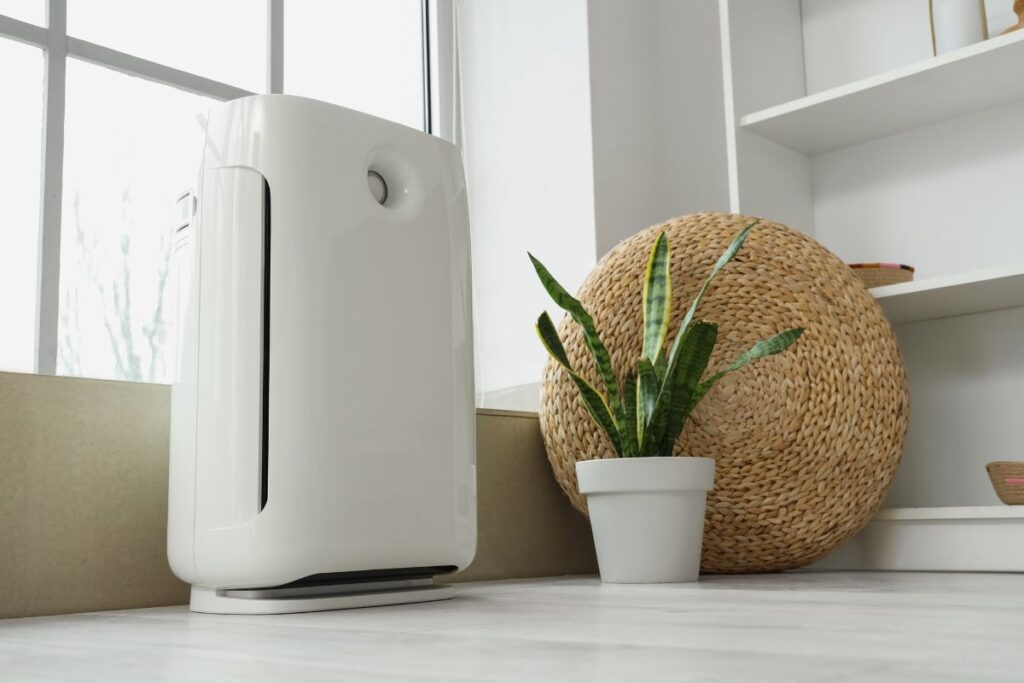
2. Cleaner Air Can Help You Feel Better Overall
Your home environment affects more than your stress levels. Air quality matters, too. Dust, pet dander, mold, and seasonal allergens can build up indoors and impact how you feel physically and mentally.
When you’re constantly dealing with allergy symptoms, fatigue, headaches, or poor sleep, it becomes much harder to feel emotionally balanced.
Using an air purifier with a HEPA filter can help reduce pollen, dust, bacteria, and mold in your home. HEPA filters are designed to remove at least 99.97% of tiny airborne particles, helping create a cleaner indoor environment.
Pairing that with regular cleaning habits, such as vacuuming, washing bedding, and reducing dust buildup, can help create a fresher, healthier environment.
There’s also growing awareness around the connection between allergies and emotional well-being. People dealing with allergy-related conditions may be more likely to experience challenges like anxiety, depression, or obsessive-compulsive symptoms as well.
While cleaning won’t solve everything, reducing allergens in your home may help you feel more comfortable, rested, and supported overall.
Simple habits like opening windows when possible, washing bedding regularly, vacuuming rugs and upholstered furniture, and using an air purifier in common spaces can help improve indoor air quality.
A cleaner home often feels easier to breathe in, literally and emotionally.

3. Organized Spaces Can Make Daily Routines Less Stressful
One of the biggest hidden stressors in many homes is constant decision fatigue. When your house feels disorganized, everyday tasks become harder than they need to be.
You spend extra time searching for shoes, locating paperwork, finding lunch containers, or figuring out what to make for dinner.
Those small frustrations add up. The Zencare State of Mental Health Report 2025 revealed a 40% increase in searches for stress management therapy, with many people actively seeking support around setting boundaries and building healthier coping strategies. This reflects a wider need for practical, everyday ways to feel more emotionally steady.
Creating organized systems in your home can make daily life feel smoother and more manageable. It reduces the mental load that many women and moms carry every day.
You don’t need complicated organization systems to make a difference. Simple routines often work best.
Try creating a designated drop zone for keys, backpacks, and mail, and create easy storage systems for kids’ items. Even a small weekly reset routine can help your home feel more manageable.
The goal isn’t to create a perfect home. It’s to create fewer obstacles in your everyday life.
When your environment supports your routines instead of working against them, your stress levels can feel more manageable.
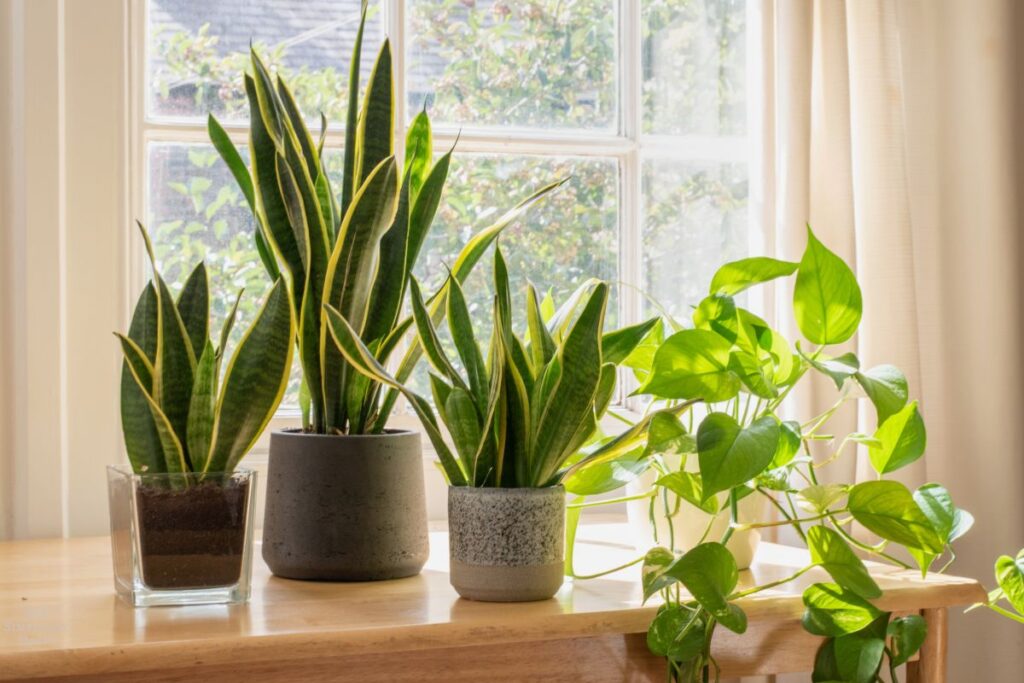
4. Natural Light and Greenery Can Create a Calming Atmosphere
The atmosphere of your home matters. Spaces that feel dark, crowded, or closed off can sometimes leave you feeling drained or unmotivated.
On the other hand, houses that incorporate natural light, plants, and calming design elements often feel more peaceful and uplifting.
Features like plants, natural materials, sunlight, and even air-purifying elements have become increasingly popular because they help create a sense of comfort and balance at home.
You don’t need a full renovation to bring these elements into your space. Simple changes like opening curtains during the day, adding a few indoor plants, using lighter-colored decor, or creating a cozy reading corner can make your home feel calmer and more restorative.
Even small touches of nature can help your home feel softer and more restorative. If you spend a lot of time indoors, especially while working remotely or managing home responsibilities, your environment becomes even more important for your overall well-being.
Spending more time indoors can contribute to mental fatigue when a space feels cluttered, dark, or overstimulating.
Creating a home that feels calming instead of overstimulating can help support your emotional health over time.

5. A Peaceful Bedroom Can Support Better Rest
Mental health and sleep are deeply connected. A bedroom that’s cluttered, overstimulating, or filled with distractions can make it hard to relax at night, which can lead to poor sleep quality.
Tidying up should be considered part of good sleep hygiene practices. A restful environment helps signal to your brain that it’s time to slow down.
Your bedroom doesn’t need to look perfect. The goal is simply to create a space that feels restful and comforting.
Keeping laundry off the floor, reducing clutter on nightstands, using softer lighting, and removing work items from sleeping spaces can help your bedroom feel more restful and relaxing.
Many women spend so much time caring for everyone else that they forget to create restful spaces for themselves. Think of your bedroom as your sanctuary where you can recharge, not just another storage area for unfinished tasks.

6. A Tidy Home Creates More Space for Connection
One overlooked benefit of creating tidy habits and maintaining a tidy home is how it can improve your relationships and daily interactions.
When your house feels calmer and more functional, it’s often easier to enjoy time with your family instead of constantly managing messes.
You may notice yourself feeling less irritable, more present with your children, and more relaxed during everyday routines when your home feels calmer and easier to manage.
A simplified home can also create more room for meaningful moments. Instead of spending your entire evening searching for missing items or stress-cleaning before guests arrive, you may find yourself with more energy for things that truly matter.
That could mean reading with your kids, enjoying family dinners, sipping coffee in a quiet kitchen, or finally giving yourself time to rest.
At its core, decluttering isn’t just about having less stuff. It’s about creating more space for the life you want to live.

Keep It Clean to Stay Calm
Remember that your home doesn’t have to be perfect to support your well-being. Small changes that create a calmer, cleaner, and more functional space can help reduce stress and make everyday life feel a little lighter.

Chloe Powell, Senior Editor at Revivalist Magazine, shares her passion for women’s lifestyle through insights on beauty, wellness, and modern living. She loves having the opportunity to inspire readers to embrace balance, confidence, and self-expression in their everyday lives.
Have you noticed how a tidy home can support mental health and improve your well-being? Share your experience in the comments section below.
Sign up on the form below to get weekly decluttering tips and inspiration sent straight to your inbox. You’ll also get the free 5 Areas to Declutter in 10 Minutes Checklist to help you get started decluttering today.

Thank you, I hadn’t given thought to the impact of allergens even as I’m currently absolutely miserable. Today I deep cleaned my bedroom hoping it would make a difference in night’s rest. My upper respiratory system has refused to acknowledge my efforts. In response I ate dessert, What else is there to do between now and tomorrow when I buy an air purifier?
The idea that even one cleared surface can help quiet mental noise really resonated with me. It feels realistic because a tidy home does not have to mean a perfect home, just a space that feels easier to live in.
I personally notice this most with the entryway. What small area do you think makes the biggest difference when it is kept tidy?
Kitchen counters. When counters are as clear as possible I go to bed excited about preparing the morning coffee. I have a tiny galley kitchen so counters are never completely empty, but oh how I love seeing those free patches of shining black marble.