
12 Common Things Minimalists Don’t Buy During the Summer Season
Inside: things minimalists don’t buy during the summer
Summer has a way of making us believe we need more.
As the weather warms up and the days grow longer, we’re surrounded by messages encouraging us to improve our outdoor spaces, get the ‘must have’ summer gadget, and make the most of the season before it’s gone.
Social media often makes it seem like everyone is enjoying a picture-perfect season filled with new purchases and exciting experiences.
It’s easy to get caught up in the excitement.
After all, there’s nothing wrong with wanting to enjoy summer. The problem is that many of the things marketed as essential for a great season end up becoming clutter once the novelty wears off. What initially feels like a fun purchase can quickly become one more thing to clean, organize, store, and manage.
Minimalists tend to approach summer differently.
Rather than focusing on what they can buy to make the season better, they focus on how they can enjoy the season more fully with what they already have.
They understand that the best parts of summer rarely come from accumulating more things. Instead, they come from slowing down, spending time with people they love, and creating memories that don’t require a shopping trip.
That doesn’t mean minimalists never buy anything during the summer months. It simply means they’re intentional about what they bring into their homes and thoughtful about whether a purchase will genuinely add value to their lives.
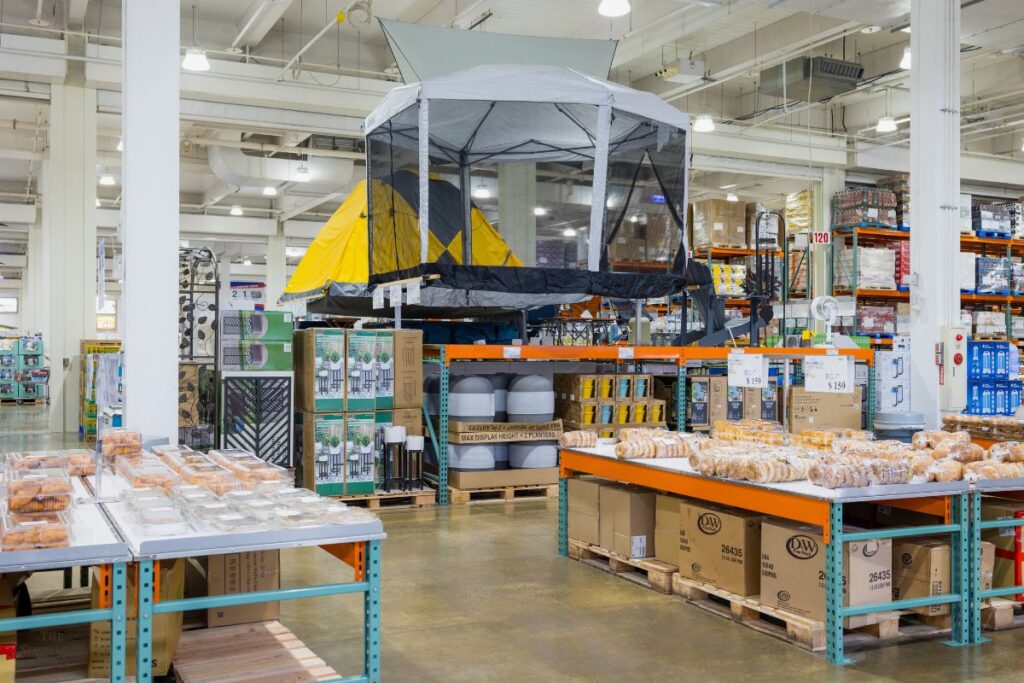
12 Things Minimalists Don’t Buy in the Summer
Minimalists opt to buy and own less stuff. Here are some of the common things minimalists often choose not to buy during the summer and the mindset shifts that help them enjoy the season with less clutter and more freedom.
1. Trendy Seasonal Décor
Every year brings a new wave of seasonal decorating trends.
Summer décor can be cheerful and inviting. From coastal-inspired accents to colorful outdoor decorations, there are plenty of opportunities to give your home a seasonal refresh.
But minimalists pause before filling their carts with items that will only be displayed for a few months.
Instead of purchasing decorations, they look for simple ways to bring the feeling of summer into their homes.
Fresh flowers from the garden, a bowl of seasonal fruit on the kitchen counter, or simply opening the windows to let in sunshine and fresh air can create the same welcoming atmosphere without adding more stuff that they’ll have to store for most of the year.
Sometimes the simplest changes create the biggest impact.

2. Fast-Fashion Vacation Outfits & Trendy Summer Pieces
Summer often comes with vacations, weddings, reunions, and special events.
It’s easy to convince yourself that a new season requires new clothes.
Stores are filled with colorful displays of summer dresses, sandals, swimsuits, and vacation-ready outfits. While there may be occasions when a few additions make sense, minimalists typically avoid rebuilding their wardrobes every summer.
Instead, they focus on versatility.
Before purchasing something new, they often ask:
- Will I wear this after the trip?
- Does it work with the rest of my wardrobe?
- Am I buying this for one event or for everyday life?
Asking these clarifying questions before buying prevent closets from filling with trendy items that looked appealing in the store but rarely get worn. A carefully curated wardrobe is one that gets more use and makes items easier to find.

3. Outdoor Furniture for an Imaginary Lifestyle
Summer has a way of inspiring big dreams.
You might envision yourself hosting weekly backyard gatherings, lounging outside every evening, or enjoying leisurely weekend brunches on the patio.
While those activities certainly sound appealing, minimalists are careful not to buy furniture based solely on an idealized version of life.
Instead, they consider their habits and how they actually spend their time.
If outdoor entertaining isn’t already a regular part of their routine, they may hold off on purchasing additional seating, dining sets, or decorative pieces until they know they’ll truly use them. This approach prevents expensive purchases from becoming oversized clutter that takes up valuable space.
They also take into consideration if the items can withstand the weather and where the items can be stored in the off season. They understand that every piece of furniture requires maintenance, cleaning, storage, and space.

4. Duplicate Outdoor Gear
Many people are surprised by how much outdoor equipment they already own.
Beach chairs, coolers, umbrellas, sports equipment, gardening tools, and picnic supplies often accumulate over the years. When summer arrives, it’s tempting to purchase new versions without checking what you already have.
Minimalists make a habit of taking inventory first to avoid buying unnecessary items.
A quick look through the garage, shed, or storage closet often reveals everything needed to enjoy the season. By using what they already own, they save money and avoid creating unnecessary clutter.

5. Organizing Products They Don’t Actually Need
Summer often feels like the perfect time to tackle long-postponed organizing projects.
The mistake many people make is buying bins, baskets, containers, and labels before they’ve actually decluttered.
Minimalists know that organizing products don’t solve clutter problems. In fact, buying more storage often delays the real issue.
They focus on decluttering first and organizing second.
Once unnecessary items have been removed, it becomes much easier to determine what kind of storage solutions—if any—are actually needed.

6. Hobby Supplies for a Temporary Interest
Summer naturally inspires new interests.
Maybe it’s gardening, paddleboarding, photography, camping, or another activity you’ve always wanted to explore.
Minimalists aren’t opposed to hobbies or trying new things. However, they take a more measured and cautious approach.
Rather than purchasing everything upfront, they often borrow, rent, or start with basic supplies. This allows them to explore the activity without creating a collection of unused things if the hobby ends up not being a fit.

7. Excessive Travel Souvenirs
Vacation memories are valuable, but souvenirs often lose their appeal long after the trip is over.
Many minimalists tend to want to travel light and have discovered that the most meaningful reminders of travel aren’t necessarily found in gift shops.
Instead of bringing home bags full of trinkets, minimalists are more likely to opt for:
- A meaningful keepsake
- A local food item
- A useful product they’ll actually use
- Photos that preserve the memory without adding clutter
Years later, the experiences are what they remember, not the keychains, magnets, or novelty items that ended up in a drawer.

8. Seasonal Items That Are on Sale
Summer sales can be tempting.
It’s easy to feel like you’re saving money when seasonal items are heavily discounted. But minimalists recognize that a bargain isn’t truly a bargain if the item isn’t needed.
Before purchasing multiples of something simply because it’s on sale, they ask themselves whether they have space for it and whether they’ll realistically use it.
After all, sunscreens expire, and how many swimsuits and pairs of sunglasses does one truly need?
This mindset shift helps prevent clutter from quietly accumulating under the guise of being “prepared.”

9. New Summer Gadgets
Each year seems to bring a new collection of products designed to improve your summer experience.
From specialty drink makers to outdoor cooking accessories and portable gadgets, there is no shortage of things promising convenience and fun.
Minimalists tend to be skeptical of home gadgets that often solve problems they don’t actually have.
Rather than being drawn in by clever marketing, they consider whether the item will truly improve their daily life or simply become another thing to store once summer ends.
While making ice cream at home may be tempting, it’s not a fit for everyone.

10. Things for Their Fantasy Self
One of the most powerful lessons minimalists learn is to stop buying for the person they wish they were and start making decisions based on the person they are today.
Many purchases are inspired by good intentions rather than actual habits.
We buy fitness equipment for workouts we never do, entertaining supplies for parties we never host, and camping gear for trips we never take.
Minimalists try to be honest with themselves about how they currently live. This honesty helps them make purchasing decisions that support their real lives rather than an imagined version of them.

11. Cheap Impulse Purchases & Free Items
Summer clearance sections can feel almost impossible to resist.
When prices are low, it’s easy to justify purchases that otherwise wouldn’t make sense.
Minimalists remind themselves that an item isn’t valuable simply because it’s inexpensive. They avoid making impulsive purchases as they’ve learned they’d often regret them.
They understand that every purchase (and every free item they bring home) carries hidden costs—not just financial costs, but also the cost of storing, cleaning, maintaining, and managing the item over time.
Sometimes the best deal is the one you don’t buy.

12. Things They Hope Will Create Happiness
Perhaps the most important thing minimalists don’t buy during the summer is the idea that happiness can be purchased.
Advertising often sends the message that a better season is just one purchase away. A new patio set, new wardrobe, a new gadget, or a new experience.
But some of the most memorable summer moments are surprisingly simple.
Things like watching a sunset, taking a walk after dinner, spending an afternoon at the park, sharing a meal with family, or reading a good book on the porch.
These moments don’t require much money, but they often become the memories we treasure most.

Choosing Less So You Can Enjoy More
At its heart, minimalism isn’t about deprivation. It’s about making intentional choices that allow you to focus on what matters most.
Summer provides a wonderful opportunity to practice this mindset.
When you’re less focused on buying and accumulating, you create more room for experiences, relationships, and simple pleasures. You spend less time managing possessions and more time enjoying the season itself.
And ultimately, that’s what most of us are looking for anyway. A summer that feels peaceful instead of hectic, meaningful instead of cluttered, and full of memories instead of full of stuff.
As you move through the season, consider pausing before making your next purchase and asking yourself one simple question:
“Will this help me enjoy summer more—or will it simply give me one more thing to manage?”
The answer may help you create a season that feels lighter, calmer, and far more memorable than any shopping trip ever could.
Are you tempted by any of these things that minimalists don’t buy in the summer? Let us know in the comments section below.
Sign up on the form below to get weekly decluttering and simplifying inspiration sent straight to your inbox. You’ll also get the free 8 Quick Wins for Decluttering Worksheet to help you start to simplify your life today.

I always enjoy your posts and you don’t beat around the bush. Your messages are well put together and clear.
Thank you for inspiring some of us ‘baby boomers’ for after raising a family, working full time and now enjoying retirement . It is wonderful to ‘decluttter’ 🙂 All done in a measured, calm way and knowing each shelf, drawer, corner and closet will slowly be seen to. Of course with some old 60’s, 70’s music in the background.
love and peace, Jennifer .’-‘.
Great list! Thank you