The Rise of Cultural Minimalism: Why Younger Generations Want Less
Inside: Discover why a rise in cultural minimalism is happening and how a younger generation are being drawn to having less stuff.
A guest post by Chloe Powell
For years, minimalism has often been associated with decluttered homes, capsule wardrobes, and the idea of owning only what you truly need.
But something broader seems to be happening. For many younger people, the desire for less isn’t simply about having a tidier home—it’s becoming part of how they think about work, spending, technology, and what makes life feel meaningful.
After growing up surrounded by constant advertising, endless choices, and the pressure to keep up, more young adults are beginning to question whether having more actually leads to having a better life. They’re looking for ways to spend more intentionally, reduce unnecessary commitments, and create space for experiences and relationships rather than continually accumulating things.
This doesn’t necessarily mean everyone is embracing traditional minimalism. Instead, a more personal form of simplicity is emerging that focuses less on following a particular aesthetic and more on deciding what is truly worth making room for.
In this post, we’ll explore the rise of cultural minimalism, why younger generations are drawn to living with less, and what this shift can teach all of us about creating a life that feels more intentional and less cluttered.
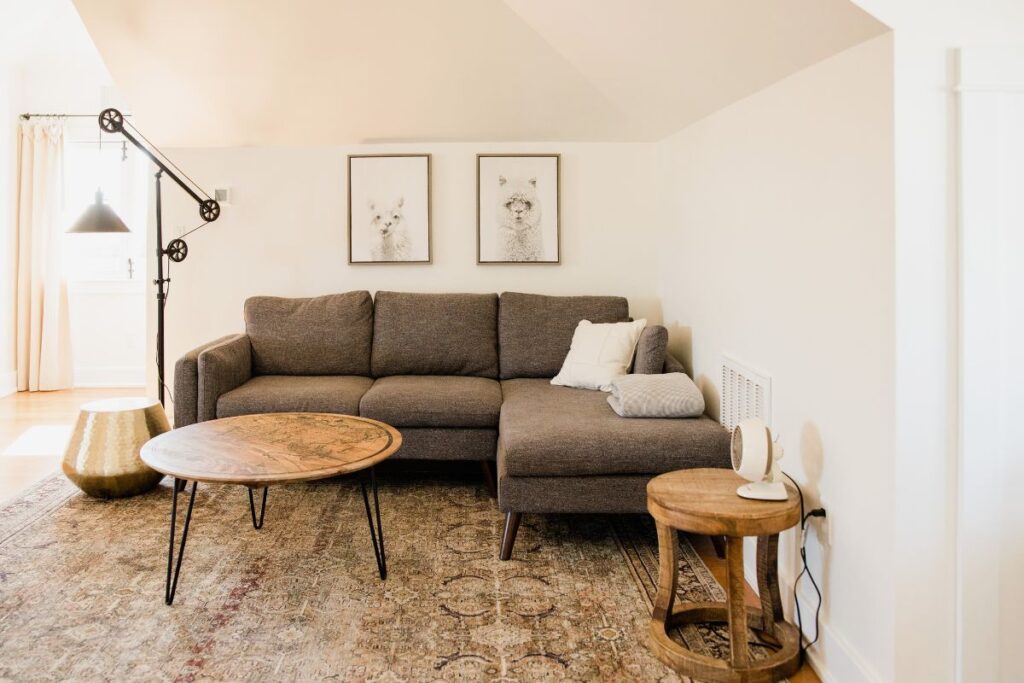
What Cultural Minimalism Actually Looks Like
Cultural minimalism isn’t about living out of a single suitcase or owning three shirts and calling it a day. For most people, embracing minimalism means paying closer attention to what actually earns a spot in your life. You keep the sweater you reach for every week and let go of the one with the tags still attached that you bought three years ago.
This looks different from the consumer culture a lot of people grew up with. Shopping used to feel like a hobby in itself. A trip to the mall on a slow Saturday or a cart full of extras just because they were on sale.
Minimalism flips that script. Instead of buying more to feel better, you’re asking what you can live with less of. Often, finding the answer is freeing rather than restrictive.
Younger shoppers didn’t arrive at this mindset by accident. A mix of rising costs, growing awareness about the impact of overconsumption, and a general craving for less digital and physical noise all pushed this shift into the mainstream.

Cultural Minimalism: Why Younger Generations Are Choosing Less
Money is one of the biggest drivers behind this shift. Young adults grew up in a period marked by rapidly rising inflation. Many have student loan debt. Everyday costs have climbed steadily for years.
As prices climb and trust in constant upgrades wears thin, many younger shoppers are reaching the same conclusion — buying less feels more secure than buying more.
Also, for many younger buyers, every purchase now carries a heavier mental price tag. Fast fashion built an entire industry around cheap, disposable clothing, and the fallout is piling up.
A federal review of the fast fashion industry found that textile waste in the U.S. jumped by more than 50% between 2000 and 2018, and the bulk ended up in landfills. For a generation that grew up watching climate headlines, that level of waste feels personal.
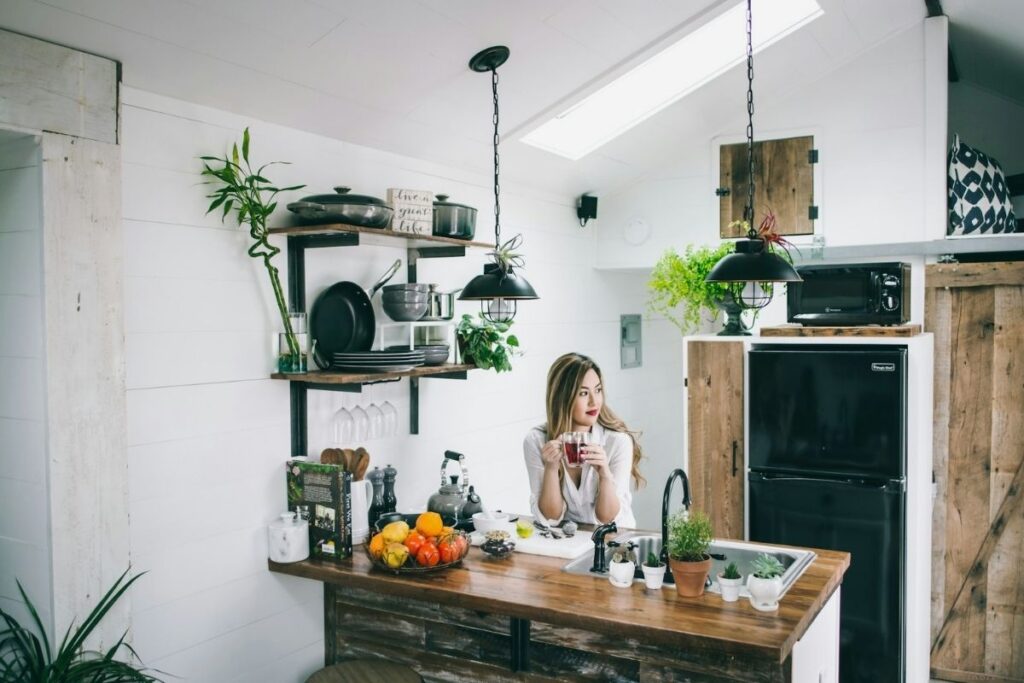
Gen Z Opting to Simplify
Generation Z is known for its idealism. Research shows this generation collectively demands accountability, has a strong sense of purpose, and is politically and socially active. Many young adults have strong values tied to sustainability and justice.
Picture a college sophomore who used to order a new outfit every week for her Instagram photos. After learning where most of those clothes end up, she switched to a five-piece rotation she feels comfortable in, mixing pieces instead of buying new ones.
That’s less about deprivation and more about redirecting money and closet space toward things that actually last.
Social media also plays a role in spreading this thinking, though not in the way it used to. Where platforms once rewarded influencers trying to sell you things while showing the biggest haul or the fullest closet, current trends reward restraint instead.
A mom sharing her weekly grocery run might get more engagement by showing off a well-stocked pantry built on repeat staples than by showing a cart full of one-time impulse buys. The applause has shifted from having the most to needing the least, and that cultural nudge is doing a lot of quiet work behind the scenes.
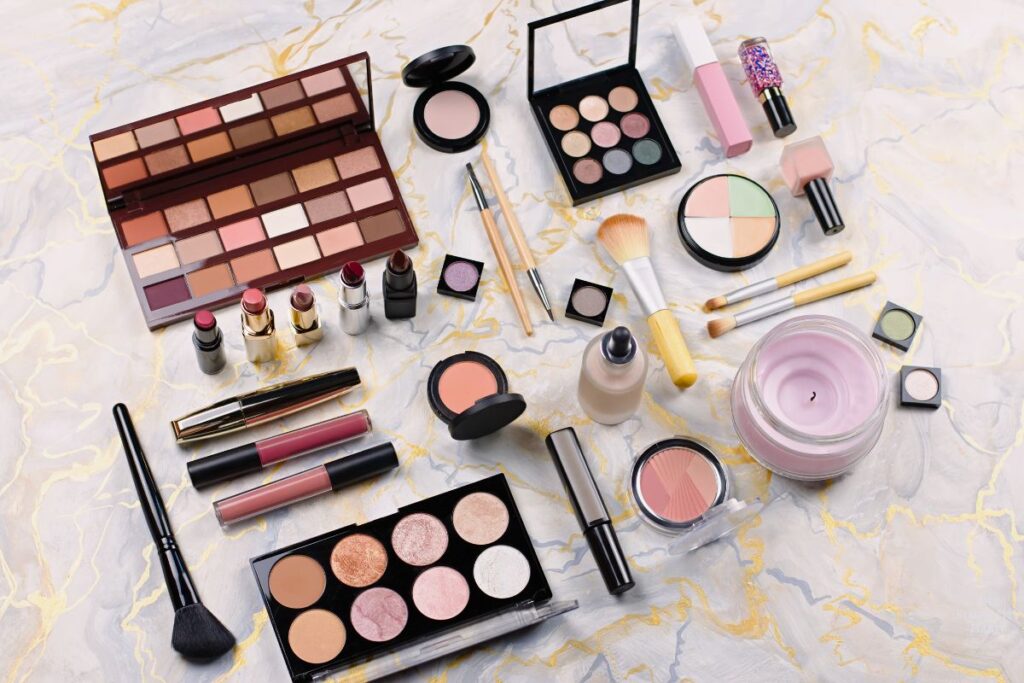
How They’re Practicing Cultural Minimalism: Project Pan and the Rise of Using What You Own
One of the clearest examples of this mindset in action is Project Pan, a challenge that started in the beauty community and spread across social media.
The idea is simple. Instead of buying a new palette, serum, or lipstick every time one catches your eye, you commit to finishing the products you already own before adding anything new to the pile.
Plenty of Gen Z creators have turned this into a running series, posting monthly updates on which blush finally hit pan or which moisturizer is down to its last scoop. What started as a fun content format turned into something bigger — a public accountability system for consumption itself.
Say you have a drawer of half-used skincare. A Project Pan approach means picking three products and committing to using them up before buying replacements, then tracking your progress the same way creators do online.
It turns wanting less into a concrete, trackable goal instead of a vague resolution. This shift in behavior is encouraging people to break free from consumerism and focus more on sustainability.

The Mental and Financial Payoff of Owning Less
There’s real research behind why owning less can feel so good. A 2025 study on home clutter found self-rated clutter levels correlate with lower reported life satisfaction, even when the actual mess isn’t visible to anyone else.
In other words, it’s not about how your space looks to a guest. It’s about how much mental energy that pile on the dresser quietly pulls from you every day.
The financial side works the same way. When you buy less, you naturally spend more deliberately, and that shift tends to ripple into every other part of your budget.
One helpful approach borrowed from personal finance experts is pausing before nonessential purchases and asking whether something genuinely fits your life or just fills a passing urge. That small pause, repeated enough times, adds up to real savings and less regret.
Picture a mom who grabs something new every time she scrolls past a sale notification, only to find herself with a closet full of barely worn pieces and a credit card statement she doesn’t love looking at.
By pausing before checkout to ask whether she’ll still want the item in a week, she reduces her monthly spending noticeably, leaving her feeling more in control of her budget and the stuff in her home.
Minimalism and intentional spending work hand in hand. Owning fewer things means fewer decisions to make, fewer purchases to second-guess, and more room, literally and financially, to spend on what matters to you.

Bringing Cultural Minimalism Into Your Own Home
Starting small keeps this whole approach from feeling overwhelming. Pick one space — a junk drawer, a bathroom cabinet or a bookshelf — and sort through it before moving anywhere else in your home. You’ll likely find duplicates, expired products and items you forgot you owned within the first few minutes.
Interior design has caught onto this shift, too. Instead of stark, empty rooms, more homes are leaning into a softer version of minimalism that still prioritizes keeping only what serves you while layering in texture, color and personal touches.
The goal isn’t an empty house. It’s a home where everything present actually earns its place.
Try tackling one kitchen drawer a week instead of overhauling your entire house in a single weekend. Pull everything out, keep what you use regularly, donate what still has life left in it, and toss or recycle what doesn’t.
Small, repeatable habits like this build the same skill project pan teaches with makeup, just applied to every corner of your life.
This helps you to focus on what matters most while also not leaving a lot of excess stuff behind for the next generation.

Learning to Love the Joy of Just Enough
Cultural minimalism isn’t a trend you need to master overnight. It’s a mindset that grows one drawer, one purchase, and one pause at a time. Start with the space or habit that feels most cluttered right now, whether that’s your closet, your beauty drawer, or your spending. Owning less gives you more room to actually enjoy what you keep.

Chloe Powell, Senior Editor at Revivalist Magazine, shares her passion for women’s lifestyle through insights on beauty, wellness, and modern living. She loves having the opportunity to inspire readers to embrace balance, confidence, and self-expression in their everyday lives.
Have you noticed a shift in cultural minimalism? Share your thoughts in the comments section below.
Sign up on the form below to get weekly decluttering and simplifying inspiration sent straight to your inbox. You’ll also get the free 8 Quick Wins for Decluttering Worksheet to help you start to simplify your life today.
Join the List
Stay up to date & receive the latest posts in your inbox.