15 Common Things Minimalists Don’t Buy or Own (for a Simpler Life)
Inside: Learn common things minimalists don’t buy or own to simplify their lives and homes.
In today’s world, the temptation to buy stuff is everywhere.
If you’re trying to embrace a minimalist lifestyle, it’s important to resist the perceived need those advertisements create.
Instead, prioritize owning the essentials and knowing how to say “no” to the rest.
But how do you know what to indulge in and what to avoid?
While every minimalist has a slightly different vision of what’s truly essential and what isn’t, there are a few common things that most minimalists don’t own.
If you want to live a simpler, more minimalist lifestyle, here are a few guidelines to consider following.

What are some things minimalists don’t buy?
Even though I don’t consider myself a minimalist, I share many of the same values. Minimalism is all about simplicity and the idea that less is more.
By focusing on the things that truly matter and bring joy, and getting rid of the rest, we can live a less cluttered and more fulfilling life.
So, what are minimalists not buying to keep their lives and homes simpler? Here are 15 of them.
1. Minimalists don’t buy knick-knacks and needless decorations.
Some people find joy in decorating every square inch of their space with tchotchkes, knick-knacks, and other bits of home decor.
But minimalists? They would rather avoid the clutter that tends to accumulate when you take a “more is more” approach to home decor.
Instead of covering every shelf and surface with stuff, minimalists take a more thoughtful approach. They may opt for a single vase of fresh flowers instead of an assortment of picture frames and figurines.
And instead of collecting endless seasonal decorations to spice up your space and celebrate every holiday and shift in the weather, they choose to keep things simple, with versatile decor that’ll bring them joy all year long.
By resisting the temptation to excessively decorate, minimalists create a space that embraces calm and tranquility.
An added bonus? It’s much easier to keep things clean and dust-free.

2. Minimalists try to avoid buying fast fashion.
Over the years, fast fashion has become the go-to way to dress for many people.
And in some ways, it’s easy to see why. It’s affordable. It’s accessible. And it makes it relatively easy to keep up with the latest ever-changing trends.
It’s also an easy way to wind up with an overwhelmingly large wardrobe – and contribute needlessly to waste as that fast fashion rips, tears, and falls apart quickly.
Instead, minimalists extend their ‘less is more’ philosophy to their wardrobes and declutter what they no longer wear. They keep well-made, timeless pieces that offer versatility.
Minimalists are selective when buying new pieces. Those looking to save money and increase sustainability often shop at second-hand stores for clothing.
Minimalists opt for quality over quantity.

3. Excessive pairs of shoes.
A 2023 survey found that the average American will own 256 pairs of shoes during their lifetime, at a cost of $14,640 (source).
While various sneakers may be trending, most minimalists opt out of constantly buying new shoes just to change up their style.
Instead, they choose to declutter shoes that no longer fit or that they don’t wear and focus on their favorite pairs.
Does that mean that they don’t care at all about style? No. Again, it’s about focusing on quality over quantity.

4. Minimalists often don’t own physical media.
Many of us grew up in homes filled with physical movies, music, and books. Depending on when you were born, you had stacks of VHS tapes or DVDs.
Records, tapes, or CDs were the only way you could listen to your favorite songs without hoping you’d get lucky and catch them on the radio. And your bookshelves were probably full of books that you’d only read once, collecting dust ever since.
Now? All of that media can be saved and accessed digitally. We no longer need entire pieces of furniture dedicated to storing those CDs and DVDs.
Streaming services allow us to watch our favorite movies and shows and listen to our favorite songs with the touch of a button, and e-readers eliminate the need to keep stacks upon stacks of books around our homes.
And while some people still insist on buying physical media, it’s one thing that minimalists often categorically skip to have less stuff in their homes.

5. Minimalists don’t typically buy single-purpose kitchen gadgets.
There’s a kitchen gadget out there for virtually everything.
Avocado slicers. Apple corers. Garlic presses. The list goes on. For every task and item you can find in your kitchen, someone’s created something specialized that helps you prepare it.
But none of those things are really necessary. You can slice an avocado, core an apple, and mince your garlic with a single, multi-purpose tool – a good kitchen knife. So why buy all of those other things?
Instead of filling their cabinets and drawers with unnecessary kitchen gadgets, minimalists stick to the basics: versatile appliances, sturdy pots and pans, must-have utensils, and just enough dishes.
A minimalist kitchen that’s stocked with the essentials and well-organized makes cooking easier and more enjoyable.

6. Minimalists don’t own many duplicate items.
Sure, you can have more than one of something… but there’s a fine line between ‘just enough’ and ‘way too much.’
Some people like to keep lots of extras on hand – an endless pile of extra towels and dishcloths, six different sheet sets, a box filled with duplicate cords and cables just in case you ever happen to need them someday.
A stack of ten plates in the cupboard, more pairs of jeans than you could wear in a month, four different lotions in the bathroom…the list goes on.
But why?
Instead of owning all that stuff, minimalists prefer to minimize duplicates and focus on owning fewer, higher-quality items – a couple of good bed sheets, enough towels to get through the week, quality dishware, and clothes.
While they could overfill closets and cupboards with extra stuff simply because the space exists, they choose not to because they know they don’t need to.

7. Minimalists don’t buy lots of cleaning supplies.
There’s a product out there that swears it’s designed to clean everything – your stovetop, your kitchen sink, your hardwood floors, your mirrors, your toilets.
But you don’t really need all of that.
Instead of splurging on endless sprays, wipes, and solutions, many minimalists know that you can stick to minimal, versatile products and great cleaning tools to tackle every area in your home.
Once you find what works for you, there is no need to continue trying out the new trendy cleaning products.
Minimalists focus on the essentials and their favorites and don’t constantly feel the need to change things up.

8. Minimalists don’t purchase souvenirs on every vacation.
Minimalists tend to prioritize experiences and traveling to new places rather than acquiring more stuff.
One thing minimalists choose not to do when they go on vacation? Bring home souvenirs.
Minimalist travel focuses on packing light and being present in the moment. Taking pictures is a great way to remember places you have been and people you have spent time with.
But souvenirs? They can end up becoming clutter and are unnecessary baggage.
While taking something home once in a while may be nice, they focus on consumables rather than items that would sit out collecting dust.

9. Minimalists don’t make impulse purchases.
Another thing that minimalists do their best to avoid? They don’t get sucked into impulse purchasing.
Minimalists learn how not to get lured into buying something just because it’s on sale.
They’re intentional with shopping and are careful about what items they choose to bring into their home.
This saves them from experiencing buyer’s remorse often and helps keep clutter at bay while saving money in the process.
Minimalists put practices in place to help them avoid impulse purchases, such as waiting for a predetermined amount of time before deciding whether or not to buy something.

10. Minimalists don’t buy typical gifts.
Minimalists have learned how to be intentional with their purchases and are careful not to add clutter to their homes.
In doing so, they’re also aware when buying gifts that they don’t want to contribute to the clutter in anyone else’s home either.
Because of that, minimalists tend to give clutter-free gifts. They focus on consumable items or experiences that they think the recipient would enjoy.
Minimalists tend to want to receive these types of gifts as well, or may even opt not to exchange gifts during the holidays.
Does that mean they won’t buy you a different gift if that’s what you’ve told them you really want? No, but left to their own devices, people do tend to give the types of gifts that they’d enjoy receiving.
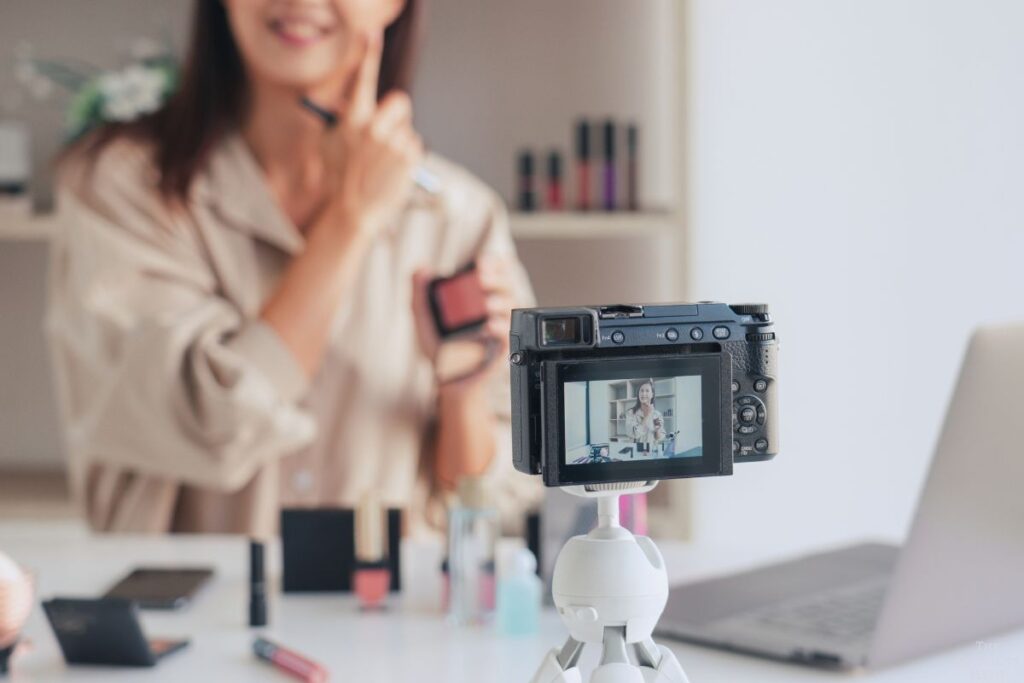
11. Minimalists don’t go overboard with skincare and beauty products.
We live in a social media culture where influencers are constantly trying to sell the latest and greatest skincare and beauty products.
Minimalists avoid getting sucked into continually buying the newest things out there.
Instead, they choose to focus on the products that work for them. While they may try a new product here or there, they tend to focus on clean ingredients and stick to their favorites.
They also don’t continually store products that they tried and didn’t like. Instead, they opt to give them away or throw them in the trash (depending on the product).
This keeps their bathroom from getting cluttered, making it easier to find what they need to get ready in the morning.

12. Minimalists limit one-time use & disposable items.
Another thing minimalists try to significantly limit is one-time use and disposable items. Some of the items in this category include paper towels, napkins, plastic wrap, single-use water bottles, paper plates, and plasticware.
Many minimalists are more eco-conscious and would rather use more sustainable alternatives.
Thankfully, there are a lot of great reusable options available, thereby reducing waste while also decreasing the amount of things that need to be stored in the home.
Opting for fewer one-time use and disposable items not only keeps more trash out of landfills, but it’s also a great way to save more money.

13. Minimalists don’t buy more storage containers.
Since minimalists focus on thoroughly decluttering before organizing, they don’t feel the need to buy many storage containers for all of their things.
They work with what they have first, and if a specialty storage container is warranted, they will purchase it, but it’s with planning and intention.
While it’s easy to get pulled into buying pretty containers rather than getting rid of more stuff, minimalists know that doesn’t solve the real issue.
Minimalists prefer to have fewer items to manage and therefore don’t feel the need for more storage containers, which can end up contributing to clutter.
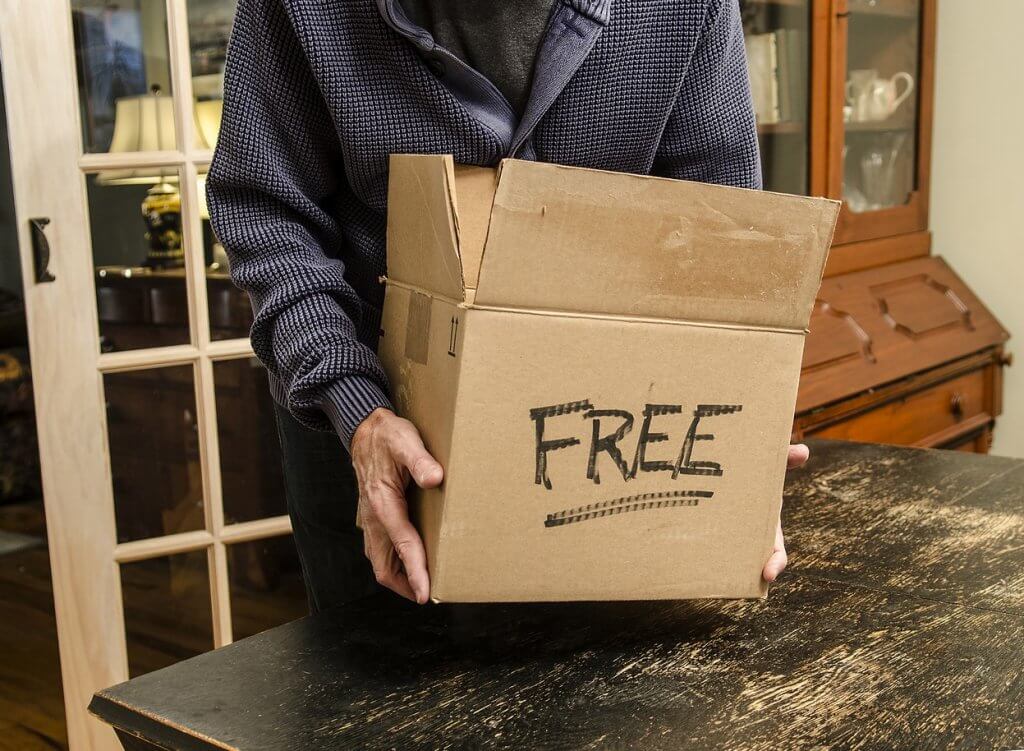
14. Minimalists are careful about accepting free items.
Minimalists realize that every item you add to your space costs you time and energy. Therefore, they are very intentional with what they bring into their homes, even if those items are free.
They know that anything can create clutter and are thoughtful about accepting or picking up free items in their area.
Minimalists may join a local Buy Nothing group, but they tend to focus more on using it to gift items rather than acquire them. For the items they do receive, they ensure that they are something they need and will use first.

15. Minimalists don’t rent storage units.
This may be the most obvious of the things minimalists don’t tend to purchase or own, but it would be a very rare situation for a minimalist to rent a storage unit.
When you’re intentional with the number of belongings you own and ensure that you don’t have too much stuff, the idea of renting an off-site storage unit is not likely to cross your mind.
Not only are they inconvenient, but they can be quite expensive and are typically unnecessary.
There may be a rare circumstance where it makes sense for a short period of time, but you likely won’t find many (if any) minimalists renting a storage unit.

Things I stopped buying
Decluttering was quite a learning experience for me. Through it, I learned how to be more selective with what I purchase.
I stopped buying these 15 things after simplifying our home, as they were creating clutter.
This year, I decided not to purchase these 26 things either because we already had enough or we simply didn’t need them.
Your lists will likely look a bit different from mine, which is completely fine.
The most important thing is to be mindful of what you buy. It will save you money and prevent clutter from accumulating in your home.
What would you add to this list of things minimalists don’t buy? Leave a comment and let me know!
Sign up on the form below to get weekly decluttering tips and inspiration sent straight to your inbox. You’ll also get the free 5 Areas to Declutter in 10 Minutes Checklist to help you get started decluttering today.

I don’t believe in religiously cleaning the inside of toilet bowls.
Why? A useless task.
unhygienic thought Gina.
Remind me not to visit your house, uck!
DISGUSTING IT IS LIKE HAVING A SHOWER NOT CLEANING YOUR FEET
I clean mine as often as 13 times a day!
Wow, really? Does someone else do it then?
Water can and does splash out of toilets, often when flushing. With all the new and old germs and parasites around, PLEASE CLEAN THE INSIDE AND OUTSIDE OF YOUR TOILET!
I assume you are being sarcastic, lol. The stench of urine in a week or two’s time would change your mind quickly😂
I just put bleach in it and flush it but with the lid down to.prevent splashes
Great start. Minimalists don’t have excessive pets or house plants. Maybe one. We do not store large amounts of foods. Usually walk or bike places vs. owning a vehicle, another high maintenance item. Minimalists usually are debt free, spending money only as necessary.
Minimalists don’t buy excess food because decluttering carries over to the refrigerator and pantry.
Well, true minimalists I doubt would take to heart what others determine to be items they do not own or buy…its not a contest nor should it be. I certainly don’t take these articles as my guideline of minimalism.
Based on this article I am physically not a minimalist. I follow your site and find your information useful, I agree I have too much stuff and many things are just taking up space, “less is more” Courtney Carver, love her following her since beginning. I believe it is important to “Be” with others that you aspire to emulate. So, I learn and think differently about things and it is very helpful. I am a work in progress, a slow process but nonetheless I am getting there. One step at a time and plenty of mental decluttering as well. Thank you.
In addition to thjngs you’ve mentioned : Since we live within 10 blocks of our kids in a city with plenty of public transportation, we decided to not to replace their wrecked car. We just all share 1 car. You can imagine the annual savings in insurance and maintenance. I also grocery shop for both households, saving time and money. We’ve bundled both phone plans and wifi to get cheaper rates.
I wholly agree with everything you said.
Except books.
Of course books bought to read on the plane should be trashed at the destination.
But the books that shaped your life should be kept. Novels, philosophy, any books that have stimulated you.
Just occasionally, you will skim the book covers, on your very simple shelves and feel a sense of joy. So much of your life in so little space.
Giles Pegram CBE
tell this to my boomer parents. they refuse to throw away broken items. because of them i am a staunch minimalist. so im a way i than them because i would go crazy if i had a cluttered space like they do.
I am technically a baby boomer, born in 1954, also studied art and worked as a designer, can’t bear any sort of clutter or too much stuff, life is too short to look after it all, and only keep a few important or useful items in each room. Stuff also weighs you down and prevents new ideas and personal growth
I think minimalism is on a sliding scale. I would classify myself as minimalist leaning. My main house is mainly minimal, but I will swap pillows and put out a few decorations for holidays. My closet is a bit packed, but I’ll work on it. Over the years, I’ve made a consistent effort to not buy and leave more and more negative space.
agree completely but don’t preserve fiction books
you TRASH books? why not donate or just leave them for some one else to enjoy?
Absolutely. Books are a treasure which should be shared and so many ways exist to do this efficiently. Many if not most public libraries will recycle or sell your loaned books. Share the wealth. The reading population and our culture at large benefit.
What a fantastic article. The first I think I’ve ever read that accurately maps out what minimalists tend to care about. Great job
I used to be a minimalistic but then I married a packrat family 48 years ago. It took them, (his family), 20 years to gradually change me. Now I have more than ever of especially clothes. I fight it but just can never seem to get rid of all the excess. I grew up wearing garage sale clothes and love to shop for quality new clothes each season. It’s my biggest expense other than going out to eat with my husband twice a week. With our kids and grandkids grown and out of the area it’s what we spend money on. My husband’s a miser but doesn’t care about my spending habits and I don’t use credit so it’s not out of hand he says. He likes me looking nice in public. He bought me a fancy SUV for us traveling and as my new car too. If I didn’t spend the money my husband would wear rags and have alot more money but you can’t take it with you and we do give to charity locally.
Really looking forward to leaving my kids money and a mess for them to clean up like they did us. Lol!
It is okay to be a minimalist, but it is also okay to buy things for yourself. Being happy is key. If you love a knick knack and it makes you happy, what is the big deal? I believe you can be a minimalist or a maximalist and still be an organized, decluttered person. It is all about how you display things and how you store things. My thoughts are- Be who you are and do what makes YOU happy… period!
I have decluttered additional wardrobes, chairs, stools, tables and dressers with mirrors over the 2 years.. now decluttering home decorations – no more Christmas tree. New clothes and bags , books regifted, shoes to Salvation Army ..
I only buy 2-4 rolls of paper towels vs 8, indoor rugs or packs of scrubbers. I make my own rugs and use stainless steel scrubber or brillo pads depending on what I’m cleaning. it feels so good!