
How Clear Organizing Bins Are Actually Creating More Work for You
Inside: Discover how clear organizing bins can cause additional work and not solve storage challenges (and what you can try instead).
A guest post by Rose Morrison
Have you ever bought a set of pretty clear organizing bins, carefully sorted your belongings, and felt like you were finally getting your home in order—only to realize you’re spending more time maintaining the system than you did before?
Clear bins can look like the perfect organizing solution. You can see what’s inside, everything has a designated spot, and your shelves look neat and coordinated.
But sometimes, those containers create more work than they actually save. Between sorting, labeling, rearranging, and keeping everything looking tidy, your organizing system can become another thing you have to manage.
But an organized home doesn’t need to be filled with matching containers to function well. Sometimes, the simplest solution is to own less, store things where you naturally use them, and avoid creating extra steps in your everyday routines.
In this post, we’ll look at how clear organizing bins can actually create more work for you, and what to consider instead if you want a home that’s easier to organize and maintain.
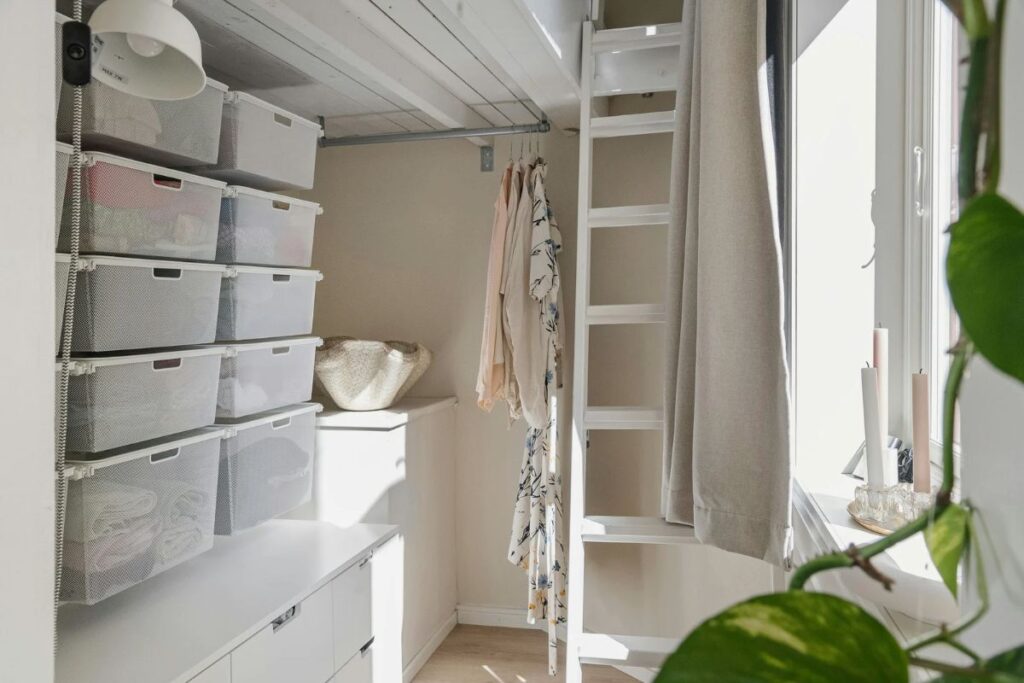
Why More Organizing Products Often Mean More Work
If you want to get your home organized, the first step is to declutter more so that you’re not organizing things you don’t even like or use. After that, consider what organizing approach makes sense to you.
Keep in mind that every organizing product makes a promise. A clear bin helps you see everything. A label gives each item a spot. A drawer divider gives every tool a home. Each promise also comes with a job, and you’re the one who has to keep it going.
Call it the maintenance load: the re-sorting, relabeling, and restacking needed to keep a system looking like it did on day one. When the load is light, the system works in the background. When it’s heavy, it becomes one more chore.
The pull toward these products makes sense. A survey of 501 adults found that people with more cluttered homes reported lower well-being, and part of that link came from their homes feeling less beautiful. Matching bins promise that beauty fast. They rarely mention the upkeep that comes with it.
Clear Organizing Bin Products (& Their Limitations)
Some products earn their spot in your home. Others quietly add steps to every task. These four show up in nearly every organizing haul, and each one tends to break in a predictable way.
1. Clear Stacking Bins
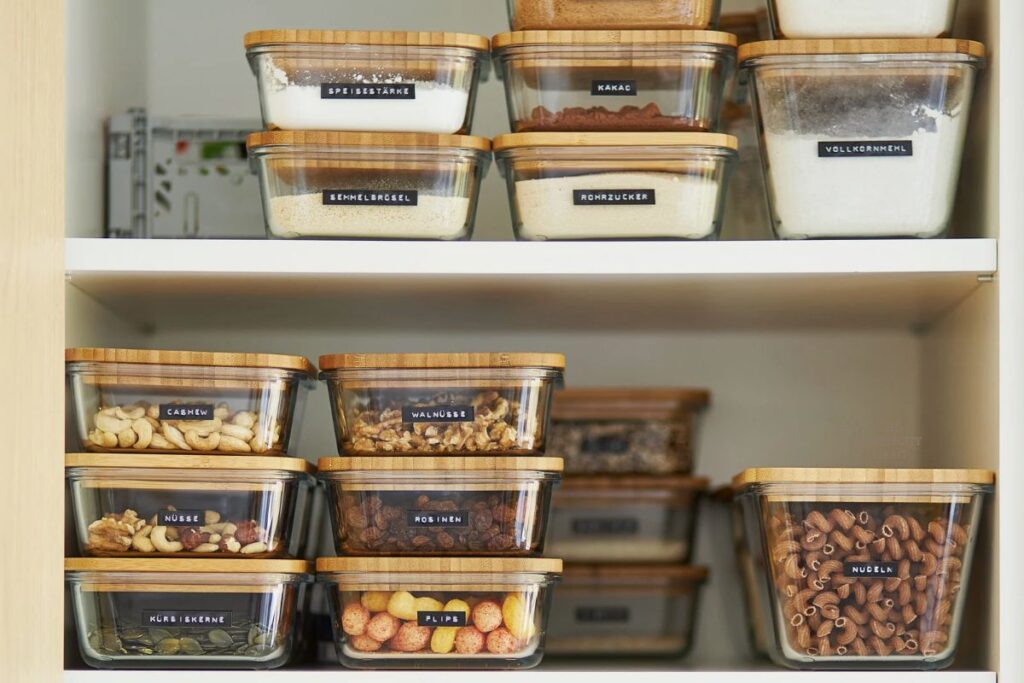
Clear bins look tidy on a pantry shelf until stacking gets in the way. If flour sits under crackers and rice, you have to move two bins before you can grab it, then stack everything back. Repeat that a few times a day, and the shelf starts costing you real time.
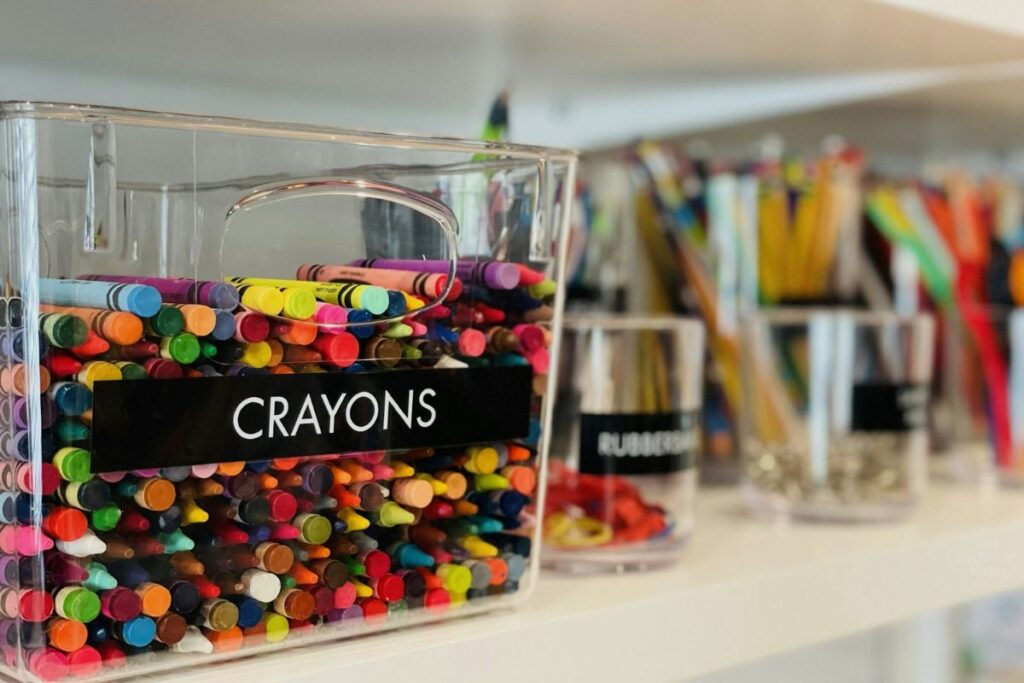
Clear plastic also puts every bit of mess on display. Half-empty chip bags and loose wrappers turn the bin you bought for calm into another place that looks cluttered. Decanting can work well for some items, but it is easy to go overboard with it.
A better fit for most kitchens is a single row of open, unstacked baskets at eye level. You grab what you need with one hand and drop it back without lifting a thing.
2. Label Makers and Rigid Drawer Dividers
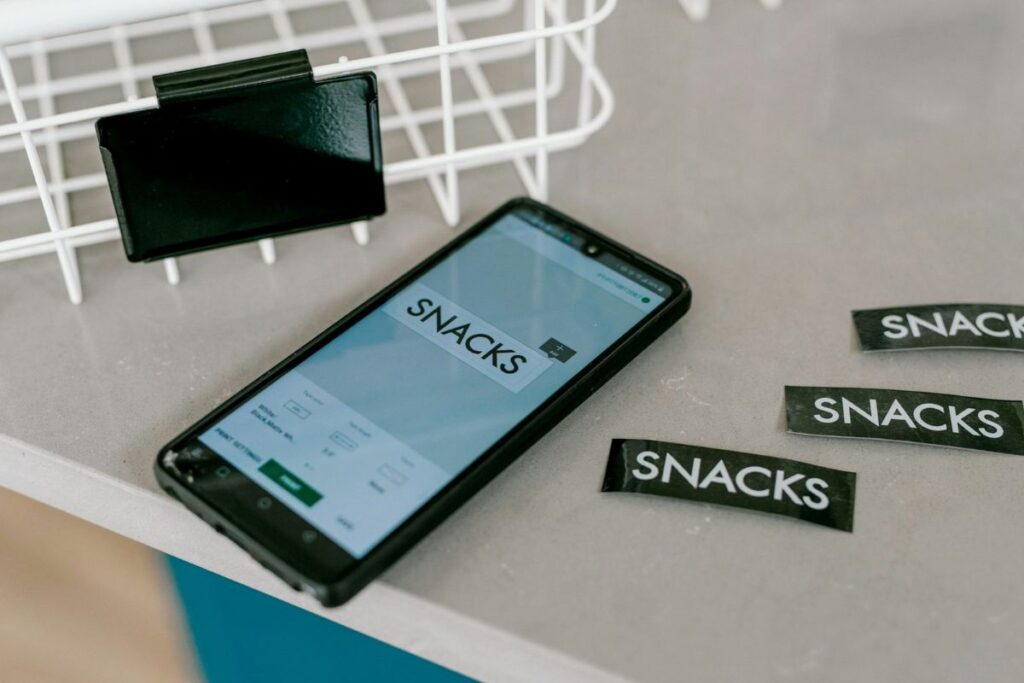
Learning to organize kitchen drawers often starts with a set of dividers and a label maker. Both work well right up until something changes.
Fixed dividers assume your tools stay the same forever. Then you buy a garlic press or a new pair of tongs, and nothing fits. The new item rides on top, the drawer jams, and the whole setup slides apart within a week.
Labels set a similar trap. A bin marked “Batteries” becomes inaccurate once tape and twist ties move in. Then you either relabel it or ignore it, and most households choose the second option.
When you organize kitchen drawers, expandable bamboo trays or a simple non-slip liner give you room to adjust. Kitchen drawer organization stays easier when the layout bends. Save labels for shared spots, like a family pantry several people use.
3. Matching Food Storage Sets
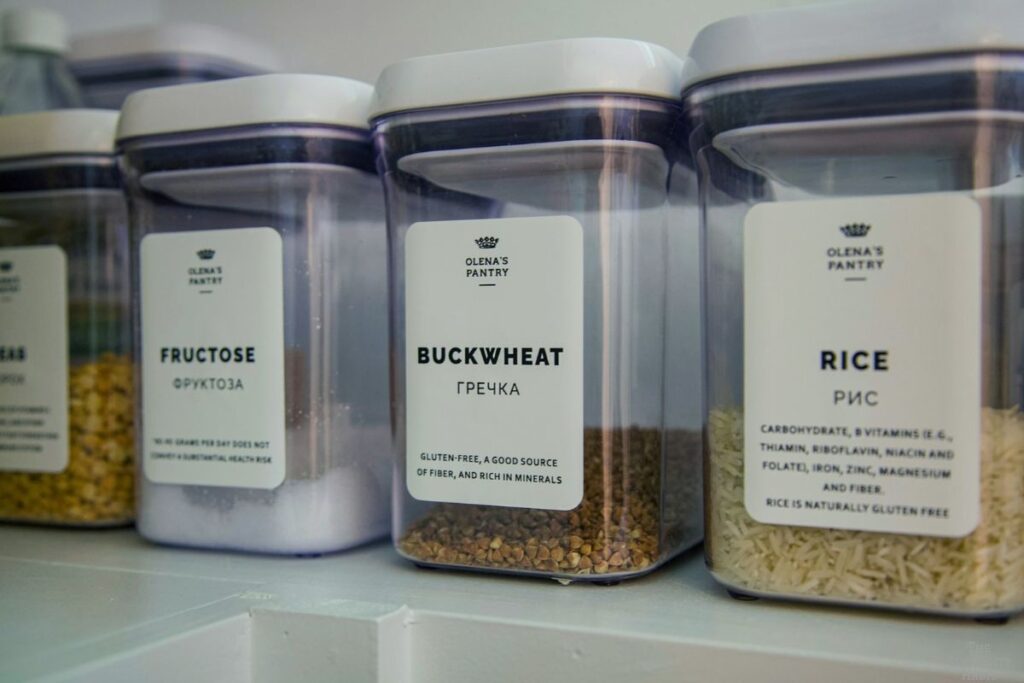
Few products promise more and deliver less than a 40-piece food storage set. The lids fit only one base, and the containers nest only when every piece is clean, so one lost lid can throw off the whole stack.
You’d think knowing how to organize Tupperware would come naturally because the containers stack, but you’re just as likely to toss them haphazardly in a drawer. There are lid racks, dividers, and pull-out drawers made just for containers. Each adds another product to manage. The simpler fix is owning fewer containers.
Health gives you another reason to rethink a big plastic collection. A team from the University of Nebraska-Lincoln tested polypropylene food containers. Microwaving them released more than two billion nanoplastics per square centimeter in some cases. Researchers still have open questions about what those particles do in the body, but heating food in glass is an easy swap.
Try keeping six to eight glass containers in two or three sizes with lids that fit across the set. Store the lids upright in a slim bin beside the bases. Your food storage containers become quicker to sort, and your leftovers stay out of hot plastic.
4. Overengineered Garage Systems
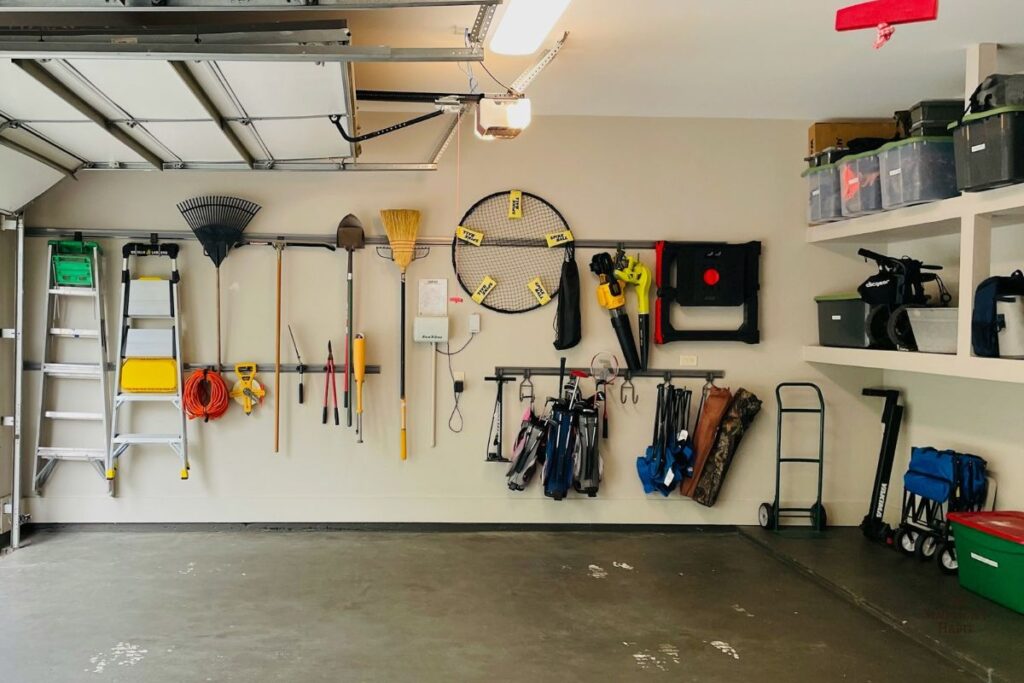
The garage often gets the biggest organizing haul. Slatwall panels, bin towers, and specialty hooks promise a showroom finish, but each accessory fits one item. Every new rake or bike helmet can send you back to the store.
Most garage wall storage ideas work best when they stay simple. A row of heavy-duty hooks, one open shelving unit, and a few broad zones for sports, garden, and car supplies cover most families.
This is also the easiest route to budget-friendly garage organization, since hooks and a basic shelf cost far less than a full panel system. Simple, budget-friendly wall storage in the garage also leaves room for whatever next season brings.
The bigger win comes from a routine rather than a product. Garage specialists suggest setting a quarterly or biannual maintenance schedule once the big cleanout is done.
At each reset, pull out what wandered in, return borrowed tools, and toss broken gear. The garage stays useful, and you skip the full overhaul every spring.
Build Forgiving Systems That Fit Your Life
A forgiving system works even during your most chaotic week. It lets you toss an item into roughly the right spot and move on. The goal is a home that runs with less effort, not one that looks perfect for a photo.
These habits help you build one:
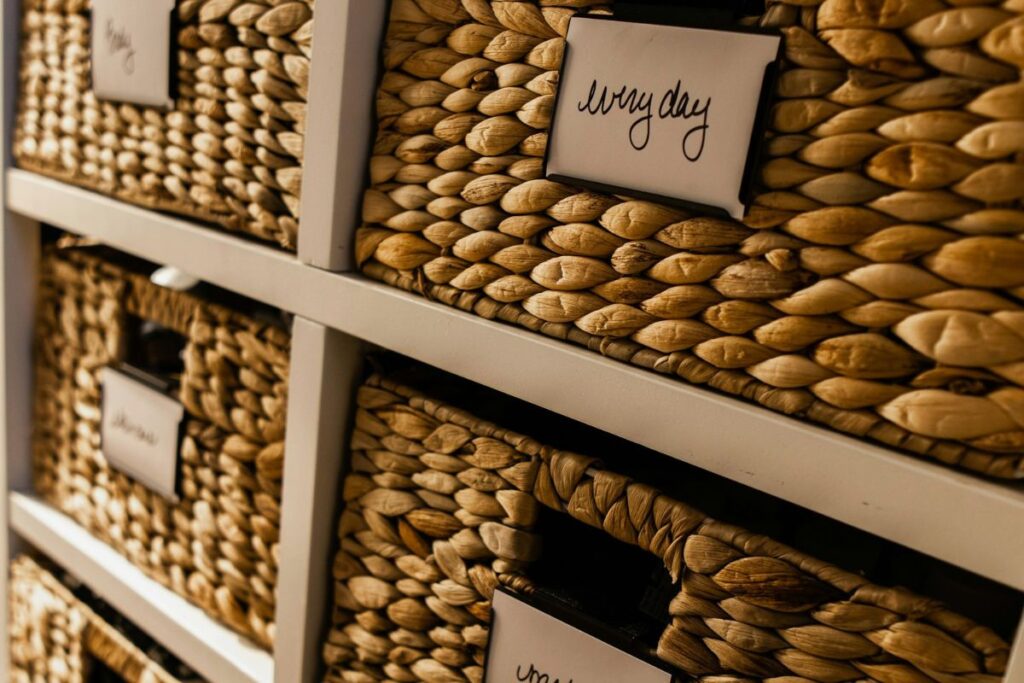
- Choose open containers over lidded ones. A basket with no lid takes one motion to use. Lids, latches, and stacking add steps every single time.
- Sort by broad category. One “baking” basket works better than separate bins for flour, sugar, and sprinkles. Broad groups give new items an obvious home.
- Set limits instead of buying more storage. When a space fills up, something leaves before anything new comes in.
- Schedule short resets. A few minutes each week beats a full weekend overhaul twice a year.
Limits do a lot of the heavy lifting, and the junk drawer proves it. If you’re figuring out how to organize a junk drawer, start with caps instead of more bins.
One homeowner rebuilt her drawer around simple rules, like keeping just two rolls of tape and three pens. Once the drawer hits its limit, the extras stand out right away, and the drawer starts to correct itself. A two-minute weekly sweep handles anything that drifted in.
The same idea works for paper. The Sunday Basket method sends mail, forms, and receipts into one basket throughout the week. Then you sort everything in a single 15- to 30-minute session, and the basket sits empty again. Mail stops piling up on the counter because it always has one landing spot.
Before you buy any new organizer, ask one question. How many extra steps will it add each time you use it? If the answer is more than one, leave it on the shelf.
Thinking Outside of Using Just Clear Organizing Bins
The best organizing system is the one you’ll use on your busiest week. Clear bins, label makers, and drawer dividers may look great on day one, but many add hidden steps.
Start with fewer products, broader categories, simple limits, and short resets. Your home will feel calmer, and you’ll spend more time living in it than rearranging it.

Do you use clear organizing bins in your home? Where have they worked well, and where haven’t they? Let us know in the comments section below.
Sign up on the form below to get weekly decluttering tips and inspiration sent straight to your inbox. You’ll also get the free 5 Areas to Declutter in 10 Minutes Checklist to help you get started decluttering today.
Join the List
Stay up to date & receive the latest posts in your inbox.