Stop Organizing Like an Influencer: 6 Instagram-Perfect Systems That Fail Real Families
Inside: Learn why you should stop organizing like an influencer and 6 Instagram-perfect systems that fail real families.
A guest post by Rose Morrison
Have you ever looked at an Instagram-perfect pantry or beautifully organized closet and wondered how anyone actually keeps it that way?
Those spaces can be inspiring, but they also require a lot of upkeep and aren’t practical for most homes. These organizing systems may look great in a photo but don’t always work well in reality.
Real life is messier. Kids forget to put things back. Schedules change. People are tired. And sometimes the most sustainable organizing solution isn’t the prettiest one.
In this post, we’re looking at why you should stop organizing like an influencer and what you can do instead to create systems that actually work for your everyday life.
Stop Organizing Like an Influencer: 6 Systems that Fail in Real Life
Learn why you should stop organizing like an influencer with six systems that might look good, but don’t function well in real life.
1. The Rainbow Decanted Pantry
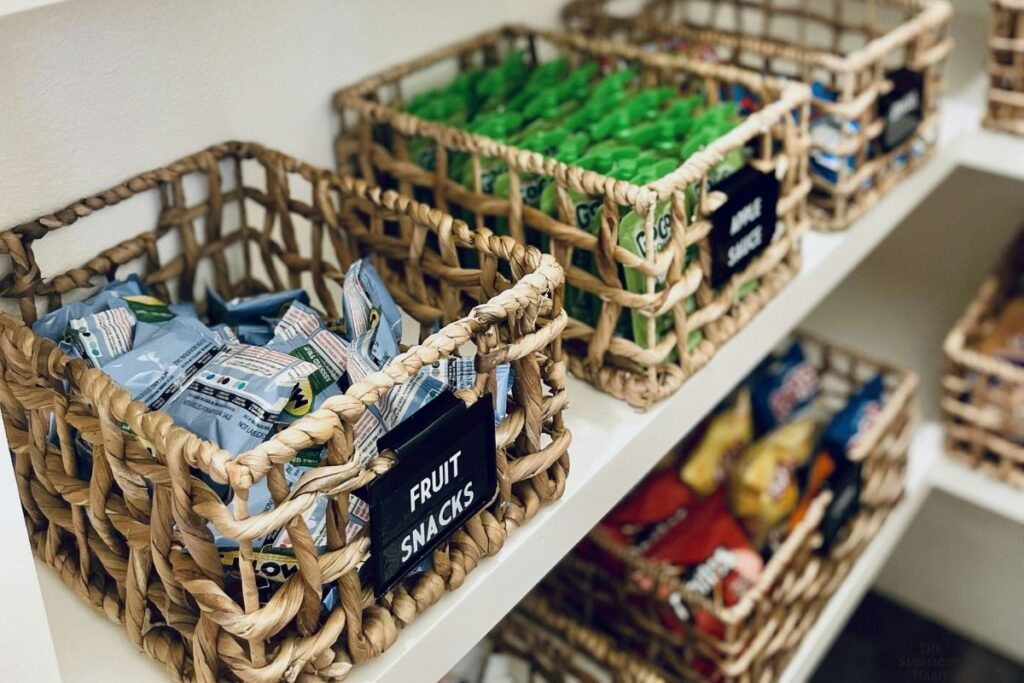
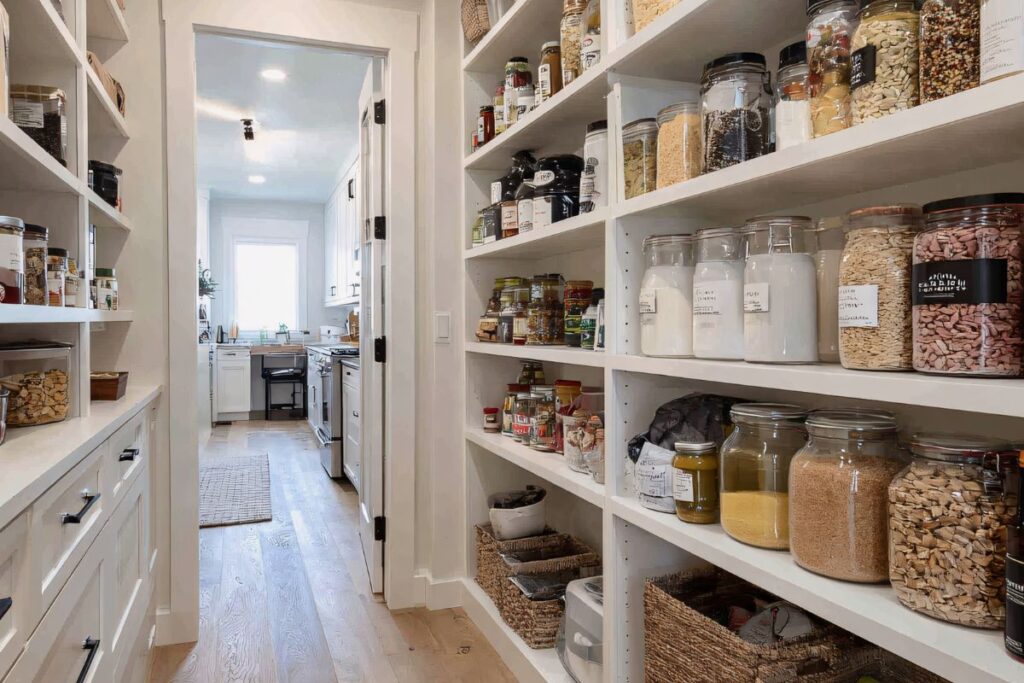
Thanks in large part to The Home Edit, in recent years pantries stopped holding food and started holding an aesthetic. Cereal, rice, pasta, and snacks all get poured into matching glass canisters, then lined up by color, so the whole cabinet looks more like a magazine spread than a place people grab breakfast from.
The appeal is that a decanted pantry photographs beautifully, and it signals that a household has everything under control.
Recent research on household management supports the idea that control usually falls on one person. One study found that mothers report handling 71% of household mental load tasks, the invisible planning and tracking work that includes keeping food inventory straight.
Refilling a dozen canisters every week, remembering what’s actually inside each one, and replacing labels when a product changes all land on whoever set the system up in the first place. Packaging also carries useful information, such as allergen warnings, that disappears the moment food is poured into an unlabeled jar.
A simpler version works just as well. Decant only the staples that don’t carry safety information, like flour, sugar, and pasta, and group everything else by category instead of color. The pantry stays functional even in weeks when nobody has time to refill a canister.

2. The Color-Coded Closet System
A closet organized by color is one of the most photographed home projects out there. Shirts fade from white into pastels into black, and the whole rod looks like a sunset. It’s an easy transformation to show off because a single before-and-after photo tells the whole story.
Color order and outfit logic aren’t the same thing. A rainbow closet groups a red blouse next to a red cardigan, even if the two were never meant to go together.
Pulling together a full outfit means scanning the entire rod rather than a single section. Keeping the order also means re-sorting every time laundry comes back, turning a five-minute task into a small project.
Organizing by category first works better for daily life. Group work clothes, weekend clothes, and occasion pieces separately, then let color fall wherever it lands inside each section.
For a version of this that still looks put together, a good starting point is what you actually reach for each morning, not what looks good in a photo.
3. The Zero-Clutter Countertop
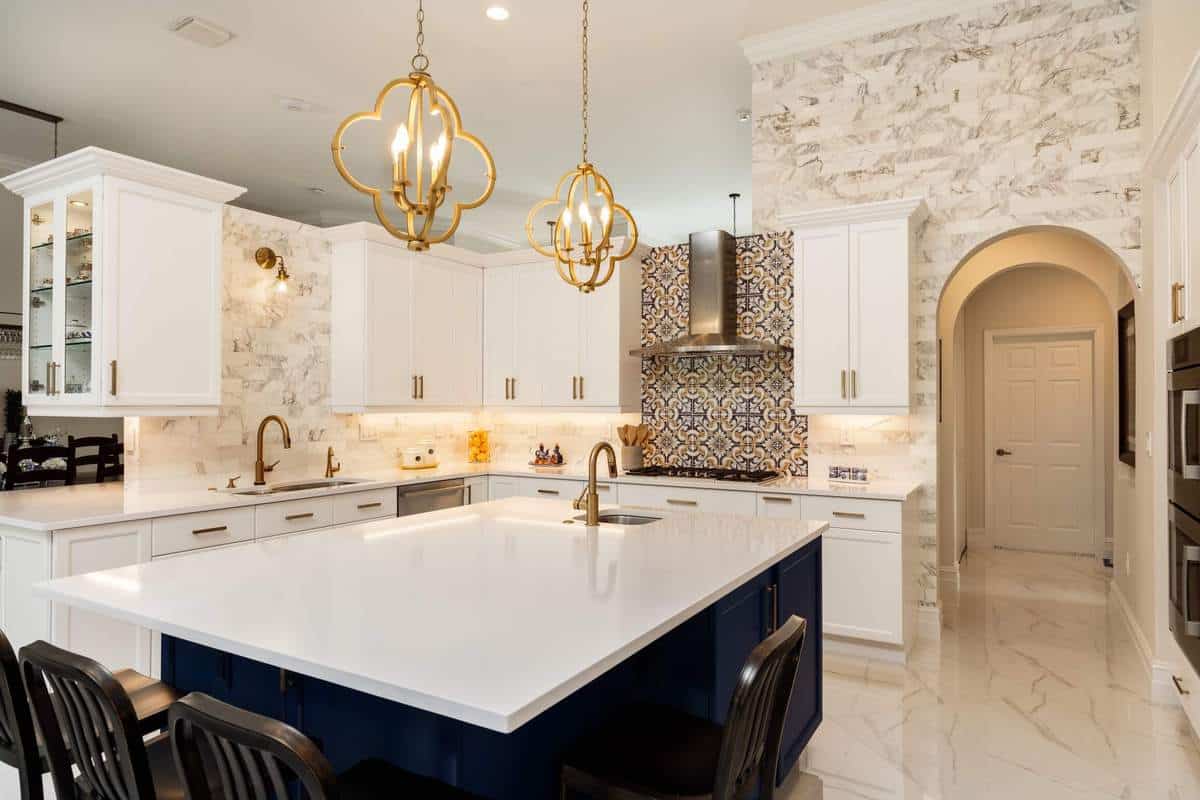
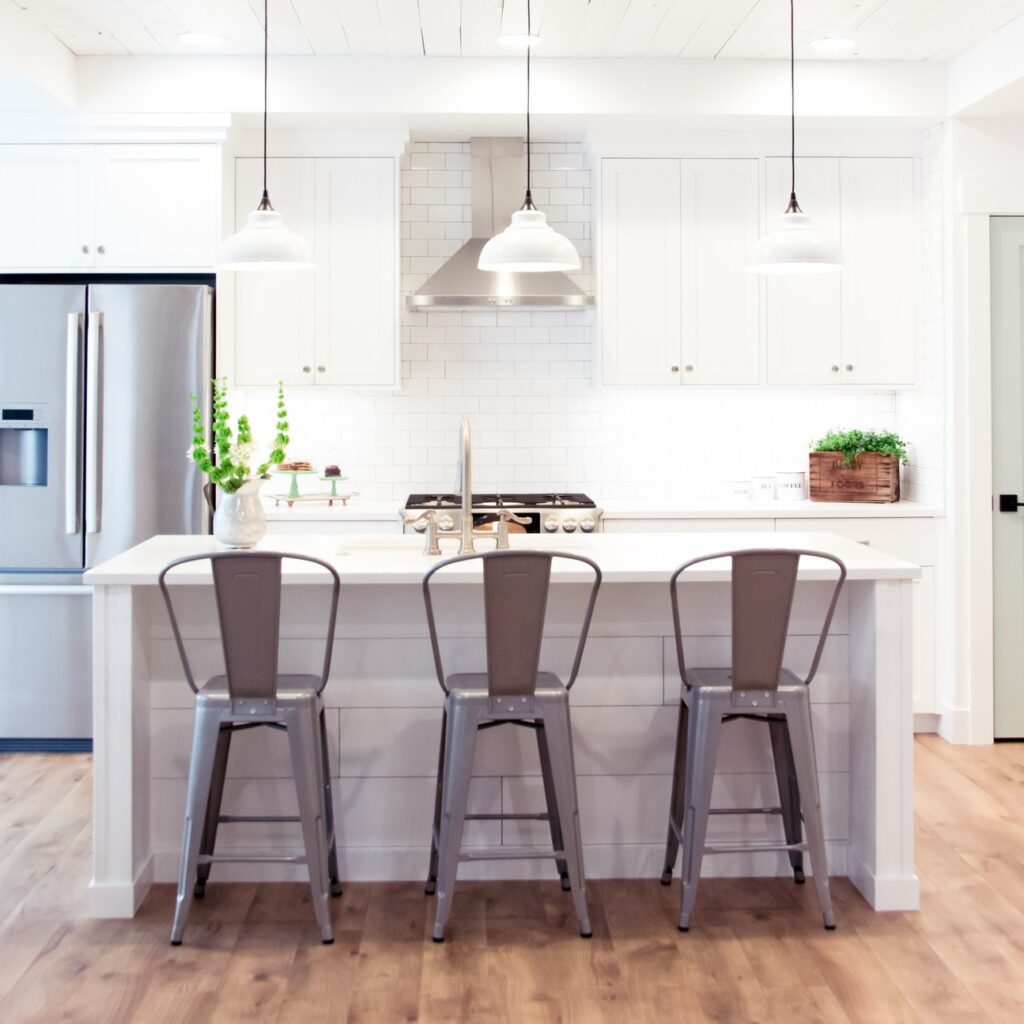
Bare countertops are a signature of the aesthetic overhaul. Coffee makers, toasters, dish racks, and utensil holders all disappear into cabinets, leaving a stretch of clean stone that looks like a showroom kitchen.
Clearing a counter for a photo is one thing. Living around it is another. Small appliances that get tucked away tend to get used less, since pulling a toaster out and putting it back adds friction to a task that used to take no thought at all.
That friction adds up over a week of breakfasts, and it often means the appliance stops getting used at all, even though it was worth the counter space in the first place.
A middle ground keeps the kitchen usable. Leave out whatever gets touched daily, like a coffee maker or a knife block. Reserve cabinet space for items used less often.
What stays visible or hidden often comes down as much to personality as to available space. Treating that as a decision rather than an all-or-nothing rule is what keeps a countertop photogenic and livable.
4. The Open Shelving “Everything Display”
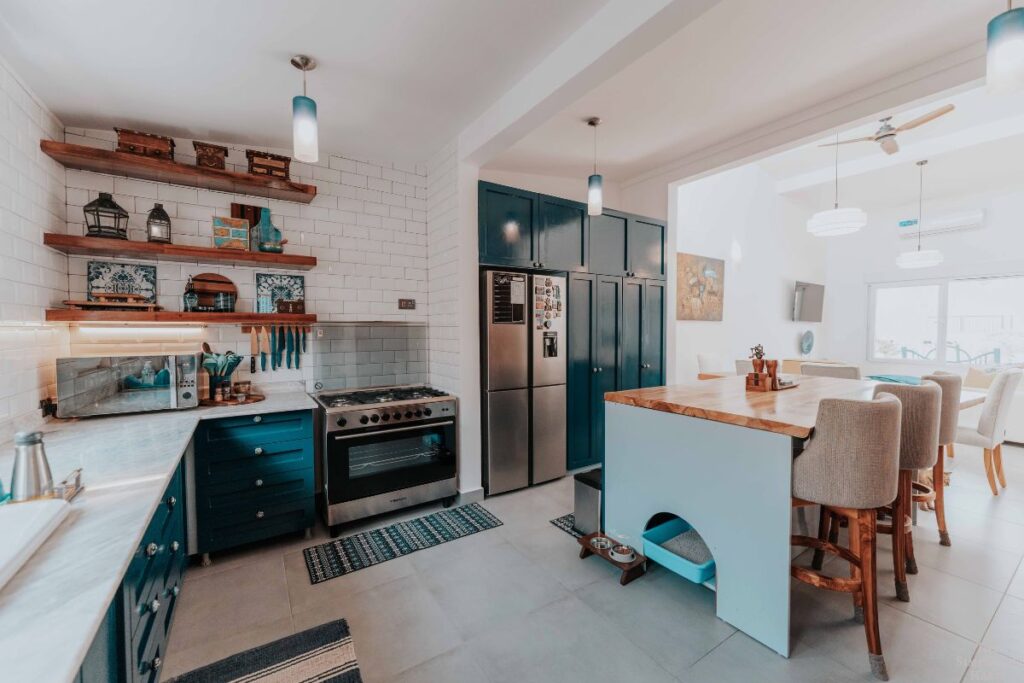
Open shelving has replaced upper cabinets in many kitchen renovations over the past several years, and it’s easy to see the appeal. Dishes, glassware, and cookbooks all become part of the room’s decor instead of hiding behind cabinet doors.
The trade-off is upkeep. Everything on an open shelf is visible all the time, which means dust, mismatched mugs, and the everyday clutter of a working kitchen are also always visible.
Maintaining the styled look requires regularly editing what’s on display, since a shelf that looked curated on move-in day rarely stays that way once the real dishes and real snack boxes start living there.
Many daily habits make the trade-off easier to see before committing to a full shelving overhaul.
A hybrid layout solves most of the problem. Keep one open shelf for the pieces worth displaying and put the rest behind a door or in a drawer.
The kitchen still gets some of that open, styled look, without asking every dish in the house to look presentable all the time.
5. The Open-Concept Front Yard
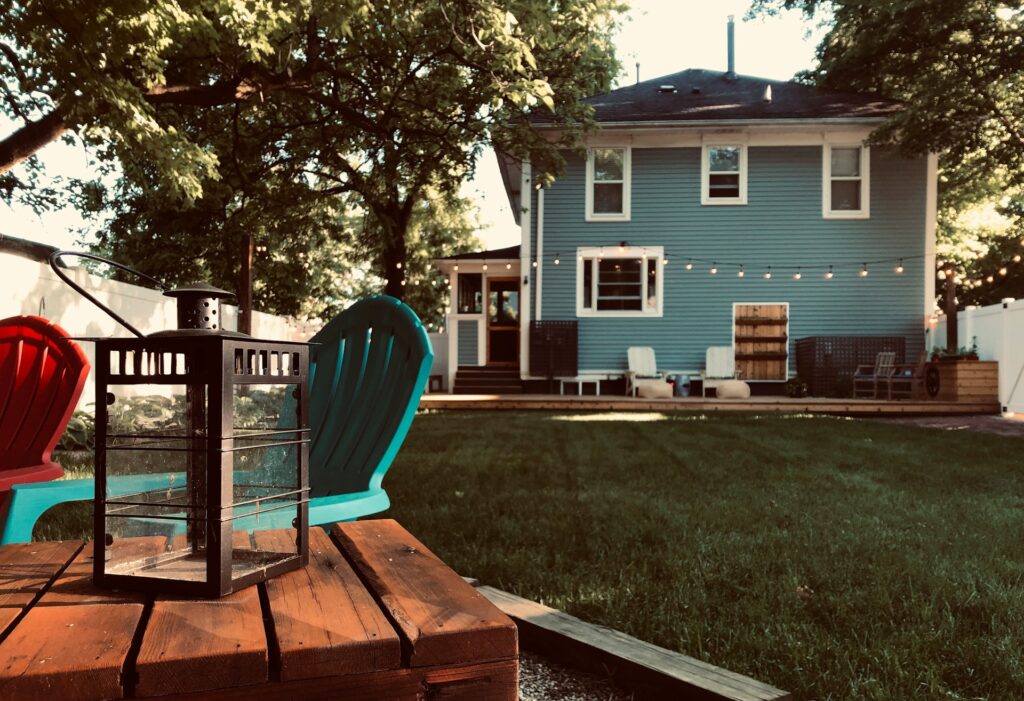
Manicured, fence-free front lawns show up constantly in home tours. Wide-open grass, a single specimen tree, maybe a gravel path leading to the door. It reads as clean and confident, the kind of yard that photographs like a postcard.
An open front yard also means an open view into a family’s life. Bikes get left out, toys migrate from the backyard, and a yard with no boundary line becomes the default overflow space for anything that doesn’t fit inside.
A privacy fence gives a front yard a defined edge and a place for the eye to stop before it reaches the front door. A living fence built from tall shrubs and thick trees preserves the family’s privacy while creating a natural sanctuary. It turns a wide-open lawn into a space that still looks intentional, even when items are left out.
6. The Label-Everything Method
Labels get pitched as the fix for most organization problems. For adults, that mostly holds up. However, word-based labels only work for people who read fluently. That leaves out the household’s younger members.
Research has found that picture cues are more effective than word cues in helping young children recognize what an action or object represents. A bin labeled “blocks” means nothing to a three-year-old who can’t yet read, while a picture of blocks tells them exactly where to look and where to put things back.
A mixed system covers more of the household. Use text labels for zones that adults manage, such as a pantry shelf or a filing drawer.
Switch to pictures or color-coding for anything kids are expected to use on their own, like toy bins or a backpack hook. The system works because it matches how each person in the house reads it, not because every label matches.
And as with anything, labeling can be overdone. It’s an organizing trend that has worked for some homes, but has been overdone to the point where it ends up creating visual clutter in others.
Pinterest-Pretty and Practically Empty
Organizing should make your life easier, not give you a part-time, unpaid job maintaining an aesthetic. A pantry, a closet, or a front yard that only works when nobody touches it isn’t really working.
The systems that hold up are the ones built around how a household actually behaves, mess and all, not how it looks for a single photo. If the setup serves the picture instead of the people living in it, it’s decor rather than function.

Did you ever try to organize like an influencer? Let us know how it went in the comments section below.
Sign up on the form below to get weekly decluttering tips sent straight to your inbox. You’ll also get the free Your Home Decluttered Jumpstart which includes 100 easy items to declutter and 12 high-impact areas to declutter in 10 minutes.
Since I follow no influencers, I hadn’t realized that they recommended organizing clothing by color.
I’ve been doing that for years!
I have sturdy metal hanger holders with spaces for six hangers. Each hanger holder holds tops of one color. With the change of season, I switch the short- and long-sleeved tops from a storage closet to the bedroom closet. The entire semiannual switch takes less than an hour.
The trick to having open shelves that work is to not look at them as places to “style.” we had open shelves and loved them. for the ones in my prep area, I kept my mixing bowls, measuring cups, etc. just like a chef would with their open shelves in a restaurant. The other set had our everyday glasses, plates and bowls. Having them out made it easy to plate food and put away clean dinnerware.
Yes, I think many of us are getting tired of the all-white, zero clutter, “no belongings visible” aesthetic that’s been so popular for years. Too sterile, too cold, too impersonal. Those rooms look like no one lives there. I find myself looking for darker wood and cozy colors instead of black and white everything.
Also, as stated in this post, decanting and labeling everything in the pantry and cupboards is a waste of time and usually involves buying more plastic crap or other things that end up broken or given to the thrift store. When you toss packaging, you’re also tossing the nutritional info and so forth, and while you can look that up online, why have the extra step?