
The 10 Best Decluttering Methods (According to a Professional Declutterer)
Inside: Discover ten of the best decluttering methods, according to a professional declutterer.
Have you ever looked around your home, noticed all the things that need to be decluttered, and wondered where to begin?
Maybe your kitchen counters are covered with stuff, your closet is overflowing, or the garage has become the place where everything gets stored when you don’t know what else to do with it.
You know you want to make progress, but figuring out how to tackle the clutter can feel almost as overwhelming as the clutter itself.
The good news is that there isn’t just one right way to declutter your home. There are many different methods you can try, and each one offers a slightly different approach.
Some help you build momentum through small wins, while others give you a step-by-step process for working through a messy room. And some of the best decluttering methods are designed to help you maintain the progress you’ve already made.
The key is finding a method that works for you and your current season of life.
Read on for ten of the best decluttering methods for your home. Consider the time you have available and what pace will work for you.

The 10 Best Decluttering Methods
Here are ten of the best decluttering methods that I’ve used and written about. I’ve included a brief explanation of each one to help you determine which might be the best fit for you.
1. The Reverse Decluttering Method
Traditional decluttering often begins with a simple question: What should I get rid of?
The Reverse Decluttering Method flips that question around. Instead of starting with what you want to remove, you begin by identifying the things you genuinely want to keep.
This subtle shift can make decluttering feel much less negative. Rather than focusing on everything you need to eliminate, you get to think about what you use, what you love, and what deserves a place in your home.
You might begin with a kitchen cabinet, for example. Instead of trying to decide which mugs should go, identify the mugs you reach for regularly or that hold special meaning. Once you’ve chosen what deserves to stay, you can evaluate the remaining items.
This method is especially helpful if you struggle with decision fatigue or feel overwhelmed by the thought of getting rid of your belongings. It gives you a clearer sense of what matters before you start making decisions about what no longer fits.
Learn more about the Reverse Decluttering Method

2. The Slow Decluttering Method
If the thought of decluttering your entire home feels exhausting, you don’t have to rush the process. The Slow Decluttering Method focuses on making steady progress over time rather than trying to finish everything in a day or weekend.
The idea is simple: choose a manageable area, spend a little time decluttering it, and repeat the process regularly. You might work on one drawer today, a shelf tomorrow, and a small section of your closet later in the week.
This approach gives you time to make thoughtful decisions, especially when you’re dealing with sentimental belongings or items you’ve held onto for years. You don’t have to force yourself to make every difficult decision at once.
Slow decluttering can also be easier to fit into a busy schedule. Rather than waiting for a completely free weekend, you can make progress in short sessions whenever you have the time and energy.
The important thing is consistency. Small efforts may not seem dramatic in the moment, but they can add up to meaningful change.
This method is a good fit if you’re easily overwhelmed, have limited time, or want to make decluttering a sustainable habit instead of a one-time project.
Learn more about the Slow Decluttering Method

3. The Ski Slope Method
Sometimes the hardest part of decluttering isn’t deciding what to keep. It’s looking at a messy room and having no idea where to start.
The Ski Slope Method helps by breaking a room into smaller sections that you tackle in a zigzag pattern. Rather than trying to work on the entire space at once, you begin in one area and gradually move across the room, working through manageable sections until you reach the end.
Imagine you’re decluttering a bedroom. You might begin in one corner, clear the nightstand and nearby floor, then move to the next section across the room. You continue working back and forth rather than jumping from one unfinished task to another.
The advantage is that you have a clear path to follow. You don’t need to worry about the entire room because your attention stays on the section in front of you.
This method can be particularly helpful for larger or especially messy spaces, such as bedrooms, garages, and kitchens. It also allows you to take breaks without feeling as though you’ve made the mess worse by pulling everything out at once.
Learn more about the Ski Slope Method

4. The 5 Things Method
What if you didn’t have to clean an entire room to make it feel better?
The 5 Things Method makes tidying less overwhelming by breaking the mess into five categories: trash, dishes, laundry, items that have a home, and items that don’t have a home.
Instead of trying to address everything at once, you focus on one category at a time.
Start by collecting the trash. Then gather the dishes, followed by the laundry. Next, put away items that already have a designated place. Finally, deal with the belongings that don’t have an obvious home.
This approach is helpful because it reduces the number of decisions you’re making at any given time. You don’t have to stop to figure out what to do with every item as soon as you touch it.
It can also produce noticeable results fairly quickly, particularly in living rooms, bedrooms, and other spaces where everyday mess tends to accumulate.
If you’re tired, short on time, or feeling overwhelmed by a messy room, this is a practical method to try. You can work through the five categories at your own pace without expecting your home to look perfect by the end of the day.
Learn more about the 5 Things Method

5. The Move-Out Decluttering Method
Have you ever noticed how much easier it can be to let go of things when you’re preparing to move? When you imagine having to pack, transport, and unpack everything you own, belongings that seemed worth keeping suddenly feel less necessary.
The Move-Out Decluttering Method uses that same mindset, even if you’re perfectly happy staying in your current home.
Imagine that you’re moving into a new home and have to decide what is worth taking with you. Would you pack the clothes you haven’t worn in years? Would you bring every kitchen gadget, old box, or decorative item you’ve accumulated? Or would you take the opportunity to be more selective?
To try this method, choose a move-out date, even if you’re not actually moving. Work through one room or area at a time, imagining that everything you keep will need to be packed and moved.
This can help you become more honest about what you use, what you value, and what you’re keeping simply because it’s already there.
You don’t have to get rid of everything that isn’t essential. If you love your books, collections, or meaningful keepsakes, keep them. The point is to make intentional decisions rather than automatically holding onto everything.
This method is especially useful if you want a fresh start or need a little extra motivation to tackle belongings you’ve been avoiding for a long time.
Learn more about the Move-Out Decluttering Method

6. The 365 Less Things Method
If the idea of decluttering your entire home feels like too much, why not spread the process across a full year?
The 365 Less Things Method encourages you to remove one item from your home each day for a year. Rather than setting aside an entire weekend to sort through your belongings, you make decluttering a small part of your everyday routine.
One day, you might recycle an old document. The next, you might donate a shirt you no longer wear. Another day, you might let go of an unused kitchen gadget or a duplicate household item.
Some days, you’ll find something to release quickly. On other days, you may need to look a little harder.
The beauty of this approach is its flexibility. You don’t have to make a long list of projects or find several uninterrupted hours to get started.
Over time, those small decisions can add up to a meaningful reduction in clutter.
This method is a good fit for people who prefer gradual change and want to avoid the exhaustion that can come with a major decluttering project. It can also help you become more aware of what you’re bringing into your home and what you’re ready to let go of.
Learn more about the 365 Less Things Method

7. The Core 4 Decluttering Method
If you like having a clear process to follow, the Core 4 Decluttering Method offers four straightforward steps: Clear Out, Categorize, Cut Out, and Contain.
First, clear the space you’re working on so you can see everything that belongs there. Next, group similar items together. Then decide which belongings you want to keep and which you can let go of. Finally, organize what remains in a way that makes sense for your home.
For example, when decluttering a bathroom cabinet, you might remove everything, group products by type, discard expired items and products you no longer use, and then put the remaining essentials back in an accessible arrangement.
The method provides a natural order for the work, helping you avoid the common problem of moving items around without actually deciding what should stay.
It’s particularly useful when you’re tackling a drawer, cabinet, closet, or other contained area where you want to make decisions and create a practical organizing system at the same time.
Remember that the goal isn’t to find perfect containers or create an Instagram-worthy space. It’s to make sure the things you keep have a sensible place to live.
Learn more about the Core 4 Decluttering Method
8. The 5/7 Decluttering Method
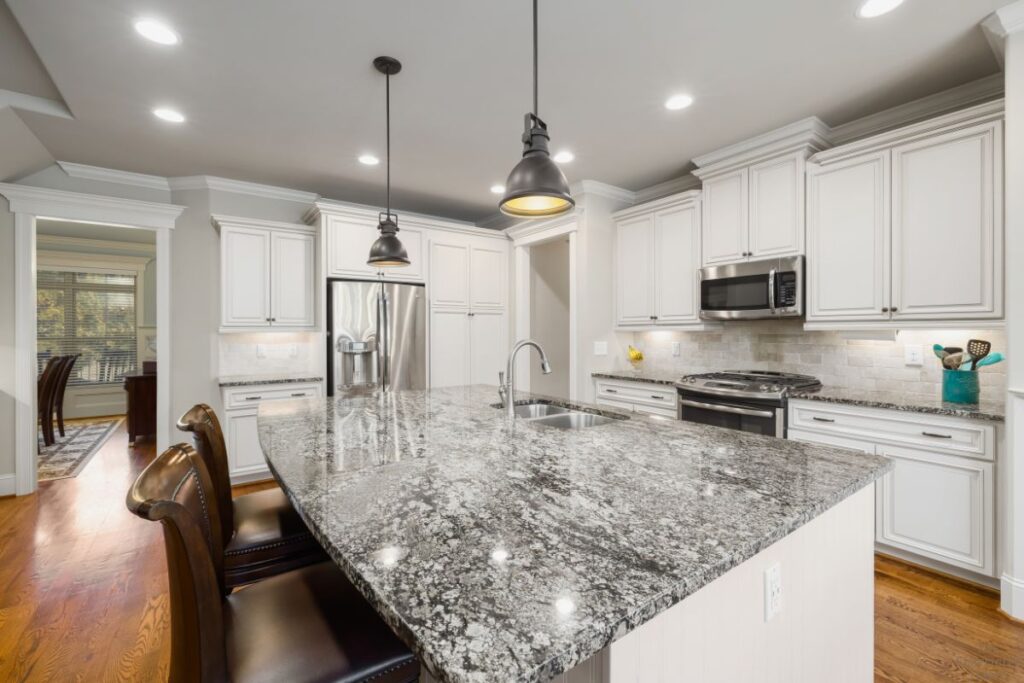
Flat surfaces can be some of the most frustrating places to keep tidy. Kitchen counters, dining tables, desks, and bathroom vanities tend to attract things throughout the day, even when you’ve recently cleared them.
The 5/7 Decluttering Method offers a simple guideline: keep out only the items you use five days a week, and store the other items elsewhere.
For example, you might keep your coffee maker and a few everyday kitchen essentials on the counter while putting less frequently used appliances away in a cabinet.
The point isn’t to create completely empty surfaces. It’s to be more intentional about what stays visible and what can be stored until you need it.
This method is especially helpful if visual clutter bothers you or if you want your home to feel calmer without having to get rid of everything you own.
Try it in one high-traffic area first. Once you see how much easier it is to use and maintain that space, you can decide whether to apply the same guideline elsewhere.
Learn more about the 5/7 Decluttering Method

9. The Micro Decluttering Method
Sometimes you have a little time to declutter but not enough to tackle an entire room. That’s where the Micro Decluttering Method can help.
Rather than taking on a large project, you focus on one small, clearly defined area at a time. This might be a single shelf, a corner of the living room, one section of a countertop, or a small pile of items that has been sitting around for too long.
Set a short time limit if that helps you stay focused. Work through the area, remove what doesn’t belong, and make decisions about what should stay. Once you’ve finished, you can move on to another small section if you have time.
The benefit of micro decluttering is that it makes getting started easier. You don’t have to pull everything out of a closet or create a big mess that you may not have time to finish. You simply choose one manageable spot and work on that.
This method is especially useful for busy people, anyone who feels overwhelmed by clutter, or those who struggle to find motivation for larger projects.
It can also be a good way to build a regular decluttering habit. A few minutes spent on a small area each day can make a difference over time, especially when you follow through by removing donations and trash from your home.
Learn more about the Micro Decluttering Method

10. The Lessting Method
The Lessting Method takes a broader look at decluttering by encouraging you to reconsider your relationship with your belongings and what you want your home to provide.
Instead of focusing only on the physical act of removing things, this approach asks you to think about why you own what you own and whether those possessions contribute to the life you want to live.
Start by looking at your belongings with fresh eyes. Do they serve a purpose? Do you enjoy them? Are you keeping them because they’re meaningful, or because you feel guilty letting them go? Are you holding onto things for a version of your life that no longer reflects your current priorities?
These questions can be especially helpful when you’re dealing with gifts, inherited belongings, expensive purchases you regret, or items connected to past hobbies and aspirations.
The Lessting Method also encourages you to prioritize experiences and meaningful activities over accumulating more physical possessions. You might discover that what you really want isn’t another decorative item or new purchase, but more time, less stress, and a home that feels easier to maintain.
This approach is useful if you’re ready to think beyond the clutter itself and consider how your habits, priorities, and shopping decisions contribute to what accumulates in your home.
Learn more about the Lessting Decluttering Method

Which of the Best Decluttering Methods Should You Try First?
With so many decluttering methods available, it can be tempting to try several at once. But you don’t need to do that.
Start by thinking about what’s making decluttering difficult for you right now.
If you’re overwhelmed and don’t know where to begin, try the Slow Decluttering Method or the Micro Declutter Method. Or, if you have a particularly messy room, the Ski Slope Method can give you a clear path to follow. And if you struggle to decide what to keep, the Reverse Decluttering Method may help you focus on what matters most.
If you need extra motivation to release belongings you’ve been holding onto for years, try the Move-Out Method. And if you want to rethink your relationship with your possessions and focus on what truly matters, the Lessting Method may be a good fit.
You can also combine some of the best decluttering methods when it makes sense. For example, you might use the Core 4 Method to declutter a closet and then apply the 5/7 Method to keep your most-used surfaces clear.
Just avoid making the process more complicated than it needs to be. The best method is one you can actually follow through on.

Use the Best Decluttering Methods to Create a Home That Feels Good to Live In
Decluttering isn’t about having the fewest possessions or creating a perfectly organized home. It’s about making your surroundings easier to manage so you have more room for the people, activities, and experiences that matter to you.
You don’t have to finish everything in a weekend, and you don’t have to follow a particular method forever. Try one approach, see how it works for your home, and make adjustments as needed.
Most importantly, remember that progress counts even when it’s small.
A single drawer cleared, a donation bag filled, or a countertop returned to its intended purpose can be a meaningful step toward a simpler home.
Choose one of the best decluttering methods that feels manageable and give it a try. You might be surprised by how much easier it becomes to keep going once you’ve taken that first step. Then let that small beginning lead you toward a home that feels calmer and more functional.
Which of the best decluttering methods sounds like the best fit for you? Please let us know in the comments section below.
Sign up on the form below to get weekly decluttering tips sent straight to your inbox. You’ll also get the free Your Home Decluttered Jumpstart which includes 100 easy items to declutter and 12 high-impact areas to declutter in 10 minutes.
Join the List
Stay up to date & receive the latest posts in your inbox.