
How to Build a Home Operations Manual for Easy, Year-Round Cleaning
Inside: Learn how to build a home operations manual to stay on top of maintenance needs for your space.
A guest post by Evelyn Long
Household chores like cleaning the bathrooms and vacuuming the living room are already part of your daily routine, so much so that you often do them on autopilot.
However, seasonal maintenance tasks, such as clearing out the pantry or sorting paper piles, require a more hands-on approach. At times, this can feel overwhelming because of the scope of work.
The good news is that you don’t have to tackle these larger projects on your own. You don’t even have to go in unprepared without a guide. All you need is a home operations manual that will help you prioritize routines and assign jobs to family members who can help.
In fact, when the whole family pitches in, you do more than just bond and build good habits. You completely lift the mental load off your shoulders and keep the house running smoothly all year long.
Here’s how to build your own family home operations manual, including five key tasks you need to add to it.

Establish Your Home Operations Manual
Your home operations manual is the central location where the whole family can access the seasonal agenda list and get guidance on how to execute it properly.
The format you choose depends entirely on what works best for you. If your family prefers the traditional route, a physical three-ring binder in the kitchen or a whiteboard will do the trick.
You can also put the tasks in the cloud by using a digital family calendar, a shared online document or a dedicated home management app.
Whatever format you choose, keep in mind the goal of putting every seasonal task on a visible, shared schedule so everyone knows exactly what needs to be done and when.

5 Core Tasks to Add to Your Home Operations Manual
Try adding these five core seasonal tasks to your manual to start your year-round cleaning on a strong note.
1. Schedule Your Annual Kitchen Purge
Starting your seasonal sweep in the kitchen is the best way to get rid of the kitchen clutter you can immediately see at home. It’s ideal to set a strict annual purge on your calendar first to prevent daily compounding clutter.
Here is the easiest way to tackle this project as a family:
Empty and evaluate: Pull everything out of the pantry and fridge to see which items are expired, spoiled or stale. This is a great step to delegate to your children, where they can check expiration dates on cans or sort plastic food containers.
Sort the waste: Group your discarded items by their waste type: biodegradable, recyclable and residual.
Consolidate and restock: Neatly return fresh food to its designated containers and replace discarded items as needed.

2. Declutter Your Paper Piles Monthly
School papers, mail, and receipts pile up fast, even in the most organized homes. Regular paper purges throughout the year help to keep it under control:
Sort and shred: Toss junk mail and old receipts you don’t need. Parents should shred anything with personal information.
Save the keepers: Kids can sort their artwork and schoolwork into keep and toss piles. Snap photos of favorites before recycling them, and give each child a memory box.
File the essentials: Store appliance manuals, warranties and service records in a section of your operations manual, so they’re easy to find when you need them.

3. Plan Seasonal Water System Checks
Water moves through your home both inside and out, so it’s important to check the entire system. Adding these steps to your manual helps you spot small problems before they turn into major repairs.
Indoors, the goal is to find and fix a household leak early. Your kids can help with the first and second steps:
Test the toilets: Start by putting a few drops of food coloring in the back tank of each toilet in the house.
Wait and watch: Wait for about 10 minutes to see if color appears in the bowl. Then, if the colored water seeps down into the main bowl without anyone flushing, you’ve found a silent leak that needs fixing.
Flush the water heater: Follow your manufacturer’s instructions before flushing your water heater, including turning off the power or gas and shutting off the water supply as directed.
Outdoors, parents should take the lead, since this work involves ladders and tools:
Inspect the gutter slope: Get on a ladder and check the pitch of your gutter to ensure water flows smoothly to the downspouts. Ideally, your gutters should slope 1/8 to 1/4 of an inch per 10 feet of length.
Clear the blockages: Scoop any visible debris, leaves, or twigs clogging the high gutters.
Secure the ground-level downspouts: Make sure they are securely attached and pointed away from your house.

4. Systemize Your Bedroom Refresh
Since you spend lots of time in your bedroom, it needs seasonal resets, too.
Beyond just daily bed-making, scheduling a deeper seasonal reset will keep the bedrooms feeling fresh, comfortable, and cozy for both you and your kids.
To get your bedrooms refreshed, follow these simple steps:
Rotate the mattresses: Do this twice a year to prevent uneven wear. Your kids can also do this for their lighter, twin-sized beds with your help.
Swap the seasonal wardrobe: Open your closets and pick out clothes that no longer fit for donation or disposal. This is also a great time to have kids try on hand-me-downs that might fit them, and figure out which of their old items are ready to be passed on or tossed out.
Adjust the lighting: Lighting alone can make or break a room’s vibe. Every new season, you and your kids can work together to rearrange lamps or swap in warmer-toned bulbs to give the space a new feel that’s perfect for the season.
5. Automate Your Air Quality Maintenance
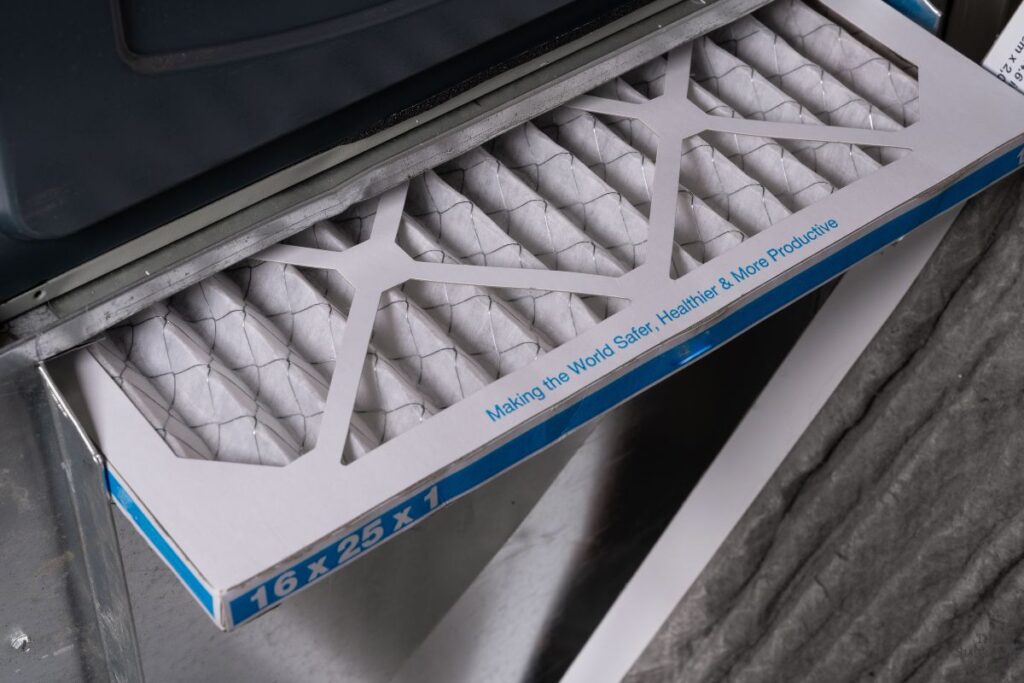
Managing your home’s air quality might sound technical, but it’s actually one of the easiest tasks on this list. You can automate your air quality maintenance by setting a strict schedule to prevent dust buildup and keep your family’s air clean.
Here are the easy steps to put this on autopilot:
Set a recurring alarm: On your digital calendar, set a reminder to check and replace your HVAC filters every three months, or sooner if you have pets.
Replace the filters: When the alarm goes off, swap out the old filters for fresh ones. If you have a reusable filter, clean it using a vacuum or water and let it dry completely before putting it back.
Make it a kid’s job: When your kids are old enough, assign your children to use a permanent marker to write the installation date on the new filters. You can also ask them to take out the old filters and put them in the trash. Just remember to have everyone, including yourself, wear a face mask to avoid triggering those pesky allergies.

Streamline Your Home Maintenance Today
A home operations manual gives every seasonal job a place to live, so you can stop carrying it all around in your head. Everyone can see who’s handling what, and the bigger tasks won’t slip through the cracks. This season, create and use the home operations manual to stay on top of important home maintenance tasks.

Evelyn Long is a home organization writer who helps homeowners and renters maintain a neat space through innovative decluttering tips. She has written for several other publications, including the National Association of Realtors and DecorMatters. She is also the editor-in-chief of Renovated Magazine, where she shares additional tips on decluttering and home organization.
Do you have a home operations manual for your home? If so, let us know how having one has helped you in the comments section below.
Sign up on the form below to get weekly decluttering tips and inspiration sent straight to your inbox. You’ll also get the free 5 Areas to Declutter in 10 Minutes Checklist to help you get started decluttering today.

Join the List
Stay up to date & receive the latest posts in your inbox.