
6 Helpful Tips to Keep High-Traffic Areas in Your Home Clear
Inside: Use these tips to keep high-traffic areas in your home clear so that your space supports your life rather than creating strife.
A guest post by Cora Gold
Have you ever noticed that no matter how much you clean, certain areas of your home seem to collect clutter almost instantly?
The kitchen counter becomes a landing spot for mail. Shoes pile up by the front door. Backpacks, jackets, and everyday essentials seem to gather in hallways and entryways before you even realize it.
These high-traffic areas are where life naturally happens. Because they’re used so often, they’re also the first places to become cluttered, and when they do, your entire home can feel more chaotic than it actually is.
The good news is that keeping these spaces tidy doesn’t require constant cleaning or perfect habits. Often, a few simple systems and small daily routines are all it takes to prevent clutter from piling up in the first place.
When your home’s busiest areas stay clear, everything else tends to feel more manageable too. You spend less time searching for misplaced items, your home feels calmer the moment you walk in, and maintaining a tidy space becomes much less overwhelming.
Read on to discover six practical tips to help you keep high-traffic areas in your home clear, organized, and functional so they work with your daily routine instead of against it.
6 Tips to Keep High-Traffic Areas in Your Home Clear
Use these tips to keep high-traffic areas in your home clear, clean, and organized.
1. Start With a Smart Decluttering Strategy
Keeping your house under control is all about creating purposeful areas and using household organization tools.
Start by decluttering to reduce stress caused by having too many things. It also frees up your time and energy from the constant cleaning and maintenance of the home’s high-traffic zones.
Categorize items as either “Keep,” “Donate or Sell,” “Trash,” and “Relocate.” Get rid of items that do not serve you or your family. Take the slow decluttering approach to prevent overwhelm. Get the whole family involved to help sort items.
Try using the 20/20/20 decluttering technique, where you gather everything you need to throw out for the first 20 minutes of a decluttering session. This will be followed by 20 minutes spent finding items to donate or sell, and another 20 minutes spent reorganizing the room.
2. Manage the Entryway and Mudroom
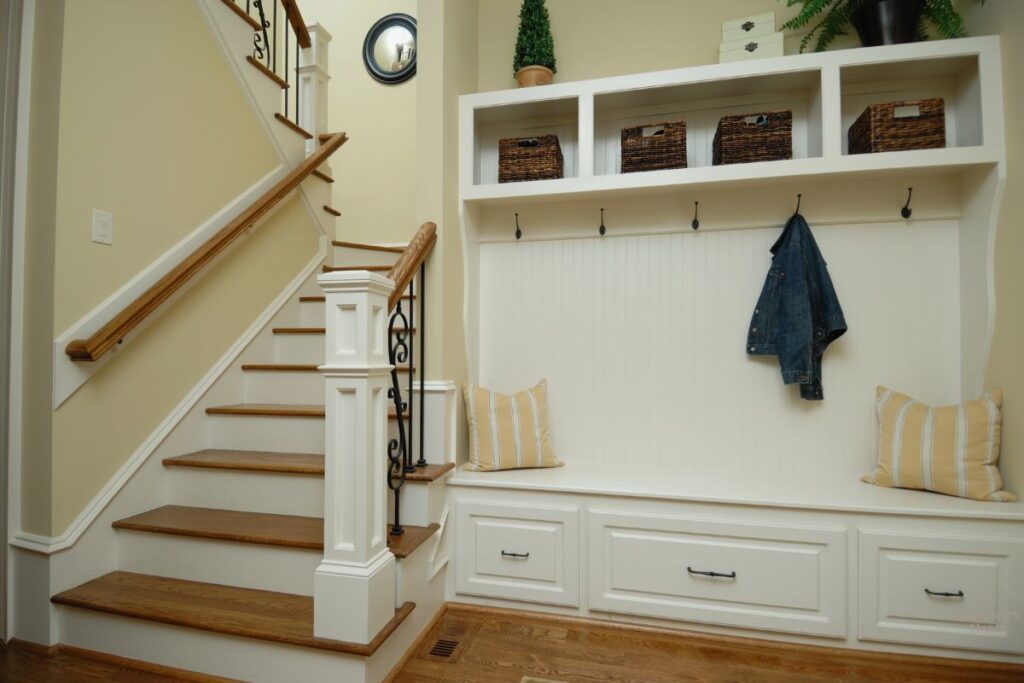
The entryway and mudroom are the first rooms your family and guests encounter. They also store important everyday items such as keys, shoes, backpacks, jackets, and umbrellas.
To manage this zone, set up simple and accessible storage that helps children store their belongings on their own.
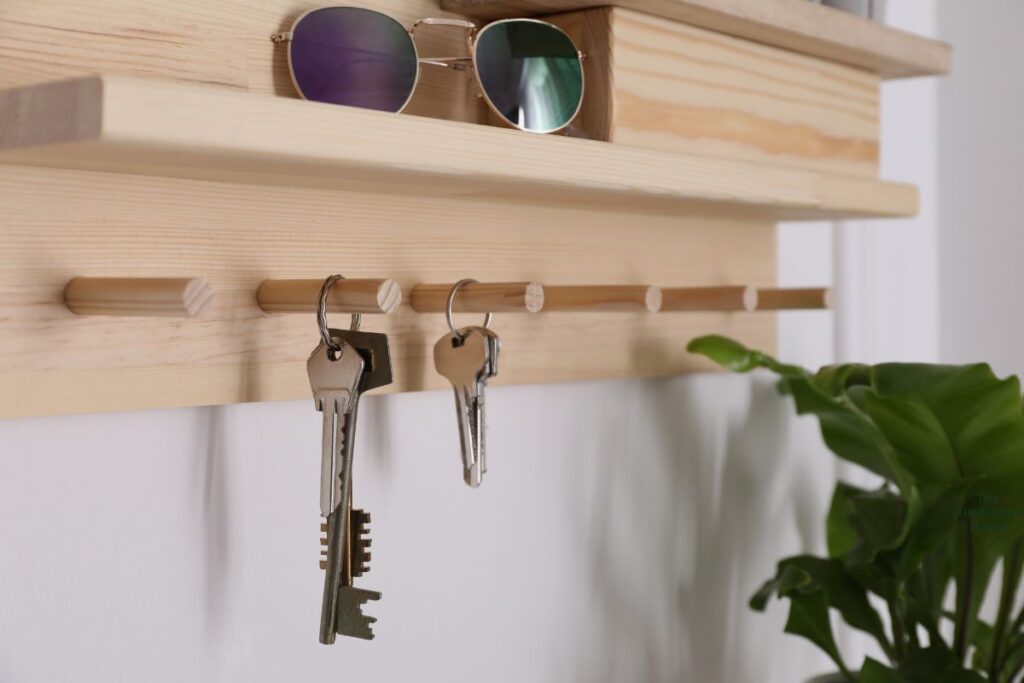
Use systems like open-top bins, low hooks, and designated baskets. Use simple bowls or trays to have drop zones for keys and mail.
These solutions make the area easier to maintain. Getting this area organized and decluttered will save you more time as you get ready to head out of your house.
3. Organize the Kitchen and Clean Consistently
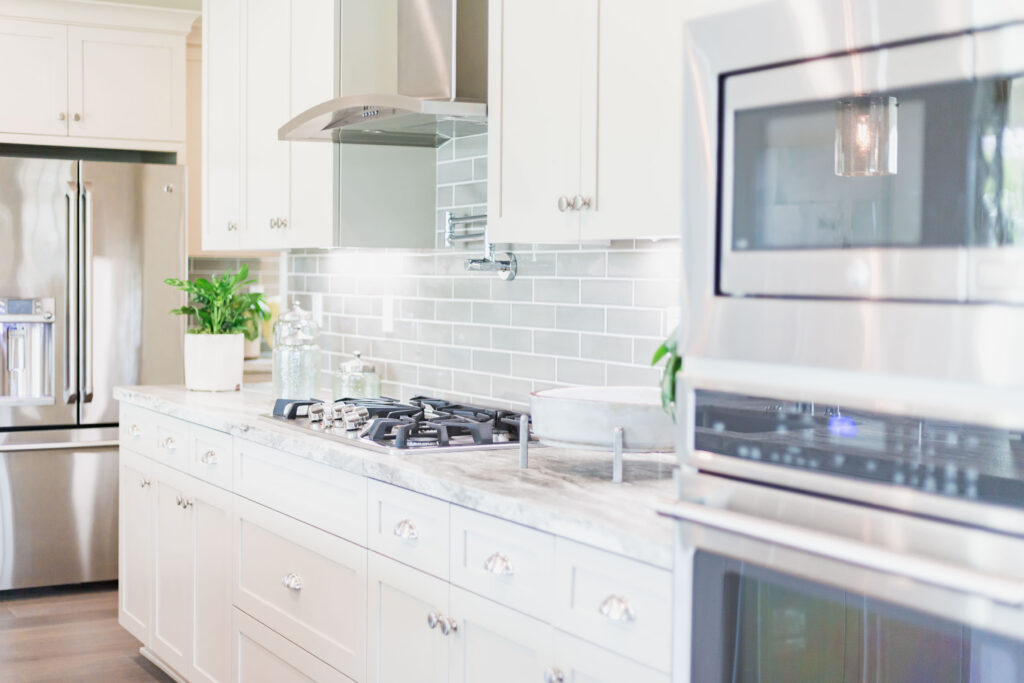
The kitchen is among the busiest areas of the home. To prevent chaos, organize items according to how you use the space.
For example, keep pots and pans near the stove and rarely used appliances inside cabinets. Make sure the counters are clear by using vertical storage, such as stackable containers and hanging fruit baskets.
When it comes to cleaning, treat messes right away. Keep your countertops in good condition by cleaning up spills immediately.
Take a minute or two every day to sweep the floors and banish crumbs before they can attract pests.
These small daily habits will keep your kitchen under control and make for less work when it comes time to deep clean.
4. Tidy Hallways and Main Living Areas
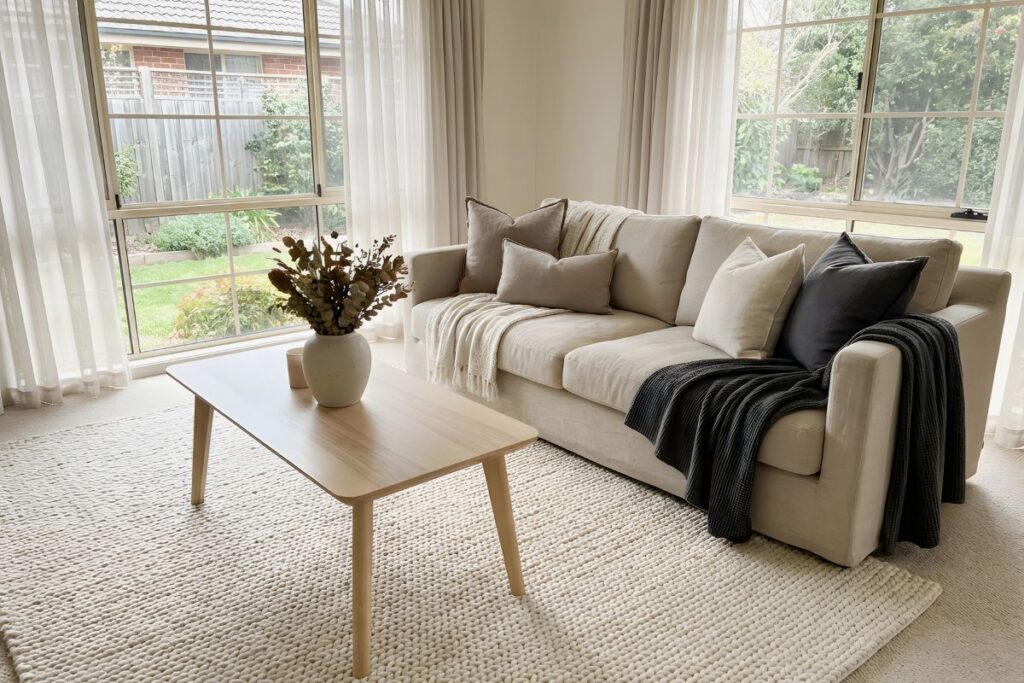
Other high-traffic zones, such as hallways and living rooms, frequently accumulate clutter. To prevent this, ensure that daily and in-season items are accessible.
Create permanent “homes,” such as toy baskets, art supply bins and bookshelves, for items in these areas. Spend a few minutes each night doing a daily reset by clearing and placing things back where they belong.
Out-of-season items should be stored away in labeled containers.
You can also use slim furniture to ensure a wide hallway walkway and dual-purpose furniture in the main living areas. Some examples include ottomans and benches with storage, nesting tables and fold-down desks.
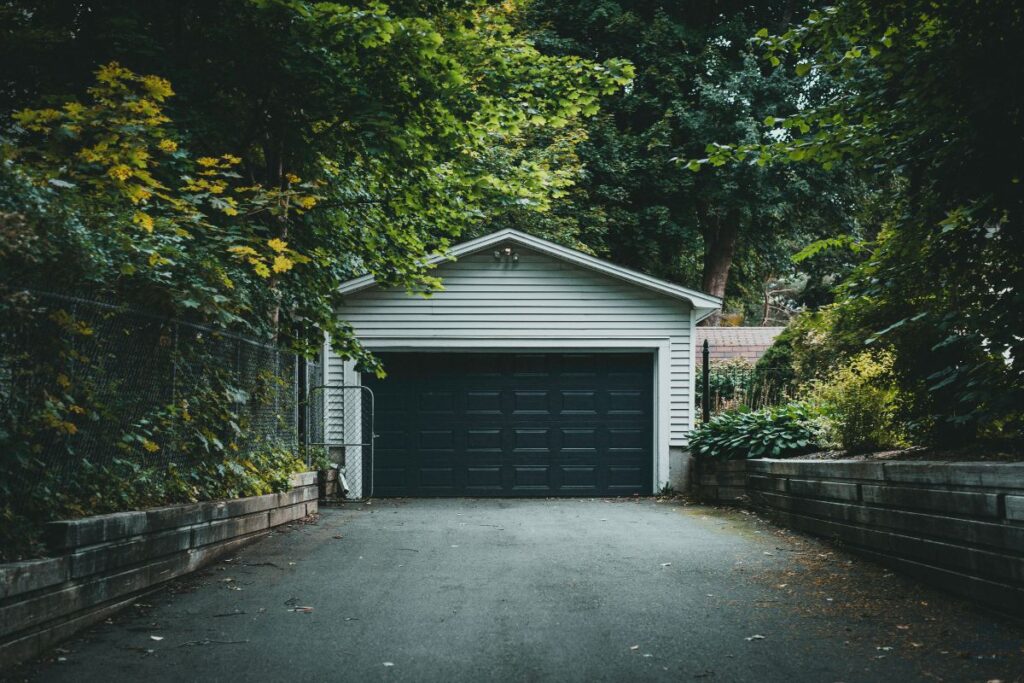
5. Systematize the Garage
A systematic approach can transform a cluttered garage into a functional space. Use clear and uniform storage bins to maintain a clean look. These should be clearly labeled so you don’t waste time finding seasonal gear, cleaning supplies, garden tools, or sports equipment.
To maximize your space, think vertically. Wall-mounted shelving and pegboards are great solutions for storing tools like hammers and screwdrivers and keeping them easily accessible.
For even more storage, consider a slatwall system for hanging larger items, or install overhead ceiling racks for bulky but lightweight things like holiday decorations or camping gear. This gets items off the floor.
It also helps to divide your garage into logical zones. Designate specific areas for different categories, such as a gardening corner, a car care station, and a workshop zone.
This makes it intuitive to find what you need and, more importantly, to put it back.

6. Optimize Your Furniture Layout for Better Flow
The way you arrange your furniture is fundamental to managing high-traffic zones. Rooms can be arranged to improve flow and reduce chaos.
Start by recognizing the natural pathways people take and avoid placing furniture in these areas. Clear this area so people can walk through it freely without being blocked or bumped, which also discourages clutter from accumulating in walkways.
After that, choose a focal point in the room that will guide the arrangement of the rest of the furniture. This could be a fireplace, a bed, a shelf, or a desk. Rugs can be used to delineate a specific area and group together furniture.
Furniture should be an inch or two away from the wall to create a floating effect that makes the space look bigger. Clear tables and mirrors also give the illusion of a brighter and larger room. Light wallpapers, lamps, and decoration can also affect your mood and enhance the feel of a room.
Try experimenting with different layouts, and you might be surprised by how a small change can bring dramatic results.
How to Keep High-Traffic Zones Clear and Clean with Safe Solutions
Cleaning should be done with pet- and child-safe cleaning products. Many products use harsh chemicals that may be detrimental to your family’s health. They can irritate your eyes, skin, and respiratory system, among other health issues.
Avoid greenwashed products that appear safe but lack substantial scientific evidence. Look beyond marketing terms and choose products certified under the Safer Choice program, managed by the Environmental Protection Agency.
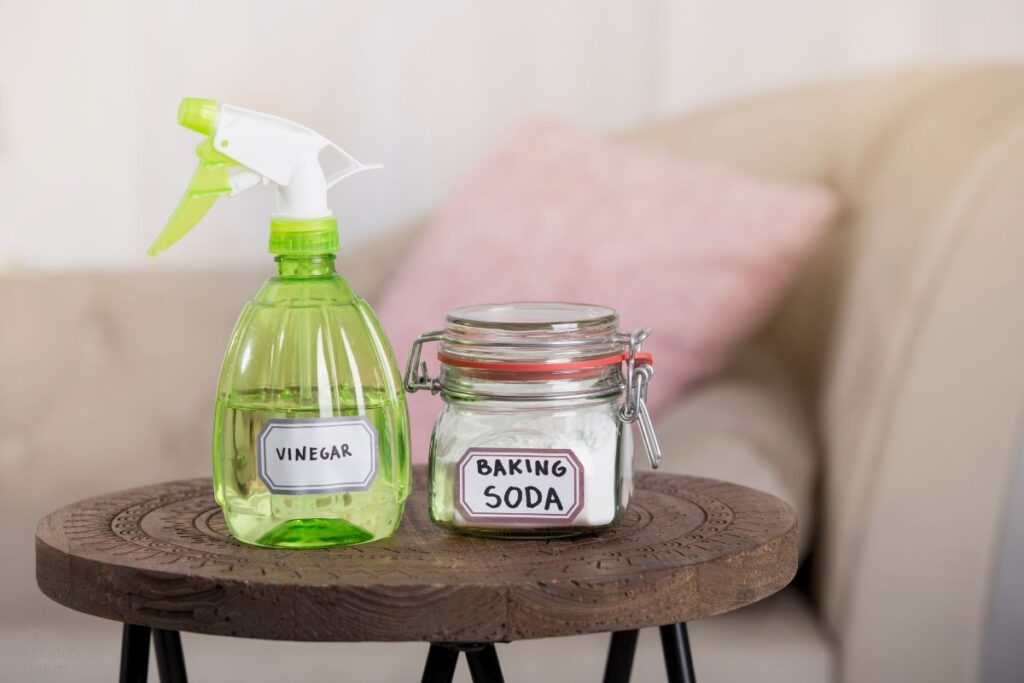
Open windows to ventilate the house and prevent the accumulation of volatile organic compounds from harsh cleaning products. You can also opt for safer minimalist cleaning solutions, such as a spray bottle of vinegar and water, to remove grease.
Use mats by entrances to trap dirt before it enters and drops onto your floor. You should also clean stains right away to prevent them from setting in the material, whether on rugs or other surfaces.

Maintaining a Tidy Home With Simple Daily Habits
Knowing how to keep high-traffic zones clean is essential for busy days. It helps family members navigate spaces more effectively and find the items they need more easily.
You can start by decluttering items you no longer need. The fewer objects you have, the less time and energy you spend tending to the inevitable daily clutter that accumulates. Then, adopt tidying habits to help you maintain a clean and organized space.

Cora Gold is the Editor-in-Chief of Revivalist magazine. She loves writing about family and living life to the fullest. Follow Cora on Twitter, Facebook and Pinterest.
How do you keep high-traffic areas in your home clear? Let us know in the comments section below.
Sign up on the form below to get weekly decluttering tips and inspiration sent straight to your inbox. You’ll also get the free 5 Areas to Declutter in 10 Minutes Checklist to help you get started decluttering today.

Join the List
Stay up to date & receive the latest posts in your inbox.