
Grief & Decluttering: How to Sort Through Stuff After Loss, Divorce, or Chronic Illness
Inside: Learn about grief and decluttering, and how to sort through stuff after loss, divorce, or chronic illness.
A guest post by Rose Morrison
Sorting through personal belongings after a loss, divorce, or the onset of a chronic illness feels much different than an ordinary closet cleanup.
When objects carry the weight of shared memories, past identities, and physical changes, just holding them can bring overwhelming feelings of grief.
Learning how to declutter sentimental items takes a much different mindset than standard organizing advice can offer.
Be gentle with yourself as you follow this process. A roadmap can help you honor your feelings and move forward on your own terms.
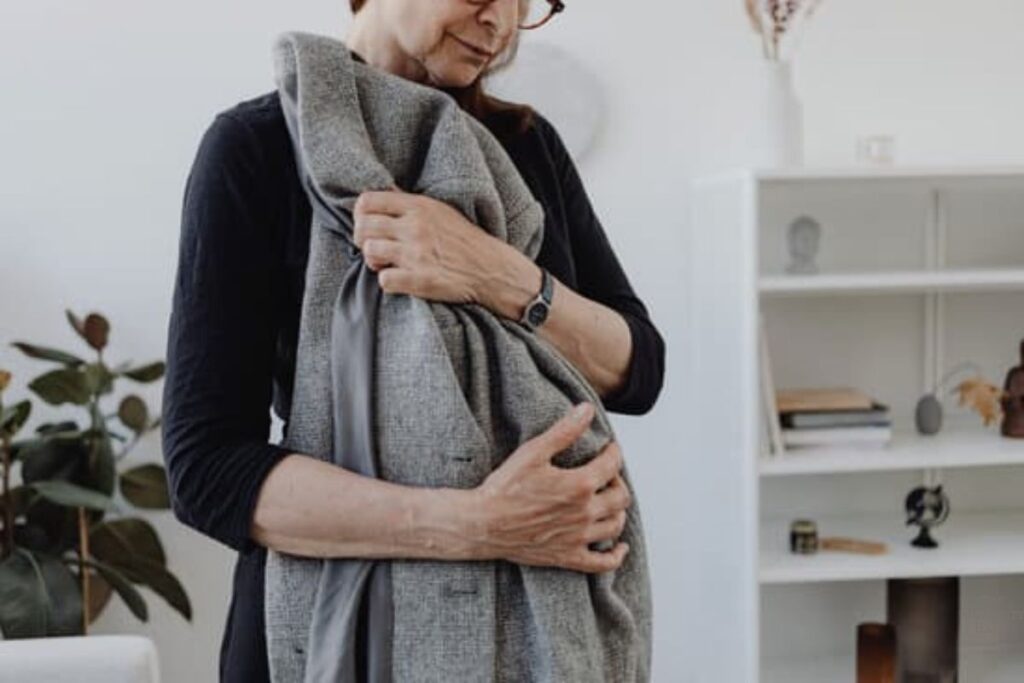
Grief & Decluttering: Why Sentimental Clutter Feels So Different
Everyday clutter, from junk mail to outgrown gadgets you bought on impulse, is much different than those sentimental items you hold so dear. Meaningful clutter belongs to a different emotional category because it’s anchored in your personal history.
An old coffee mug is more than just a ceramic object. It might represent slow Sunday mornings with someone you long for, a home you no longer share, or a season of your life when your health was in a very different state.
Releasing these objects can feel like severing the connection you held to them, or admitting that a chapter of your life has closed. Mainstream minimalism often promotes speed and radical transformations.
Popular frameworks tell you to hold each possession, determine if it brings delight, and discard without a second thought. While this fast-paced approach can work wonders for everyday clutter that accumulates over time, the theory falls apart when applied to grief.
Even logically structured organizing advice like the 12-12-12 method may not work for sorting through sentimental items. Forcing quick decisions on meaningful items during a major transition in your life can bring on decision fatigue, overwhelm, and regret.
When your life has been turned upside down, the last thing you need is an arbitrary timer telling you how quickly to part with pieces of your past.
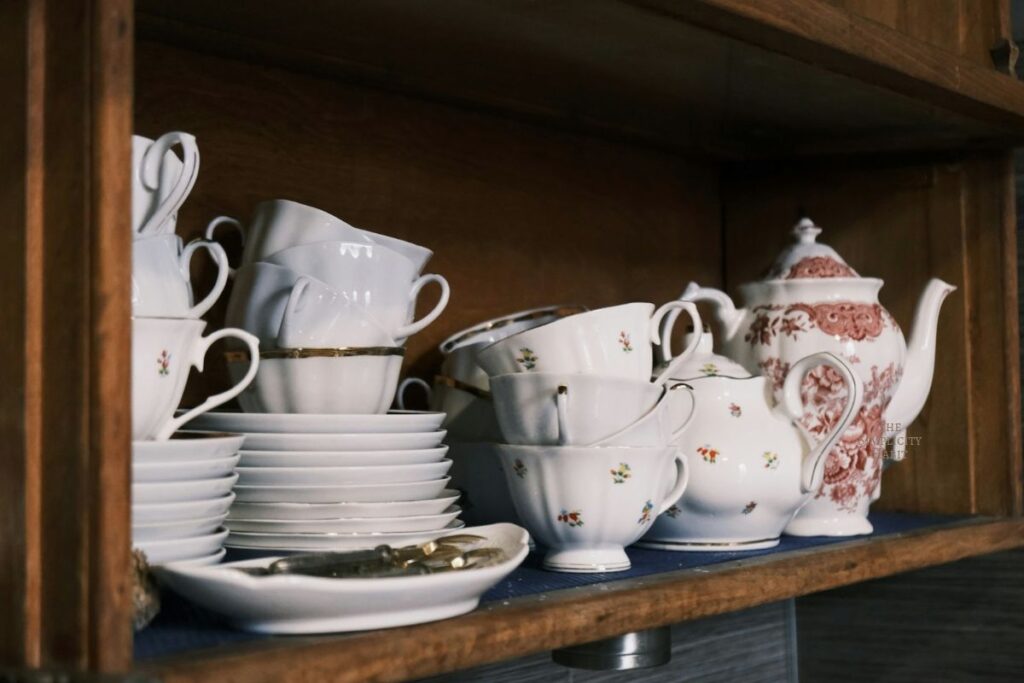
How to Let Go of Sentimental Items at Your Own Pace
You don’t have to decide the fate of your entire home in a single afternoon. Letting go of sentimental items starts with asking yourself questions and understanding the bonds keeping those items in place.
According to recent research on loneliness and clutter, people experiencing emotional isolation often form stronger attachments to possessions, viewing objects as extensions of their identities.
Rather than thinking about what you need to throw away, try shifting the question to how you’ll cultivate an environment that supports your current daily reality and choose what you fill that space with accordingly.

Grief & Decluttering: How to Declutter After a Death
Facing the possessions of someone who passed away takes immense strength, patience, and self-compassion.
Keep in mind that a cluttered space can quietly affect your mental health by increasing stress during an already fragile season. Easing into processing these excess items may restore some calm.
You can try to:
Start with utility items: Sort through expired medications, half-empty toiletries, pantry staples, and basic paperwork. Decluttering basic items can help you start slowly and build momentum that sustains you in your grief.
Curate a dedicated memory container: Instead of trying to keep everything, choose a decorative chest or storage box. Inside, place signature pieces that represent your loved one, such as a favorite watch, a handwritten recipe card, or a cozy cardigan.
Preserve memories through photography: If an item is too bulky to store or belongs to a category you can’t realistically keep, take a photograph of it. Create a dedicated digital photo album or print a memory book so you can revisit the memory whenever you wish.
Distribute heirlooms to family and friends: Offering meaningful pieces to close relatives, neighbors, or community organizations can bring comfort at this time. Knowing an item will be cherished by someone else can transform a painful decluttering process into an act of remembrance.

Grief & Decluttering: Decluttering After Divorce
A separation forces you to renegotiate the space you once shared with a partner. As you declutter, it can feel like establishing boundaries between your former relationship and your emerging personal identity.
You can focus on ways to:
Evaluate shared wedding items and gifts: Keeping registry appliances or framed wedding portraits may keep you emotionally anchored to an era that has ended. Donate items that trigger bittersweet or resentful memories and replace them with ones you choose on your own.
Reclaim your personal space: Rearrange furniture, hang artwork that reflects your individual aesthetic, and repaint walls in colors that bring you joy. Small physical changes like this can help reinforce that your home belongs to you and your future.
Establish a transition box: If deciding what to do with lingering photos, love letters, or travel souvenirs feels too painful, place them in an opaque tote. Seal the bag and keep it out of sight in a closet or attic to revisit when your emotions feel more grounded.
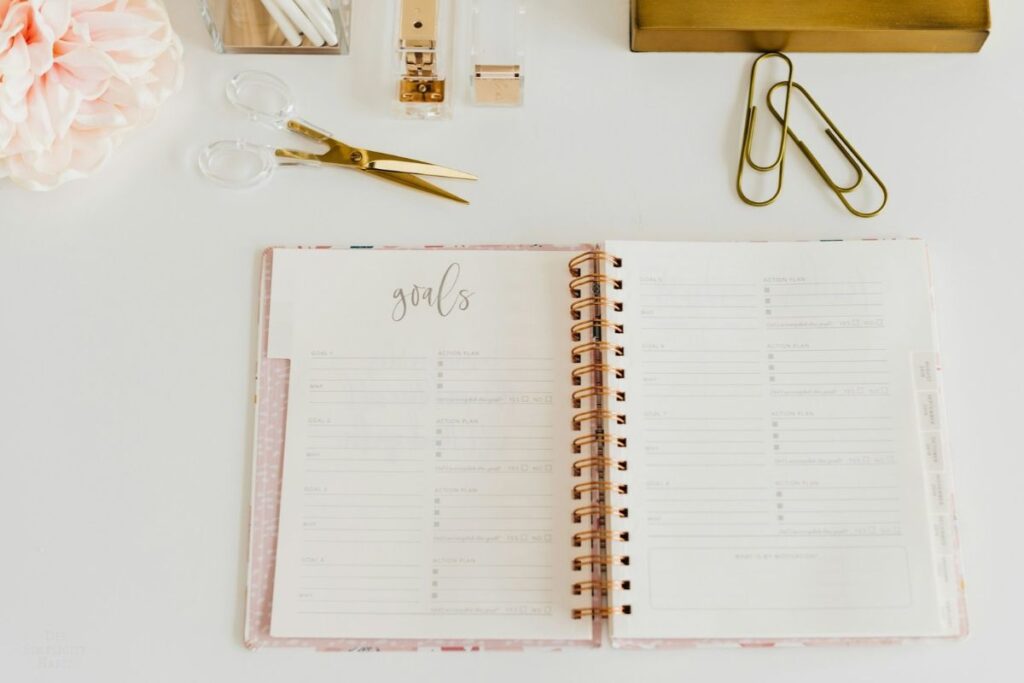
Give Yourself a Realistic Timeline
Grief stretches your emotional reserves thin, making your mental endurance feel far shorter than usual.
Sorting through sentimental belongings means making dozens of small, meaningful “keep or let go” decisions, and even professional movers acknowledge that this kind of repeated decision-making can be mentally exhausting, especially the more you do it.
Pace yourself the way you would a physical move and break large rooms into microprojects, like a single nightstand drawer or a specific closet shelf, working in short increments.
Give yourself plenty of time so you don’t feel rushed and every decision feels deliberate and peaceful.

When to Bring in a Trusted Helper
Sorting through emotionally charged belongings on your own can feel overwhelming, sometimes leading to a loop of reminiscing and hesitation. Bringing in someone you trust to ground you can help change the emotional dynamic.
Choose a supportive friend, a calm family member, or someone who has no personal stake in the items.
A great helper can hand you things one at a time, bring you water, and lend emotional support when needed. Most importantly, make sure your helper respects your autonomy by never pressuring you to discard anything before you’re ready.

How to Simplify When You’re Living With Chronic Illness
Decluttering while you have health challenges can feel overwhelming when your energy shifts from day to day. Simple tasks may feel much harder to accomplish, but there are ways to adapt your sorting routine and make the process a little easier on you.
You can take time each day or session to:
Honor your physical limits: Work in ten-minute blocks while sitting comfortably on the floor or in an ergonomic chair. Stop right away if you feel any fatigue and celebrate the small wins and progress you make rather than fixating on what’s unfinished.
Focus on high-friction areas: Extend your limited energy to the spaces that affect your comfort, such as the medicine cabinet, the kitchen counter, or the pathway beside your bed. Decluttering these daily obstacles can help you conserve your energy for healing.
Use easy-access storage: Swap out heavy lids for low-profile, open baskets, sliding pull-out shelves, and clear containers. Make storage easier, so your essential items are within arm’s reach.
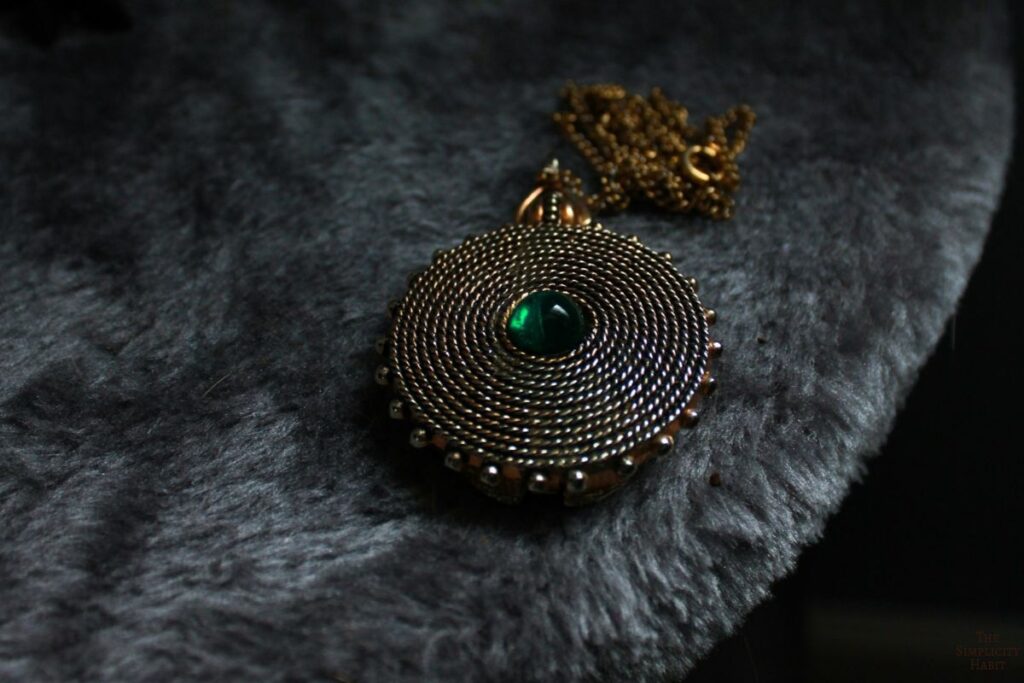
Grief & Decluttering: You’re Allowed to Let Go, One Item at a Time
Letting go of physical items doesn’t mean you’re erasing memories from your heart or discounting a life you previously lived.
Your past lives in so much more than objects, and your remembrances live on within your heart and the stories you carry forward. By treating decluttering as a patient companion to your healing process, you create breathing room for peace and rest.
So, take a deep breath and start small. Trust that you can curate a home that honors your past while welcoming a bright new chapter.

What’s your experience been with grief & decluttering? Share your best tips in the comments section below.
Sign up on the form below to get weekly decluttering tips and inspiration sent straight to your inbox. You’ll also get the free 5 Areas to Declutter in 10 Minutes Checklist to help you get started decluttering today.

Join the List
Stay up to date & receive the latest posts in your inbox.