
Why Drop Zones Are the Best Fix for ADHD-Friendly Home Organization
Inside: Discover what drop zones are and why they are the best fix for creating an organization system in families with ADHD.
A guest post by Rose Morrison
For many people with ADHD, clutter isn’t usually caused by laziness or a lack of effort.
In fact, it often develops because everyday items don’t have an easy place to land.
The mail comes in and ends up on the counter. Keys get set down wherever your hands happen to be free. Bags, shoes, jackets, and paperwork can quickly accumulate in the spots where life naturally happens.
Before long, those small piles begin to spread throughout the house, creating visual clutter that can feel overwhelming and make it harder to focus.
The frustrating part is that traditional organizing advice often assumes people will consistently put things away in their designated locations. But for many ADHD brains, if a system requires too many steps or too much effort, it’s unlikely to last.
That’s why ADHD-friendly organization isn’t about creating perfect systems. It’s about creating realistic ones.
One of the simplest and most effective solutions is something professional organizers often call a drop zone.
In this post, we’ll explore what drop zones are and why they are one of the best organization tools for people with ADHD and how a few simple adjustments can help you create systems that actually work in real life.
What Are Drop Zones?
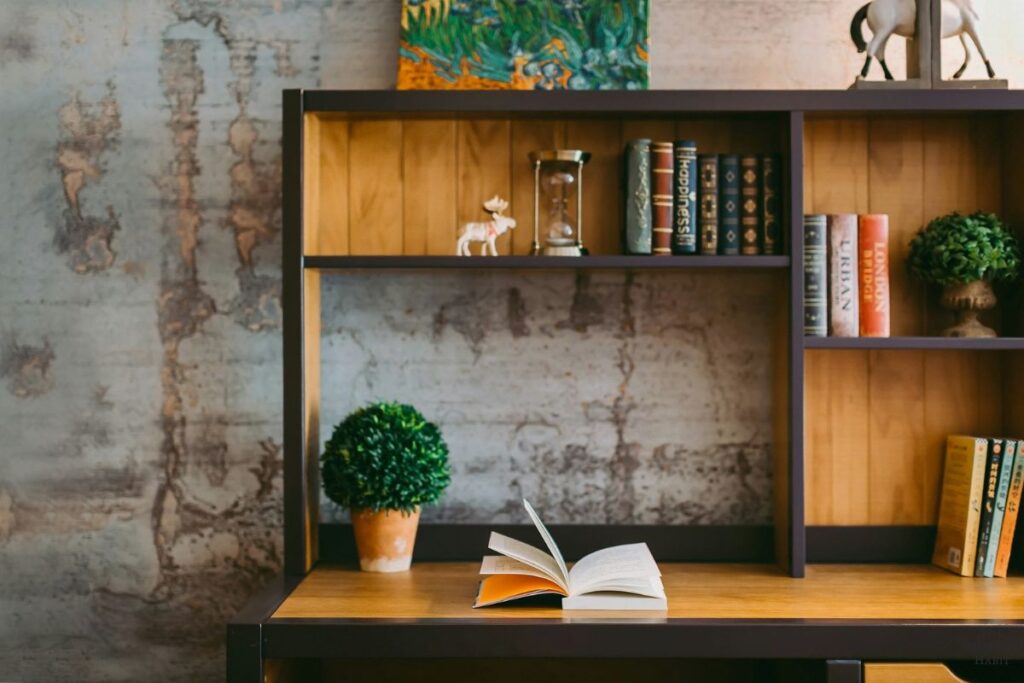
A drop zone is a designated location where frequently used items naturally land when you enter or leave a space.
Instead of fighting clutter after it appears, you create intentional places for common household items before clutter becomes a problem. A tray for keys, hooks for bags and jackets, or a basket for incoming mail can all function as drop zones.
The concept works because it aligns with existing habits. People naturally set things down when they walk through the door, finish an activity, or move between rooms.
Drop zones capture those habits and channel them into organized spaces.

How to Implement the Zone Design System
Here are some useful ADHD organization tips to build a home that feels easier to maintain and less overwhelming to navigate.
1. Identify Your Family’s Clutter Patterns
Before buying bins, baskets, or storage containers, observe your home. Pay attention to where clutter gathers throughout the week. Those locations reveal your family’s natural movement patterns.
Entryways, garages, counters, and laundry rooms are some of the most common clutter hot spots because families interact with these spaces multiple times every day. They often mark the exact locations where a drop zone can make the biggest difference.
2. Create a High-Functioning Entryway Drop Zone
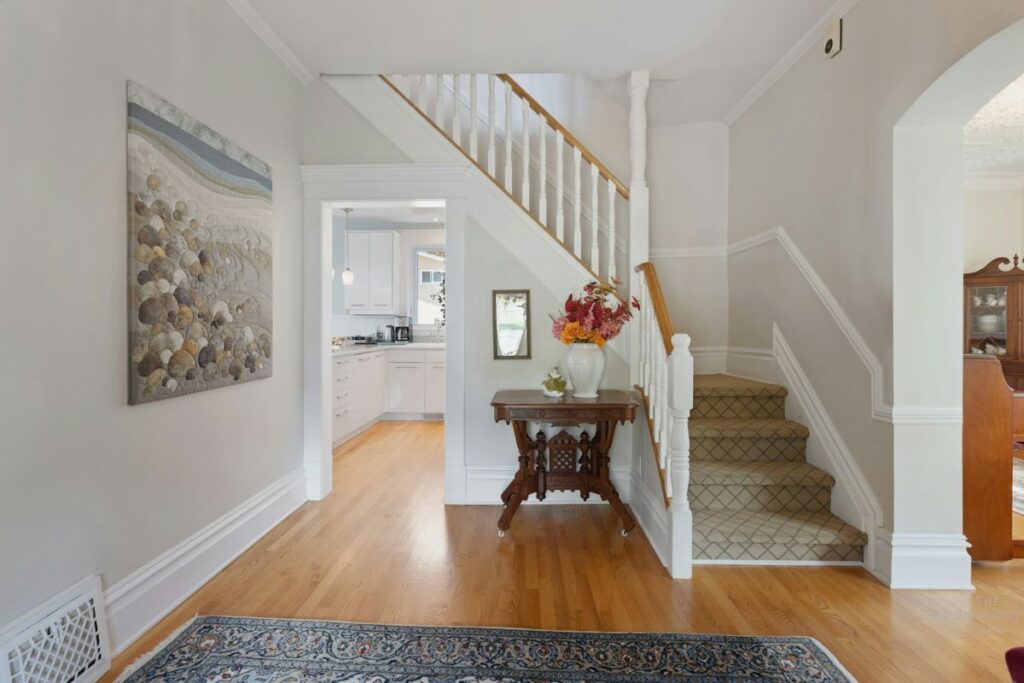
The entryway serves as the command center of most households. Family members pass through it several times a day while carrying bags, jackets, lunch boxes, sports equipment, and paperwork.
Without a system, these items quickly spread into nearby rooms.
An entryway drop zone helps accommodate the items your family uses most frequently. A tray provides a dedicated location for keys. A basket can hold shoes, hats, or seasonal accessories.
Wall hooks at different heights allow both adults and children to quickly access their bags and coats. A shoe basket near the door often proves more effective than a closet farther away because it aligns with existing habits.

3. Build Drop Zones Around Daily Activities
Many families may focus exclusively on the front door while overlooking other clutter-producing areas. An effective strategy involves creating smaller drop zones throughout the home based on specific activities.
A homework station can store school supplies and completed assignments, while a charging station can contain phones, tablets, and power cords. A pet-care area can hold leashes, treats, and grooming supplies.
The kitchen often benefits from a command-center drop zone that includes a visible calendar, incoming paperwork, and school schedules. Bedrooms can also include simple landing zones for tomorrow’s outfit, books, jewelry, or chargers.
How Natural Materials Can Create Calmer Drop Zones
Biophilic design can complement ADHD home organization by making it feel calmer and easier to navigate during busy transitions.
Biophilic design goes hand in hand with the “raw luxury” trend, which focuses on incorporating natural, minimally processed materials such as textured stone, unfinished wood, and living plant walls to create a stronger connection between indoor spaces and the surrounding environment.
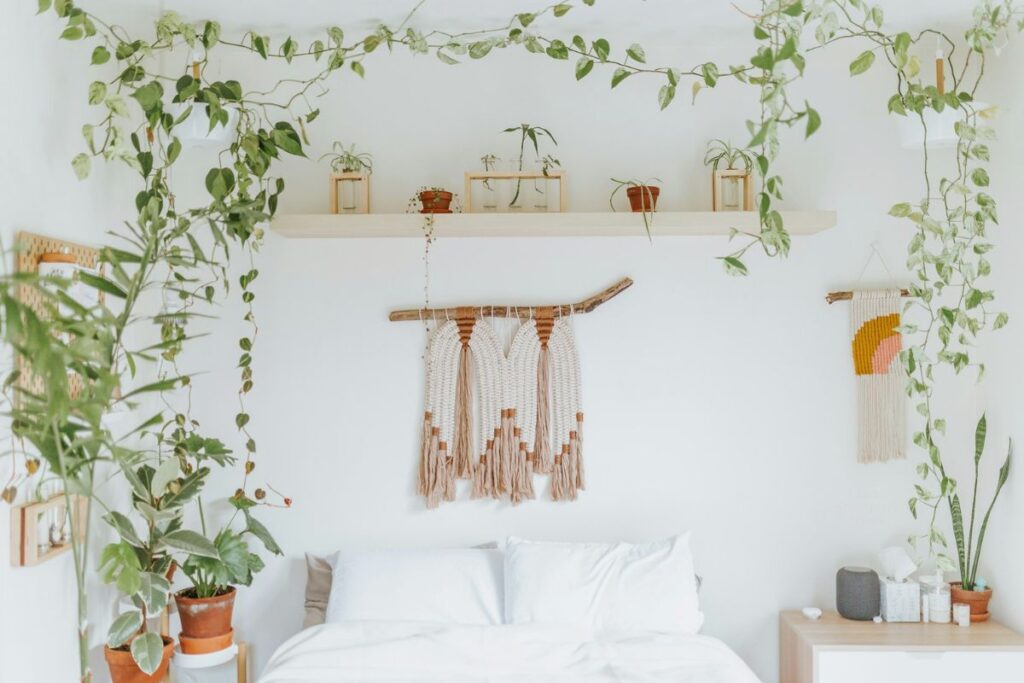
Consider using wooden hooks for backpacks and jackets, woven baskets for shoes, cork boards for reminders, or ceramic trays for keys and sunglasses. These materials add warmth and texture while helping storage solutions blend naturally into your home.
Natural elements can also reduce visual overwhelm. Many people with ADHD find highly stimulating environments distracting, especially in areas that already experience a lot of activity. A cohesive palette of brown, green, and blue tones can lower visual clutter for neurodivergent minds.
Plants provide another simple way to enhance a drop zone. A low-maintenance pothos near the entryway, a small herb plant in a kitchen command center, or a succulent on a bedside landing zone can add life and personality to functional spaces.

Why Decluttering Comes Before Organizing
Visual clutter can easily divert your attention from important tasks, making it harder to concentrate and work efficiently. This is especially relevant for people with ADHD, since reducing distractions is a helpful approach.
Clutter is also impractical. Every item in your home requires attention, storage space, and maintenance.
The more possessions you own, the harder organization becomes so focusing on decluttering more is helpful.
Before establishing new drop zones, remove items your family no longer uses, needs, or enjoys. Look for places in your area that accept donations.
Why Neurodivergent Organization Looks Different
ADHD affects attention, organization, impulse control, and activity levels. While many people occasionally experience these challenges, individuals with ADHD experience them more frequently across different areas of life, including at home, school, and work.
These symptoms can make it difficult to complete tasks, maintain relationships, and manage daily responsibilities.
Ultimately, they make organizing for ADHD harder. A backpack stored in an upstairs closet may never make it past the dining room chair. Keys assigned to a drawer may end up on the kitchen counter because that location feels more convenient during a busy morning.
Many people with ADHD also rely on visual cues. When important items disappear behind cabinet doors or inside storage bins, they can become easier to forget. Open hooks, trays, baskets and clearly visible storage solutions reduce the effort required to remember where things belong.
The most effective ADHD organization systems simplify decisions and support existing habits. Rather than expecting family members to follow complicated routines, they make the organized choice the easiest one.
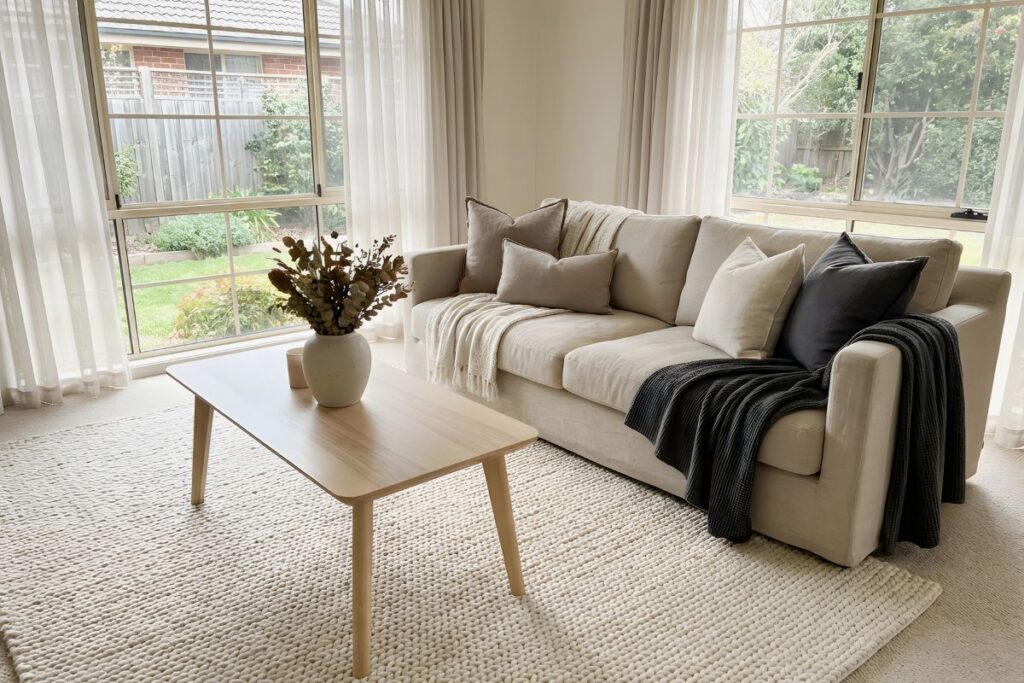
Creating a Home That Works With Your Brain
Systems that support daily habits and reduce unnecessary obstacles can create a functional home. Drop zones simplify decision-making, improve visibility, and reduce the mental effort required to keep a household running smoothly.
When your home supports your habits instead of fighting them, maintaining order becomes easier and intentional living becomes more achievable.

Check out these posts for additional resources
- 5 Simple Ways Neurodivergent People Can Conquer Clutter
- Decluttering with ADD or ADHD: 6 Tips to Help You Get Focused
- How the Proven ‘Sunday Butterfly Method’ Makes Cleaning Doable
What do you think about the drop zone approach? Let us know in the comments section below.
Sign up on the form below to get weekly decluttering tips and inspiration sent straight to your inbox. You’ll also get the free 5 Areas to Declutter in 10 Minutes Checklist to help you get started decluttering today.
Join the List
Stay up to date & receive the latest posts in your inbox.