
How Influencer Pantry Goals Are Misleading You About Real Time and Cost
Inside: Learn how influencer pantry goals are misleading on the time and cost it takes to create and maintain.
A guest post by Rose Morrison
Have you ever watched a pantry makeover online and wondered how some people manage to keep every shelf perfectly arranged, with matching containers, beautiful labels, and not a single package out of place?
Those picture-perfect pantries can make an ordinary kitchen feel a little less organized by comparison. But what we often don’t see in those videos and photos is the time, money, and ongoing effort it takes to create and maintain those spaces.
An organized pantry should make everyday life easier, not give you another project to manage. You don’t need expensive containers or a perfectly coordinated system to keep your food accessible and your shelves functional.
In this post, we’ll look at how influencer pantry goals can be misleading about the real time and cost involved, and how to create a practical pantry that works for your home and your budget.
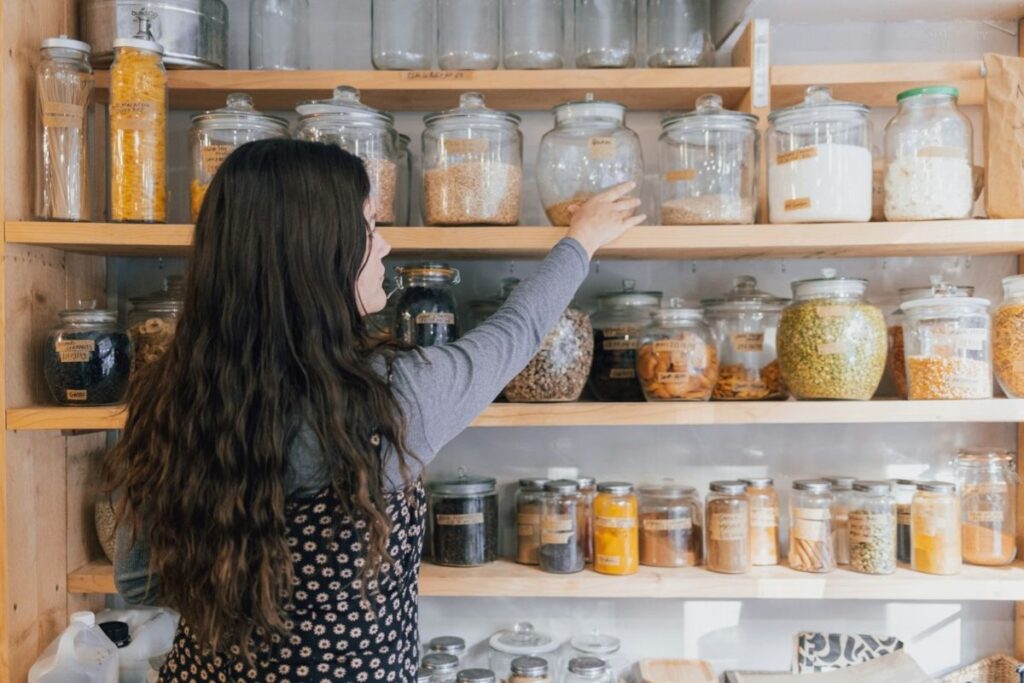
How Much Does It Cost to Organize a Pantry?
The total cost for organizing the pantry depends on its size, the types of containers you choose and the extras you include, like labels or shelf organizers.
You can enjoy the look of matching containers while being selective about where you use them. On four or five shelves, calculate the cost of each item before purchasing.
Dry goods: Airtight canisters give your flour, sugar and oats a home, so choose sizes that suit what you buy.
Snacks and packets: Pull-out bins and dividers offer another option when keeping food in its packaging works best.
Shelf accessories: Turntables and risers add to the total, making it worth checking which shelves actually need them.
Matching labels: Sticker sheets, pens and clips are finishing touches you can include if they feel useful.
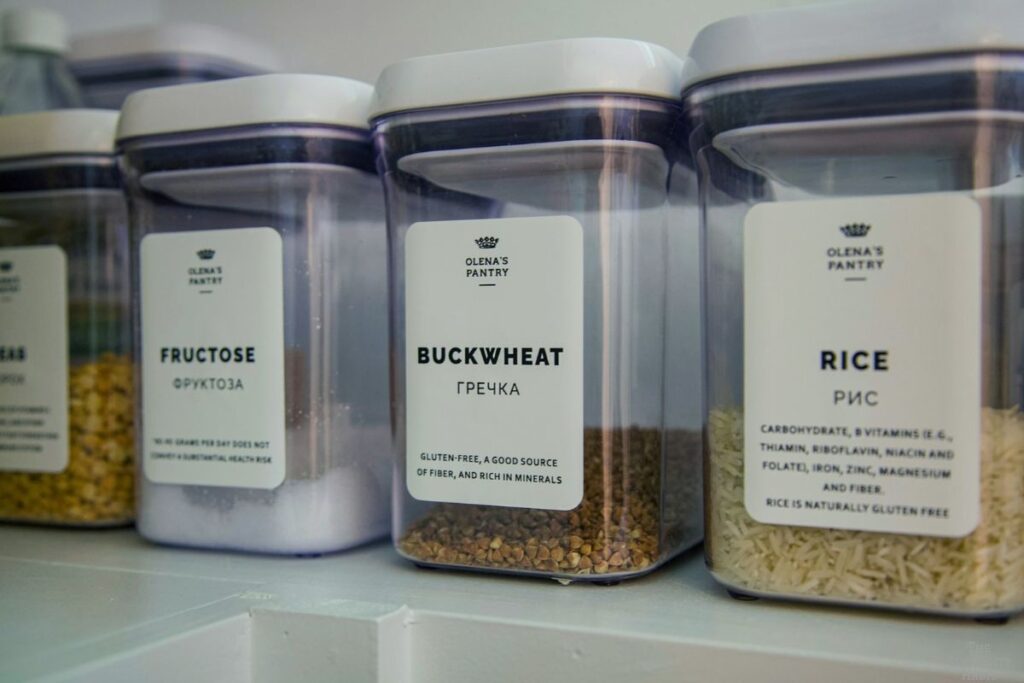
For a hypothetical five-shelf pantry, spending $40 per shelf means $200 up front. With a weekly grocery budget of $150, that setup costs more than a week’s worth of groceries.
Pricing it this way gives you a clear basis for choosing where to spend. Check the usable container capacity against your usual purchases, since a package’s weight doesn’t indicate whether its contents will fit.
Keep in mind that social media influencers often showcase products they’ve received for free, which may lead to setups that aren’t practical or affordable for everyone. Focus on ideas that address your household’s daily routine and budget, adapting inspiration to your own space rather than following trends exactly.
Beyond cost, there’s a meaningful environmental benefit to effective pantry organization. The Environmental Protection Agency estimates that a household of four discards approximately $2,913 annually in uneaten food, including purchases for home and away. That’s about $56 weekly.
Food waste is responsible for one-quarter of landfill space, so keeping food visible and accessible helps reduce your household’s environmental impact.
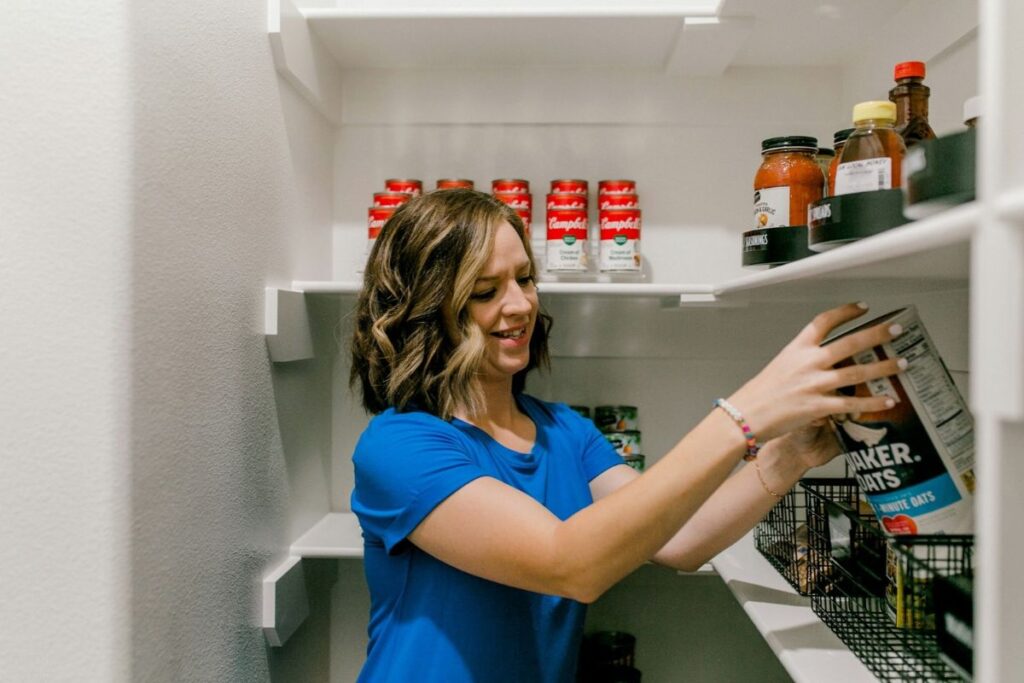
How Long Does It Take to Organize a Pantry?
The length depends on the size of your pantry and the extent of the changes you want. The process involves emptying shelves, cleaning, checking dates and measuring spaces to ensure everything fits.
If time is short, take a shelf-by-shelf approach instead. After you put everything in place, streamline restocking by establishing these habits:
Unpacking: Sort purchases while checking what you already have and what needs to be used first.
Preparing containers: When jars need washing, clean them and let them dry completely before refilling.
Transferring food: Pour ingredients into containers, then clean the funnels and any spills.
Managing overflow: Give the rice or pretzels left in the bag an accessible home.
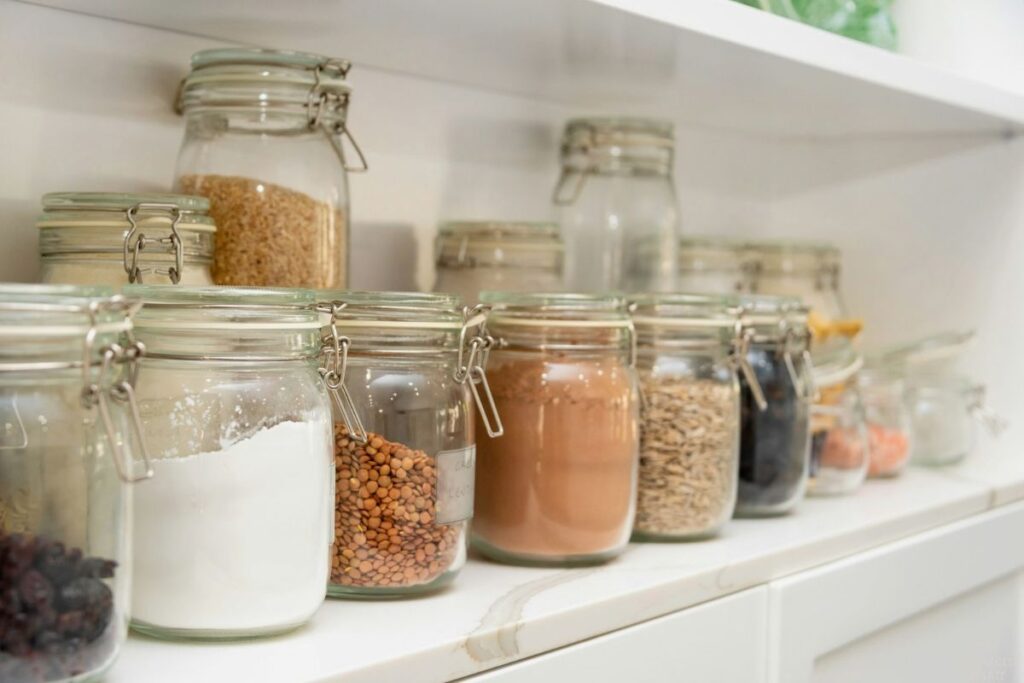
What Are the Downsides of Decanting Food Into Containers?
Although decanting food into jars gives your pantry a uniform and tidy look while helping ingredients stay fresh, it also creates a risk. Original packaging is where you’ll find essential product details.
Keeping this information close at hand ensures you can always check ingredients, cooking times or contact details if needed.
Before recycling any packaging, set aside:
Cooking instructions: Keep the preparation directions and the manufacturer’s contact details handy for the next time you need them.
Ingredients and allergens: Retain the full ingredient list and allergen warnings, particularly when trying different brands.
Product codes and dates: Save the product name, barcode, lot code and printed date. The Food and Drug Administration explains how these details help you identify products affected by recalls, making them worth keeping with the food.
A simple way to retain this data is to cut out a panel from the package or to take a clear photo before discarding it. Match the information with each refill or new batch stored in your jars for accurate monitoring.
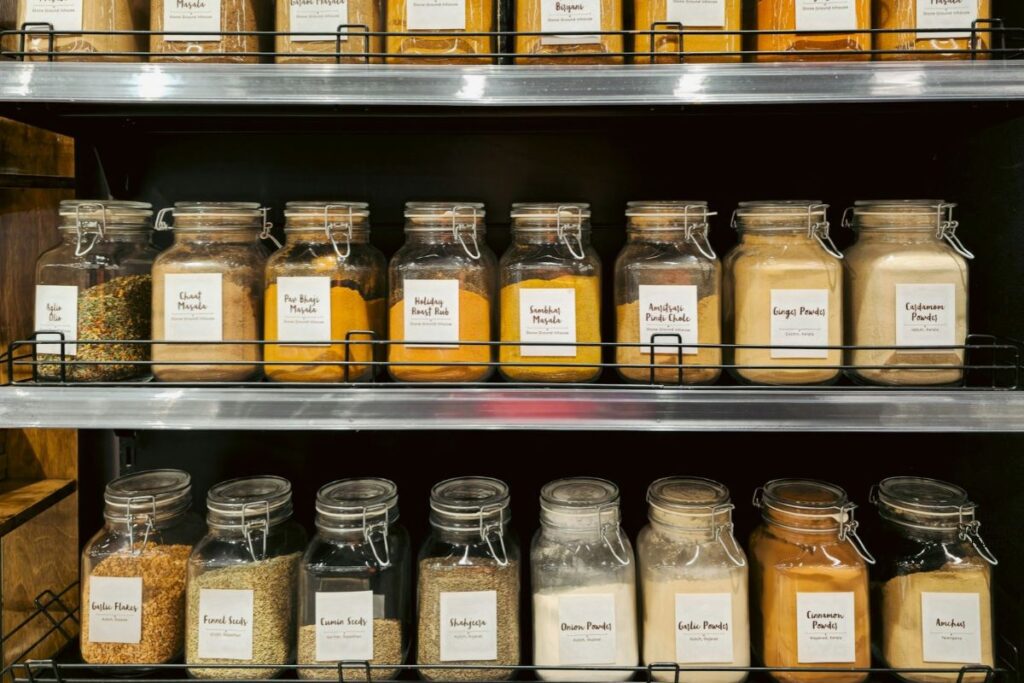
How to Decant Effectively
Always ensure containers are spotlessly clean and thoroughly dry before refilling. This is especially important because factors like moisture exposure are why flour clumps in storage. Even within an organized pantry, flour and powdered foods are highly sensitive to humidity.
If containers aren’t airtight or if condensation sneaks in during transfers, clumps and caking will occur. Store these items in well-sealed containers placed in the driest part of your pantry to help prevent this common problem.
For best freshness and safety, allow containers to empty completely before washing and refilling. This keeps ingredients rotating, so older food is used first, and helps you keep an eye on potential issues like clumping or staleness.
When possible, store separate batches individually so nothing outdated remains hidden beneath new additions.
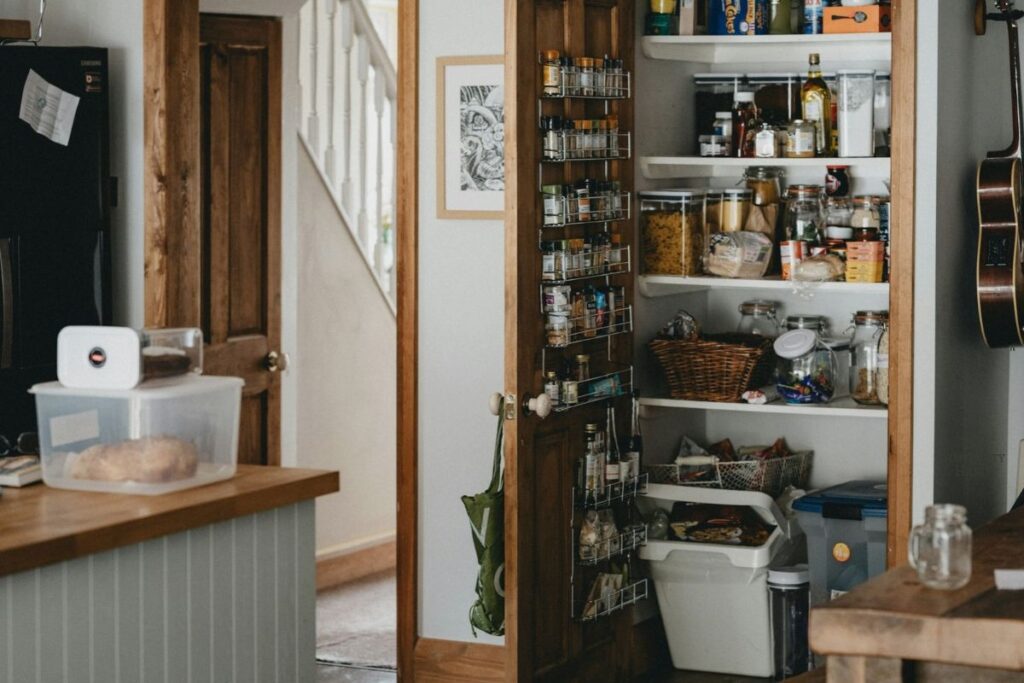
When the Pantry Space Itself Works Against You
If you notice a musty smell in pantry storage, checking the room itself gives you a useful starting point. Observe your space before deciding whether your containers need replacing.
As you inspect, look for stains on the ceiling or walls that could indicate water entry. Persistent odors or dampness may need professional assessment because condensation can resemble leak-related moisture, and a stain alone doesn’t establish a roof leak.
When considering how to keep a pantry dry, start with moisture sources and storage conditions. Addressing recurring dampness provides a better foundation for your organizing choices.
In a dry pantry, you can focus on making the shelves fit your groceries. Give olive oil bottles room to stand upright and place everyday food within comfortable reach, with heavy items in manageable positions.
Consider maximizing the vertical space in your closet with suitable shelving and enough clearance to lift things out easily.
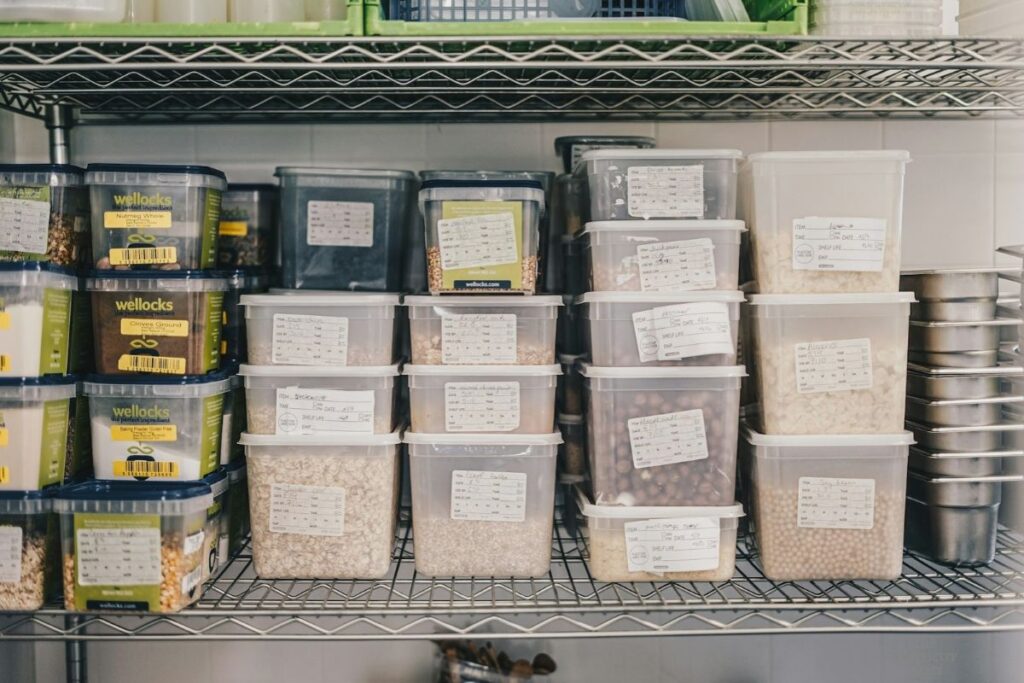
How to Judge if a Pantry System Will Hold Up
Once you’ve considered the spending, restocking work, packaging information and room conditions, you can judge what those choices mean for your daily routine. Give your setup an ordinary week, including a grocery trip and a few busy evenings, to see where it makes life easier.
Use these four tests to connect those trade-offs to how you actually use your pantry:
The 6 p.m. test: Can you find dinner ingredients when you’re tired, along with any cooking directions or allergen information you need? Check whether someone else can use the system and put things back just as easily.
The grocery run test: Can you put purchases away in an amount of time you’re happy to spend? Include washing and refilling containers, plus finding space for food that stays in its original bag, when deciding whether the upkeep feels worthwhile.
The flexibility test: Can your current containers and shelves accommodate bulk purchases, seasonal foods, or a change in diet? Leaving some space flexible gives you options without requiring another round of organizing purchases.
The environment test: Does the space stay dry and suitable for the food you keep there? If musty odors, dampness, or stains return, investigate those conditions before investing in more containers.
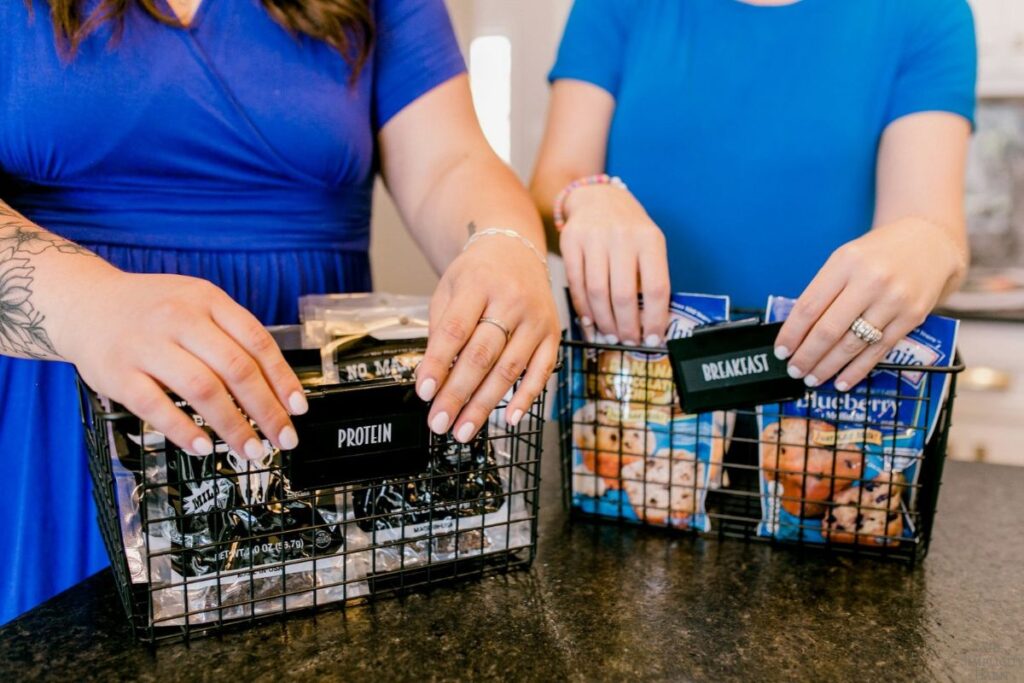
Design a Pantry for Your Lifestyle, Not Instagram
An effective pantry is tailored for your actual needs, whether that means matching jars, cereal boxes, or a mix of containers and clips. Tidy one shelf at a time, sort foods so you’re more likely to remember and use what you have, and note what works best next time you shop. A system that helps you get dinner started smoothly on any busy evening is the true measure of success.

What do you think about the influencer pantries you’ve seen online? Share your thoughts in the comments section below.
Sign up on the form below to get weekly decluttering tips and inspiration sent straight to your inbox. You’ll also get the free 5 Areas to Declutter in 10 Minutes Checklist to help you get started decluttering today.
Join the List
Stay up to date & receive the latest posts in your inbox.