
Grief & Decluttering: How to Sort Through Stuff After Loss, Divorce, or Chronic Illness
Inside: Learn about grief and decluttering, and how to sort through stuff after loss, divorce, or chronic illness.
A guest post by Rose Morrison
Sorting through personal belongings after a loss, divorce, or the onset of a chronic illness feels much different than an ordinary closet cleanup.
When objects carry the weight of shared memories, past identities, and physical changes, just holding them can bring overwhelming feelings of grief.
Learning how to declutter sentimental items takes a much different mindset than standard organizing advice can offer.
Be gentle with yourself as you follow this process. A roadmap can help you honor your feelings and move forward on your own terms.
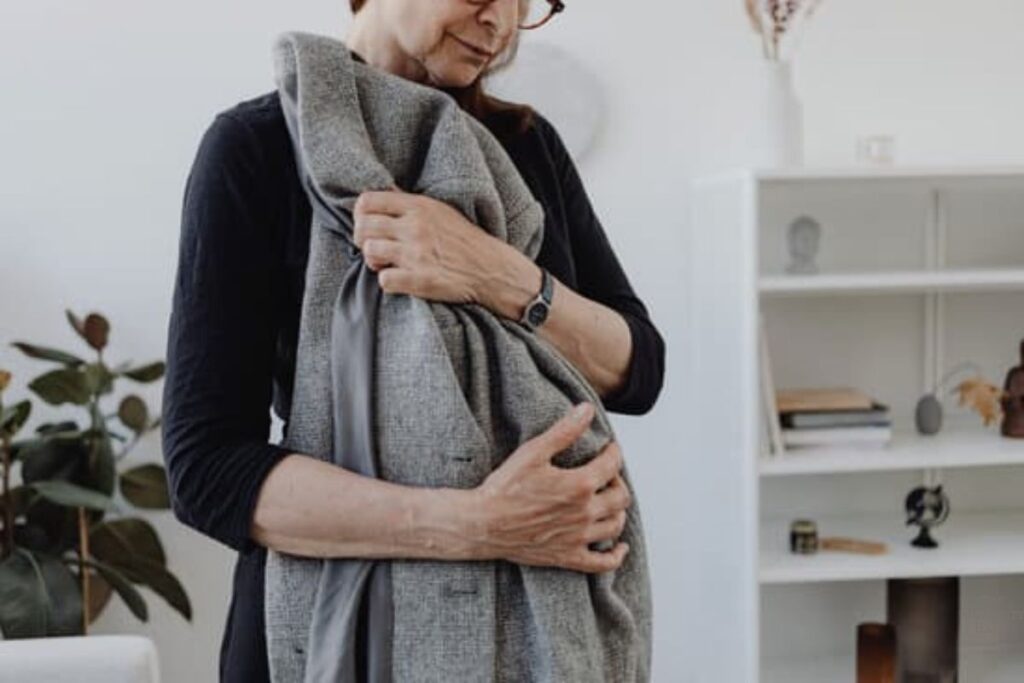
Grief & Decluttering: Why Sentimental Clutter Feels So Different
Everyday clutter, from junk mail to outgrown gadgets you bought on impulse, is much different than those sentimental items you hold so dear. Meaningful clutter belongs to a different emotional category because it’s anchored in your personal history.
An old coffee mug is more than just a ceramic object. It might represent slow Sunday mornings with someone you long for, a home you no longer share, or a season of your life when your health was in a very different state.
Releasing these objects can feel like severing the connection you held to them, or admitting that a chapter of your life has closed. Mainstream minimalism often promotes speed and radical transformations.
Popular frameworks tell you to hold each possession, determine if it brings delight, and discard without a second thought. While this fast-paced approach can work wonders for everyday clutter that accumulates over time, the theory falls apart when applied to grief.
Even logically structured organizing advice like the 12-12-12 method may not work for sorting through sentimental items. Forcing quick decisions on meaningful items during a major transition in your life can bring on decision fatigue, overwhelm, and regret.
When your life has been turned upside down, the last thing you need is an arbitrary timer telling you how quickly to part with pieces of your past.
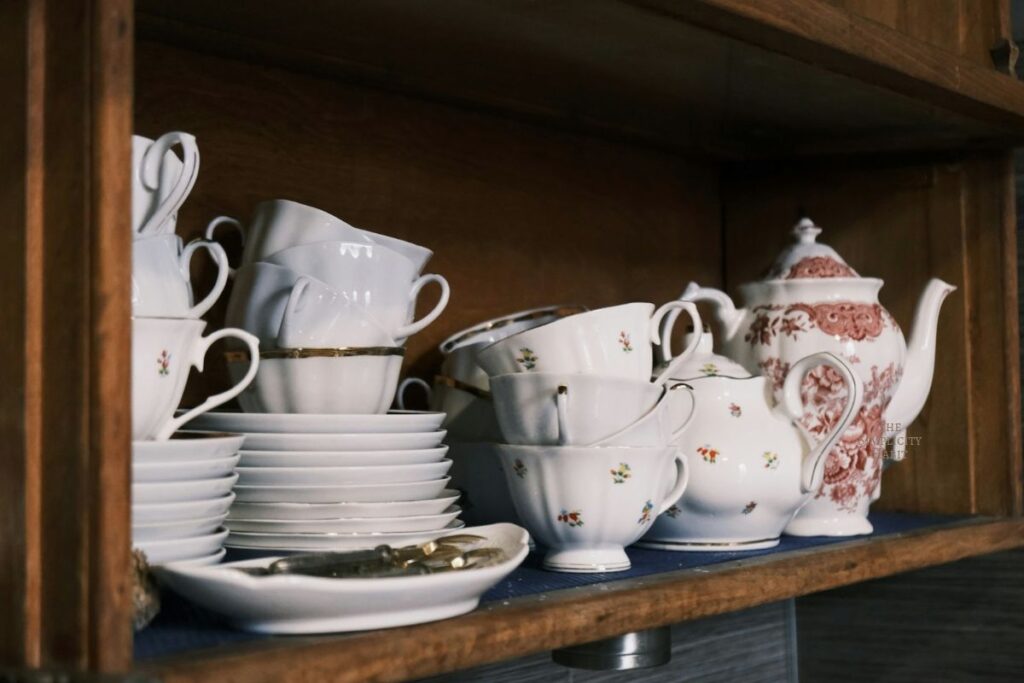
How to Let Go of Sentimental Items at Your Own Pace
You don’t have to decide the fate of your entire home in a single afternoon. Letting go of sentimental items starts with asking yourself questions and understanding the bonds keeping those items in place.
According to recent research on loneliness and clutter, people experiencing emotional isolation often form stronger attachments to possessions, viewing objects as extensions of their identities.
Rather than thinking about what you need to throw away, try shifting the question to how you’ll cultivate an environment that supports your current daily reality and choose what you fill that space with accordingly.

Grief & Decluttering: How to Declutter After a Death
Facing the possessions of someone who passed away takes immense strength, patience, and self-compassion.
Keep in mind that a cluttered space can quietly affect your mental health by increasing stress during an already fragile season. Easing into processing these excess items may restore some calm.
You can try to:
Start with utility items: Sort through expired medications, half-empty toiletries, pantry staples, and basic paperwork. Decluttering basic items can help you start slowly and build momentum that sustains you in your grief.
Curate a dedicated memory container: Instead of trying to keep everything, choose a decorative chest or storage box. Inside, place signature pieces that represent your loved one, such as a favorite watch, a handwritten recipe card, or a cozy cardigan.
Preserve memories through photography: If an item is too bulky to store or belongs to a category you can’t realistically keep, take a photograph of it. Create a dedicated digital photo album or print a memory book so you can revisit the memory whenever you wish.
Distribute heirlooms to family and friends: Offering meaningful pieces to close relatives, neighbors, or community organizations can bring comfort at this time. Knowing an item will be cherished by someone else can transform a painful decluttering process into an act of remembrance.
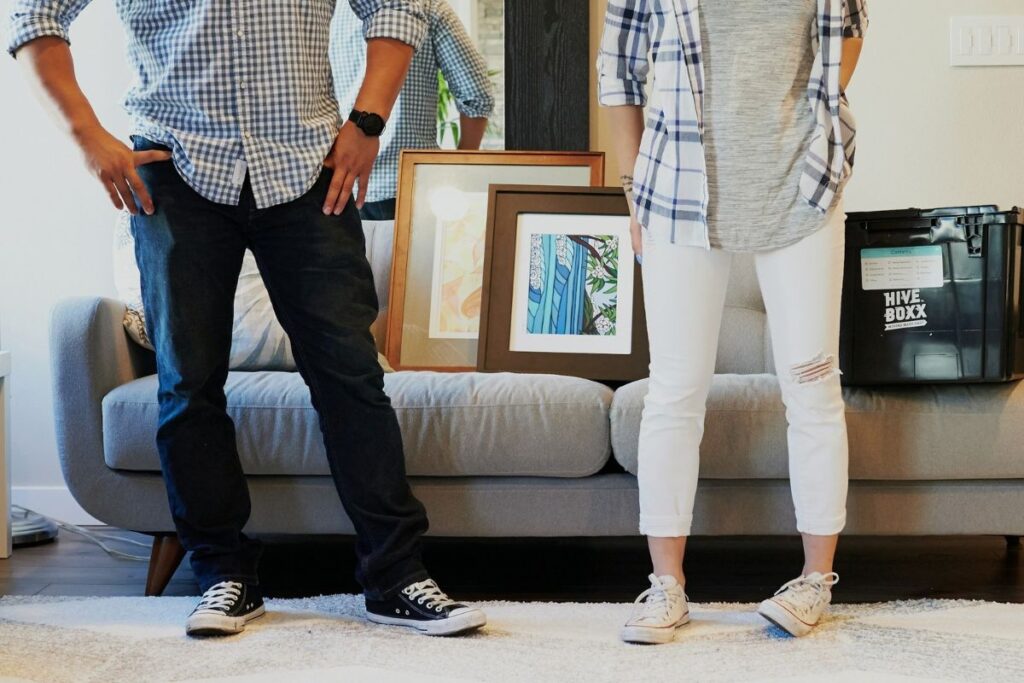
Grief & Decluttering: Decluttering After Divorce
A separation forces you to renegotiate the space you once shared with a partner. As you declutter, it can feel like establishing boundaries between your former relationship and your emerging personal identity.
You can focus on ways to:
Evaluate shared wedding items and gifts: Keeping registry appliances or framed wedding portraits may keep you emotionally anchored to an era that has ended. Donate items that trigger bittersweet or resentful memories and replace them with ones you choose on your own.
Reclaim your personal space: Rearrange furniture, hang artwork that reflects your individual aesthetic, and repaint walls in colors that bring you joy. Small physical changes like this can help reinforce that your home belongs to you and your future.
Establish a transition box: If deciding what to do with lingering photos, love letters, or travel souvenirs feels too painful, place them in an opaque tote. Seal the bag and keep it out of sight in a closet or attic to revisit when your emotions feel more grounded.
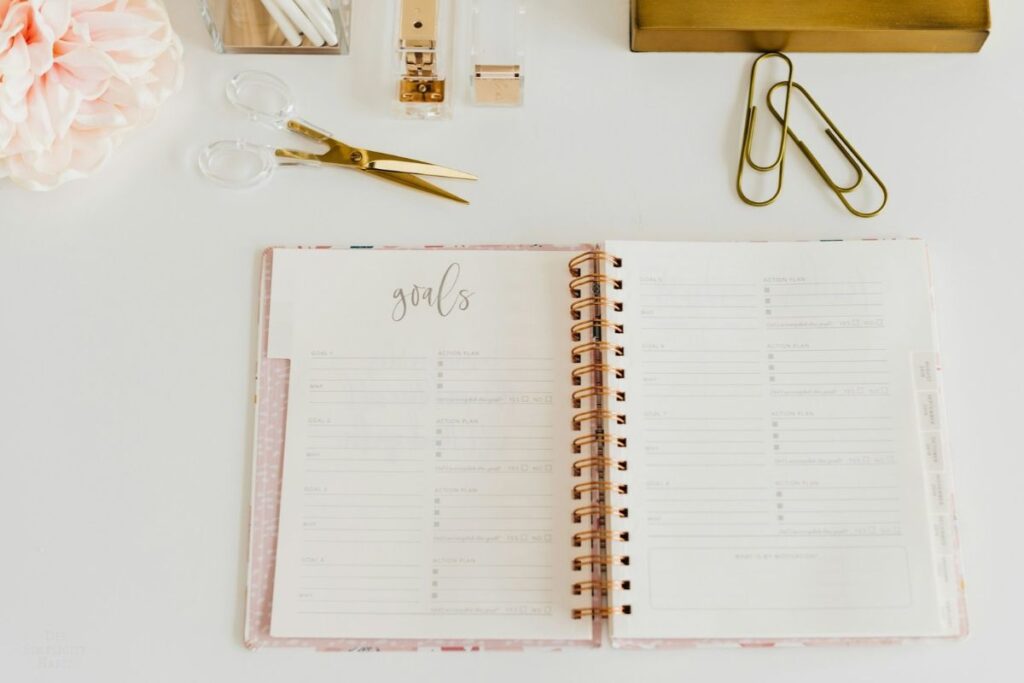
Give Yourself a Realistic Timeline
Grief stretches your emotional reserves thin, making your mental endurance feel far shorter than usual.
Sorting through sentimental belongings means making dozens of small, meaningful “keep or let go” decisions, and even professional movers acknowledge that this kind of repeated decision-making can be mentally exhausting, especially the more you do it.
Pace yourself the way you would a physical move and break large rooms into microprojects, like a single nightstand drawer or a specific closet shelf, working in short increments.
Give yourself plenty of time so you don’t feel rushed and every decision feels deliberate and peaceful.

When to Bring in a Trusted Helper
Sorting through emotionally charged belongings on your own can feel overwhelming, sometimes leading to a loop of reminiscing and hesitation. Bringing in someone you trust to ground you can help change the emotional dynamic.
Choose a supportive friend, a calm family member, or someone who has no personal stake in the items.
A great helper can hand you things one at a time, bring you water, and lend emotional support when needed. Most importantly, make sure your helper respects your autonomy by never pressuring you to discard anything before you’re ready.

How to Simplify When You’re Living With Chronic Illness
Decluttering while you have health challenges can feel overwhelming when your energy shifts from day to day. Simple tasks may feel much harder to accomplish, but there are ways to adapt your sorting routine and make the process a little easier on you.
You can take time each day or session to:
Honor your physical limits: Work in ten-minute blocks while sitting comfortably on the floor or in an ergonomic chair. Stop right away if you feel any fatigue and celebrate the small wins and progress you make rather than fixating on what’s unfinished.
Focus on high-friction areas: Extend your limited energy to the spaces that affect your comfort, such as the medicine cabinet, the kitchen counter, or the pathway beside your bed. Decluttering these daily obstacles can help you conserve your energy for healing.
Use easy-access storage: Swap out heavy lids for low-profile, open baskets, sliding pull-out shelves, and clear containers. Make storage easier, so your essential items are within arm’s reach.
Grief & Decluttering: You’re Allowed to Let Go, One Item at a Time
Letting go of physical items doesn’t mean you’re erasing memories from your heart or discounting a life you previously lived.
Your past lives in so much more than objects, and your remembrances live on within your heart and the stories you carry forward. By treating decluttering as a patient companion to your healing process, you create breathing room for peace and rest.
So, take a deep breath and start small. Trust that you can curate a home that honors your past while welcoming a bright new chapter.

What’s your experience been with grief & decluttering? Share your best tips in the comments section below.
Sign up on the form below to get weekly decluttering tips and inspiration sent straight to your inbox. You’ll also get the free 5 Areas to Declutter in 10 Minutes Checklist to help you get started decluttering today.

Thank you for this. My husband of 65 years died six months ago. I got very sick and postponed many post-death experiences, like his memorial. Then our son returned from abroad, a son we were estranged from. He helped with changes to the house that needed to be done. Solar, hemp insulation (long story), changing out a water heater, and the whole-house water filter. Massive changes that meant a lot of my husband’s things were moved prematurely. Things I wanted to keep just the way he left them. I miss that part of grieving. I’ve decided not to change anything for a few months to help me settle into this new role. A wife without the love of her life and a son whom she doesn’t know due to the 30 years apart. Too many changes. Too fast.
I lost my wife of 64 years a month ago. We’d known for a year that her illness (ESRD) would eventually do her in. We used that time for greater communication, sort of a new closeness, and I simply spoiled her that entire time. When the time came, (there was no doubt that it was near), we were both ready for it. My memories of 64 years of marriage are not tied to any material object. I had her wedding ring enlarged to fit around my own wider righ. I’ll alway have her with me in that way. Things like coffee mugs bearing her name, or her favorite jewelry are simply things to give away (to family first, of course), are simply ‘things.’ Perhaps we were fortunate to have a whole year to prepare. Her last days were ‘difficult,’ and prayed for her peaceful passing. My life advice to anyone is to not become attached to anything.
I have gone through grief decluttering, losing a spouse of 50 years, of downsizing from home to apartment. Now I am going through the .most difficult, nearing last years downsizing.
Iwant to make it easy for my children at my end of life. It’s totally the most difficult because it is those special small treasures you have hung on to.
They don’t mean anything to anyone, but you, so they go.
if you haven’t had them out to read or hold for many months or a year, then they go.
it is a totally different mind set, I can tell you that. and one that must be done alone.
Funny, I started with my walk-in closet, which is actually a store room for momentos. I took a break and saw your blog,what perfect timing! I have already done many things you suggested.
you could do another on the end of life sorting. I’m doing it while I’m healthy and sound enough to do so.
Keep writing. Your words are very supportive.
Sherry Klopf
It’s taken me four and a bit years to take my late husband’s suits and jackets to the charity shop. I still have many more items that I need to let go, but it is still very hard to deal with. Nothing is urgent. I have no immediate or close family to help me. I feel very alone in this world.
I lost my Dad suddenly a few days after seeing him for my younger son’s high school graduation. Walking into his house, it was clear that he hadn’t been able to keep up with his own clutter, and he hadn’t cleaned very much out after his second wife passed five years ago – I think due to his own grief. In a way, cleaning out Dad’s house gave me a purposeful way to deal with my own grief, because it was something that I could do to help him when he hadn’t been able to help himself. It also felt so good to give so many things away and see the impact we could have on neighbors in town. I did bring some things back with me, and I’m realizing how much of my own stuff I need to be paring down. I think that’s going to be much harder, but I’m determined to do it so that my kids can have an easier time of it.